
Table of Contents
How to Open a Lift Door When Stuck: An Expert Safety Guide
Understanding how to open a lift door when stuck safely prevents injuries and avoids catastrophic equipment failure during an unexpected entrapment. In our 15+ years of vertical transportation field experience across Telangana, we respond to hundreds of power trip and lock-out calls. Passenger safety depends entirely on maintaining composure inside the cabin while trained technicians or designated building caretakers execute a controlled manual rescue from the outside.
Never force elevator doors open from inside the cabin. Modern elevator systems incorporate double-interlock safety mechanisms designed to prevent doors from opening between floor landing zones. Forcing these panels damages door operator arms, jams mechanical linkages, and exposes passengers to open hoistway hazards.

What Is Elevator Emergency Release?
Elevator emergency release is a standardized mechanical protocol that allows authorized personnel to manually unlock landing doors using a specialized drop-release key (triangular or crescent key) or lower the elevator car to a floor level using a manual brake release mechanism inside the machine room during total power loss.
When an elevator stops unexpectedly between floors, safety brakes clamp onto the guide rails or the door lock circuit opens. The hoistway doors remain mechanically locked from the outside to prevent fall accidents into the open shaft. Releasing passengers requires zeroing out mechanical movement and confirming that the car rests inside an unlocked landing zone before opening outer doors.
Why Does Elevator Safety Matter in Hyderabad?
Hyderabad has witnessed rapid high-rise expansion across commercial hubs like Hitech City, Financial District, and Gachibowli, along with dense residential developments in Kondapur, Kukatpally, and Uppal. This rapid growth puts heavy demands on vertical transportation infrastructure. High ambient summer temperatures tax electronic inverter drives, while sudden monsoon power surges frequently trip building circuit breakers.
Data compiled by engineering teams at Exfol Friends Elevators Pvt. Ltd. shows that nearly 70% of passenger entrapment incidents in Hyderabad stem from unmaintained backup batteries in Automatic Rescue Devices (ARD) or improper door sensor alignment caused by dust accumulation. The Telangana Lifts Act and National Building Code (NBC 2016) mandate that building operators train facility personnel in emergency release protocols and maintain functional emergency lighting and intercommunication lines inside every shaft.
How to Open a Lift Door When Stuck: Step-by-Step Manual Rescue
Executing a safe manual elevator extraction requires strict adherence to sequential safety steps. Authorized technicians or trained facility managers must carry out these actions from outside the elevator car:
1.Establish Communication and Cut Main Power:Critical safety rule: Never attempt mechanical release with main power active.
Locate the main elevator circuit breaker inside the machine room or control cabinet and switch it off completely. Lock out the power isolator to prevent unexpected power restoration while technicians operate manual release mechanisms. Communicate calmly with passengers inside using the cabin intercom system to confirm that everyone is safe and standing clear of the doors.
2.Check Elevator Car Position:Verify landing zone position before attempting door opening.
Check the hoistway position indicators or look through the hoistway vision panel to determine if the elevator cabin rests within the floor landing zone (typically 300 mm above or below the floor level). If the car sits flush with the floor, proceed directly to landing door key release.
3.Manually Lower the Cabin (If Trapped Between Floors):Machine room operation required for mid-shaft stops.
If the car stops between floor levels, access the machine room or MRL control panel. Mount the manual brake release lever onto the traction machine motor. Carefully release the brake lever in short, controlled pulses while monitoring the flywheel or cable marking indicators until the cabin moves smoothly to the nearest floor level.
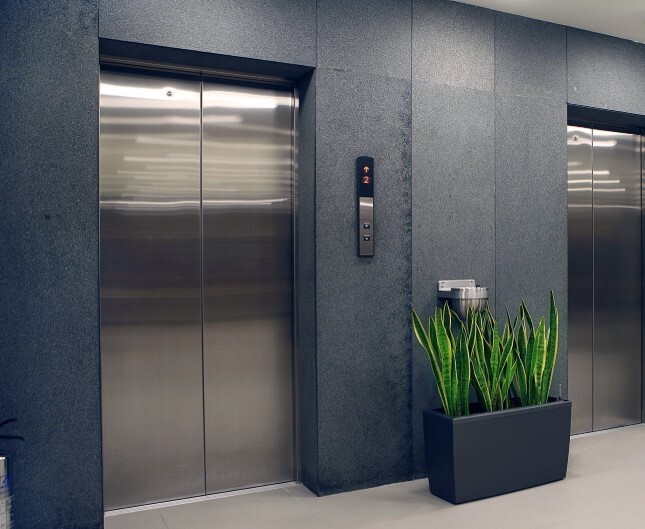
4.Locate the Emergency Key Hole on the Landing Door:Found at the top corner of the outer landing door frame.
Identify the small triangular or round release key hole positioned at the upper corner of the landing door frame on the floor where the car sits. Insert the certified elevator emergency drop key into the keyway slot.
5.Rotate the Emergency Key to Disengage Mechanical Interlock:Apply gentle rotational leverage.
Rotate the emergency key clockwise or counterclockwise (depending on door drive manufacturer design) until you feel the internal mechanical lock roller pull away from the latch hook. Maintain constant pressure on the key to keep the mechanical lock disengaged.
6.Manually Slide Open the Outer Landing Doors:Move panels slowly to maintain complete control.
While holding the emergency release key in its unlocked position, manually slide open the outer landing door panel by hand. The inner cabin door clutch will engage, sliding the cabin door open simultaneously if the car rests fully inside the landing zone.
7.Assist Passengers and Secure the Shaft:Keep landing doors closed after passenger extraction.
Assist trapped passengers out of the elevator cabin one by one. Once the cabin is clear, close the outer landing doors fully and verify that the mechanical lock snaps back into its secure closed position. Keep the main power breaker turned off until a certified service engineer inspects the unit.

Manual Rescue Methods Compared by Elevator Technology
Different elevator drive systems utilize distinct mechanical unlocking tools and manual movement procedures during emergency extractions:
| Elevator Drive Type | Emergency Unlocking Tool | Primary Movement Method | Required Rescue Location | Key Safety Precaution |
| Geared Traction Lifts | Drop Key / Triangular Key | Manual Winding Wheel & Brake Lever | Machine Room (Rooftop) | Hold brake open only in short, controlled pulses |
| Gearless MRL Traction Lifts | Mechanical Cable Release | Electrical ARD or Battery Brake Release | Overhead MRL Cabinet | Check cabin level indicators before opening doors |
| Hydraulic Passenger Lifts | Triangular Key / Valve Lever | Manual Down Valve Release Button | Hydraulic Controller Cabinet | Gravity lowers car; never force hydraulic pressure lines |
| Home Screw / Vacuum Lifts | Emergency Knob / Manual Dial | Backup Battery Down Button | Base Unit Controller | Verify secondary safety nuts before stepping inside |
- Geared Traction Systems: Require manual handwheel turning and mechanical brake lifter operation inside a dedicated rooftop machine room.
- Gearless MRL Systems: Rely on battery-operated brake release modules housed inside a slim corridor cabinet next to the top landing door.
- Hydraulic Systems: Feature a simple red manual valve lever on the hydraulic pump pack that bleeds oil back into the reservoir to lower the car by gravity.
Benefits of Certified Emergency Training and Proper Equipment
Investing in proper elevator maintenance, automatic rescue upgrades, and staff safety training provides measurable operational benefits for property management:
- Preventing Fatal Hoistway Accidents: Strict adherence to emergency key procedures ensures doors never open when an elevator car sits mid-shaft, eliminating open fall risks.
- Protecting Expensive Door Operators: Forcing door panels damages delicate belt drives, door clutch assemblies, and VVVF drive boards, resulting in high repair bills.
- Ensuring Statutory Regulatory Compliance: Maintaining functional emergency keys, trained rescue personnel, and updated ARD battery systems fulfills mandatory requirements under Bureau of Indian Standards (BIS IS 15785).
- Enhancing Occupant Peace of Mind: Demonstrating clear rescue protocols builds tenant trust across high-density residential and commercial complexes in Hyderabad.
What Are Common Misconceptions About Lift Entrapment?
The most common misconception about elevator entrapment is that trapped passengers will run out of oxygen inside the shaft. Elevator hoistways feature active upper vent shafts and cabin louvers designed to supply continuous fresh air. Oxygen levels inside a stalled elevator car remain safe indefinitely.
                   [Common Elevator Entrapment Myths]
                                   │
       ┌───────────────────────────┼───────────────────────────┐
       ▼                           ▼                           ▼
[Myth: Air Will Run Out]   [Myth: Elevator Will Freefall]  [Myth: Pry Doors Open]
 Fact: Open ventilation     Fact: Governor safety shoes     Fact: Mechanical locks
 slots maintain airflow.    clamp rails mechanically.      jam drive operators.
Another widespread myth holds that a trapped elevator car can fall freely if power cuts out suddenly. All modern elevators installed across India feature mechanical overspeed governors and counterweight safety gear. If a car exceeds its rated speed, spring-loaded steel safety wedges drive directly into the solid guide rails, locking the car mechanically without requiring electrical power.
Real-World Rescue Scenarios in Hyderabad Buildings
Scenario 1: Residential Apartment Block in Kukatpally
During a heavy monsoon storm, a G+5 apartment building in Kukatpally suffered a sudden three-phase power line drop. The elevator’s aging Automatic Rescue Device failed due to an expired battery bank, stranding two residents between the 3rd and 4th floors.
The building caretaker attempted to pry open the 3rd-floor landing door using a screwdriver, bent the door operator clutch, and jammed the mechanism. A field response team from an engineering specialist was dispatched to isolate main power, manually operate the gearless brake release module inside the MRL cabinet to drop the car 0.4 meters to the 3rd-floor landing zone, and open the doors using a certified triangular key. Replacing the ARD battery bank restored normal emergency operation.
Scenario 2: Commercial Office Tower in Gachibowli
A commercial high-rise in Gachibowli experienced an inverter trip on a 13-passenger high-speed traction elevator during peak evening traffic. The unit stopped precisely at the 6th-floor landing, but the outer door interlock failed to disengage electronically.
The facility management team followed established protocol: they switched off the main breaker panel, inserted a standard drop key into the 6th-floor landing door header, manually unlocked the interlock roller, and safely evacuated all passengers within eight minutes of the initial alert.
Frequently Asked Questions
1. How to open a lift door when stuck from the inside?
You should never attempt to open a lift door from inside the cabin. Call for help using the emergency alarm button, cabin intercom, or mobile phone, and wait for trained personnel to open the door from the outside using an emergency key.
2. Can passengers run out of air inside a stuck elevator?
No. Elevators are constructed with open ventilation slots, exhaust fans, and hoistway vents that ensure continuous passive airflow. Oxygen levels inside a trapped elevator car remain safe.
3. What tool is used to open a stuck elevator door from the outside?
Authorized technicians use a standardized elevator emergency release key—typically a triangular drop key or crescent key—inserted into the upper keyway of the outer landing door frame.
4. What should I do immediately if the elevator stops between floors?
Press the yellow emergency alarm button or use the cabin intercom to alert building security. Stay calm, stand near the back wall, and wait for authorized rescue personnel to respond.
5. Why do elevator doors lock automatically when stopped between floors?
Elevator doors lock mechanically to prevent passengers from stepping out into an open hoistway shaft, which carries a severe risk of falling.
6. What is an Automatic Rescue Device (ARD) in an elevator?
An ARD is a battery-backed secondary power module that automatically senses grid power failures, unlocks the motor brake, and drives the cabin to the nearest landing floor to open the doors automatically.
7. Who is authorized to use an elevator emergency release key in Telangana?
Only certified elevator technicians, trained facility managers, or emergency fire rescue personnel who have completed field safety training should operate emergency release keys.
8. How often should ARD backup batteries be inspected?
ARD battery banks must undergo functional testing during routine monthly maintenance visits and require complete replacement every 18 to 24 months to ensure reliable operation.

Maintaining Safe Elevator Operations in Hyderabad
Understanding how to open a lift door when stuck highlights the critical importance of emergency readiness, certified maintenance, and clear safety protocols. Forcing elevator doors damages critical door operators and creates severe safety risks. Relying on trained personnel, functional Automatic Rescue Devices, and routine maintenance keeps vertical transportation systems operating safely across Telangana.
For technical safety audits, ARD battery health checks, or emergency rescue training for your building staff in Hyderabad, consult the certified engineering team at:
Reach out to local vertical transportation experts today to schedule a comprehensive shaft safety audit, upgrade aging emergency rescue systems, and ensure your building complies fully with state safety regulations.


Leave a Comment