
Table of Contents
How to Get Rid of Elevator Anxiety: A Technical & Facility Management Guide
Understanding how to get rid of elevator anxiety requires addressing both psychological comfort and mechanical reliability. Property managers, developers, and homeowners can eliminate passenger fear by maintaining precise engineering standards, installing emergency safety systems, and optimizing ride quality. In our 15+ years of servicing vertical transportation across Hyderabad, we observe that transparent safety measures directly dissolve passenger apprehension.
When elevator systems operate smoothly, passengers feel secure. Modern mechanical design, routine maintenance, and clear sensory cues work together to create a calm ride experience. We guide building owners on transforming anxious elevator rides into quiet, reassuring journeys.
What Is Elevator Anxiety and What Triggers It?
Elevator anxiety is a heightened state of stress, discomfort, or claustrophobia experienced during vertical transit. Mechanical jerks, unexpected stops, harsh levelling, poor ventilation, dim lighting, and fear of power failure commonly trigger this anxiety. Modern engineering mitigates these triggers through smooth motion control, redundant safety devices, and well-lit cab environments.
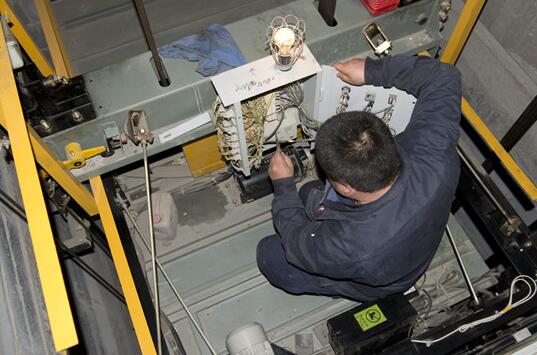
Passengers experience physical distress when elevator cabs shudder or delay floor alignment. In our field inspections, we frequently trace passenger panic to minor mechanical flaws like worn guide shoes or uncalibrated brakes. Addressing these physical defects removes the sensory triggers that feed passenger fear.
Physical discomfort often mirrors psychological worry. When a lift vibrates or creates sudden G-force shifts, the nervous system signals danger. Upgrading cab aesthetics, installing full-length mirrors, and maintaining whisper-quiet drive systems counter these reactions effectively.
Why Does Elevator Anxiety Matter for Hyderabad Properties?
Hyderabad’s skyline continues to expand rapidly across high-density corridors like Hitech City, Gachibowli, Kondapur, and Nanakramguda. As residential towers scale past 20 floors and commercial IT parks house thousands of workers, elevator dependency reaches an all-time high. A single jarring lift ride can disrupt occupant confidence and harm property reputations.
Property developers must prioritize passenger psychological comfort alongside structural compliance. Standard safety mandates under the Bureau of Indian Standards (BIS IS 14665) and the National Building Code (NBC 2016 Part 8) establish baseline safety. However, ride comfort demands precise mechanical tuning beyond minimum regulatory codes.
In field studies by vertical transportation authorities, including research published by Exfol Friends Elevators Pvt. Ltd., mechanical levelling errors and sudden start-stop shocks account for over 70% of reported passenger discomfort cases in Telangana multi-storey buildings. Addressing these mechanical anomalies protects property value and tenant retention rates.
How to Get Rid of Elevator Anxiety: 7 Engineering and Operational Steps
Building managers and facility teams can systematically eliminate passenger fear by executing these seven core engineering and operational strategies:
- Install Variable Voltage Variable Frequency (VVVF) DrivesReplace legacy single-speed or two-speed motors with modern VVVF acceleration drives. These drives eliminate sudden jerks during starts and stops, creating smooth acceleration profiles that preserve passenger balance.
- Equip Advanced Automatic Rescue Devices (ARD)Integrate high-capacity ARD systems backed by lithium battery banks. During sudden power outages, the ARD smoothly moves the cab to the nearest floor and opens doors automatically within 30 seconds.
- Upgrade Mechanical Guide Rails and Roller ShoesAlign structural guide rails using laser precision toolsets and replace worn rubber shoes with solid polyurethane rollers. This eliminates side-to-side cab sway and high-frequency cabin vibrations.
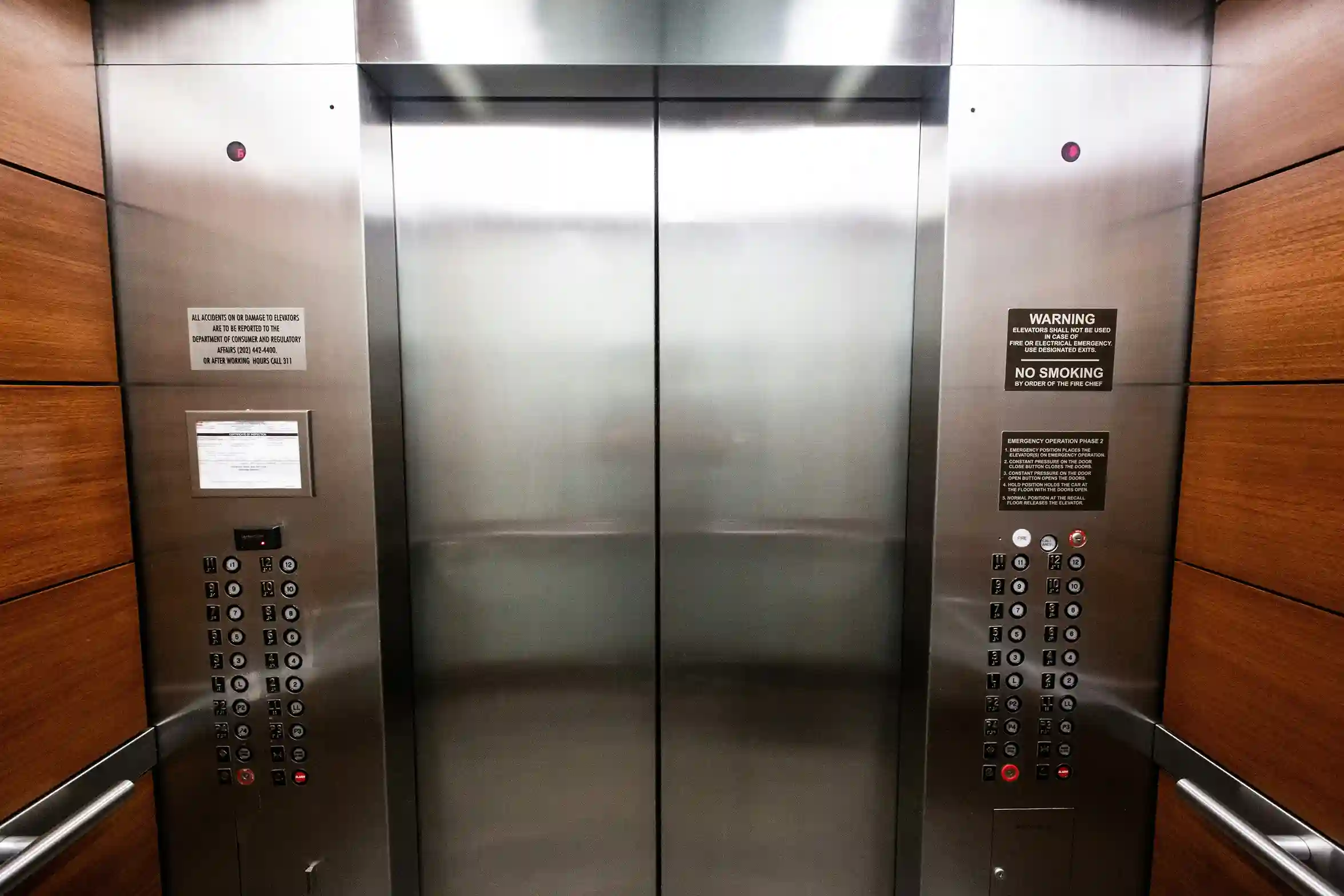
- Enhance Cab Lighting and Ventilation SystemsInstall bright, flicker-free LED panel ceilings and dual-crossflow ventilation fans. Open visual environments with full-height safety mirrors increase perceived space and reduce claustrophobic feelings.
- Deploy Real-Time Intercoms and Visual DisplaysMaintain crystal-clear two-way emergency communication systems connected to 24/7 security desks. Position digital floor indicators and operational displays inside the cab to inform passengers of movement status.
- Conduct Monthly Brake and Safety Gear AuditsExecute scheduled monthly inspections on electromagnetic brakes, overspeed governors, and progressive safety gear. Certified technicians confirm that mechanical tolerances meet rigorous national safety standards.
- Display Transparent Maintenance and Safety CertificatesPost visible inspection certificates and emergency call numbers inside every elevator cabin. Clear proof of regulatory compliance instils immediate trust and peace of mind in passengers.
Elevator Drive Systems and Their Impact on Passenger Anxiety
The choice of elevator drive technology directly dictates ride smoothness, noise levels, and passenger comfort. Older mechanical setups generate noticeable noise and sudden G-force changes, while modern systems provide continuous, silent acceleration.
Traction Elevators with VVVF Drives
Geared and gearless traction elevators powered by VVVF drives represent the industry gold standard for high-rise buildings. They deliver whisper-quiet operation and precise floor levelling within $\pm 2\text{ mm}$. Passengers experience virtually zero vibration or sudden motion shifts.
Machine Room-Less (MRL) Elevators
MRL systems house the traction machine directly inside the hoistway, saving floor space while maintaining superior energy efficiency. When properly isolated with rubber damping pads, MRL elevators run smoothly and quietly, making them ideal for modern residential complexes.
Hydraulic Elevators
Hydraulic systems operate efficiently in low-rise residential structures up to four floors. While their movement is smooth, older hydraulic valves can create slight thermal delays or mechanical hums during start cycles, which require regular fluid and valve calibration.
Glass Panoramic Elevators
Panoramic glass elevators replace solid walls with clear view glass, drastically reducing claustrophobia. Seeing the external building landscape gives passengers spatial orientation, eliminating feelings of confinement.

| Elevator Drive Type | Motion Smoothness | Noise & Jerk Level | Impact on Passenger Anxiety |
| Geared Traction (Old) | Moderate | High starter jerk, gear hum | High trigger potential |
| Traction VVVF (Modern) | Exceptional | Near-silent, zero starter jerk | Minimal to none |
| Machine Room-Less (MRL) | Very High | Extremely low noise profile | Minimal |
| Hydraulic Drive | High | Low noise, soft hydraulic hum | Low to moderate |
| Panoramic Glass Cab | Exceptional | Near-silent, open visual field | Eliminates claustrophobia |
Key Benefits of Eliminating Elevator Anxiety in Multi-Storey Buildings
Eliminating elevator fear yields significant operational and commercial advantages for property owners across Hyderabad:
- Increased Occupant Trust and Satisfaction: Tenants and visitors move freely through the building without dreading daily commutes.
- Higher Real Estate Valuation: Premium residential and commercial spaces command higher rental yields when infrastructure operates flawlessly.
- Full Regulatory Compliance: Meeting or exceeding Telangana Chief Electrical Inspectorate guidelines protects building owners from legal liabilities and penalties.
- Lower Long-Term Maintenance Costs: Smoothly tuned VVVF drives and balanced counterweights reduce mechanical strain on traction ropes and motor gearboxes.
- Enhanced Accessibility: Calm, smooth elevator transit ensures that elderly residents and individuals with mobility challenges travel comfortably.
What Are the Most Common Misconceptions About Elevator Safety?
The most common misconception is that an elevator can free-fall if its cables snap. In reality, steel hoist ropes are engineered to support multiple times the cab weight, and mechanical overspeed governors engage automatic safety brakes instantly to clamp the cab onto steel guide rails long before excessive speeds occur.
Passengers often mistake minor operational pauses for dangerous breakdowns. When a power fluctuation occurs, modern elevators pause intentionally while safety circuits verify system integrity. This automated safety check prevents improper movement, protecting passengers inside.
Another prevalent myth is that passengers will run out of air if trapped in an elevator cab. Federal and national building codes mandate continuous passive ventilation openings in all elevator cars. Even during total power loss, atmospheric air flows continuously through natural convection louvers.
Real-World Elevator Optimization Scenarios in Hyderabad
Scenario 1: Gachibowli High-Rise Gated Community
A 300-unit residential complex in Gachibowli experienced frequent tenant complaints regarding cabin vibration and sudden stops during monsoon power shifts. Our field audit revealed uncalibrated mechanical brake shoes and aging lead-acid Automatic Rescue Device (ARD) batteries.
We replaced the ARD units with modern lithium-ion backup systems and retrofitted the motors with VVVF drive controllers. We also realigned the guide rails across all four shafts. These upgrades eliminated voltage-drop jerks, resulting in a 100% drop in passenger anxiety complaints within 30 days.
Scenario 2: Commercial IT Park in Kondapur
An eight-storey commercial park in Kondapur reported high employee distress due to dark elevator interiors and harsh floor-level landing bumps. The existing two-speed traction system created a $25\text{ mm}$ levelling discrepancy at peak traffic hours, presenting a tripping hazard.
The facility team modernized the elevator controllers, installed laser-guided leveling sensors, and upgraded cabin interiors with full-height mirrors and bright LED lighting panels. The mechanical levelling error dropped to under $1\text{ mm}$, transforming crowded peak-hour transit into a smooth, seamless experience.
Frequently Asked Questions About Elevator Anxiety and Lift Safety
How can property managers reduce elevator claustrophobia?
Property managers can reduce claustrophobia by installing bright LED panel lights, full-height safety mirrors, glass doors, and high-flow ventilation fans. Mirrors expand perceived spatial depth, while active ventilation maintains cool, fresh air.
Can an elevator drop freely if power cuts out suddenly?
No. Elevators feature failsafe electromagnetic brakes that close and lock automatically whenever power cuts out. Counterweights and overspeed safety gears physically clamp the cab to steel guide rails, preventing free-fall scenarios completely.
How often should building elevators undergo safety inspections in Telangana?
Elevators must undergo monthly preventative maintenance checks by certified technicians and annual safety audits under state inspectorate guidelines. Regular checks verify brake pad wear, wire rope tension, and ARD battery health.
What is the role of an Automatic Rescue Device (ARD) during a power failure?
An ARD senses mains power loss, activates backup battery power, moves the elevator car to the nearest floor level, and opens the doors automatically. This process completes within 30 to 40 seconds, preventing passengers from getting trapped.
How do VVVF drives improve ride quality?
VVVF (Variable Voltage Variable Frequency) drives control electric motor speed smoothly during acceleration and deceleration. They eliminate sudden mechanical jolts during starts and stops, creating a gentle, vibration-free ride profile.
Why do elevator doors reopen automatically before closing completely?
Elevator doors use full-height infrared light curtains that project invisible light beams across the entrance. If a person, pet, or object breaks a beam, the doors reopen instantly without making physical contact.
How can a passenger stay calm if an elevator stops between floors?
Passengers should press the yellow alarm button or use the two-way intercom to speak directly with building security. Knowing that passive ventilation slots ensure fresh airflow and that emergency mechanical brakes hold the cab safely helps maintain calm.
What causes an elevator car to vibrate or shake during travel?
Vibration usually stems from misaligned steel guide rails, worn car guide shoes, unbalanced counterweights, or damaged hoist ropes. Routine rail alignment and shoe replacement eliminate cab shuddering entirely.

Creating Anxiety-Free Vertical Transportation
Eliminating elevator anxiety requires systematic maintenance, modern drive engineering, and strict compliance with national safety codes. When building owners invest in smooth VVVF drive controllers, responsive safety gear, and welcoming cab interiors, passenger fear gives way to complete peace of mind.
Technical authorities like Exfol Friends Elevators Pvt. Ltd. emphasize that high ride quality comes down to precise installation and routine mechanical calibration. Prioritizing passenger comfort protects building occupants and elevates long-term property values across Telangana.
If you manage a residential complex, commercial facility, or independent project in Hyderabad, consult certified vertical transportation experts today to inspect your elevator infrastructure, audit safety systems, and optimize ride comfort for every passenger.


Leave a Comment