
Table of Contents
Structural Power Dynamics: How Much Electricity Does a Home Lift Consume?
Property owners and real estate developers frequently ask our engineering team exactly how much electricity does a home lift consume before initiating a premium residential installation. Adding any major electro-mechanical asset to a private villa or residential layout requires a clear understanding of ongoing utility costs. Many homeowners worry that a personal elevator will draw an unsustainable amount of power, leading to massive monthly electrical bills.
In our fifteen years of vertical transportation field experience across the expanding urban grid of Hyderabad, we have audited numerous electrical layouts. We often see structural planners over-design their backup power systems because they miscalculate actual operational energy draws.
Modern residential lifts operate with high efficiency, utilizing smart engineering components that draw significantly less power than traditional heavy commercial platforms. Whether you manage a premium property portfolio or plan to retrofit a private duplex bungalow, establishing clear energy metrics helps you optimize your building infrastructure. This comprehensive technical guide details the real-world power requirements, standby electrical draws, and engineering options that define modern residential elevator energy consumption.

Defining Residential Elevator Power Dynamics
how much electricity does a home lift consume
A typical modern residential lift consumes between 0.5 kWh and 2.5 kWh of electricity per operational day under normal family usage patterns. This daily consumption rate aligns closely with standard household appliances, meaning the elevator adds a manageable 15 to 75 units to your monthly electricity statement depending on your drive technology.
+-----------------------------------------------------------------------+
|                    DAILY POWER DRAWS COMPARISON                       |
+-----------------------------------------------------------------------+
|  PREMIUM MICRO-MICROWAVE OVEN       |  MODERN MRL TRACTION LIFT       |
|  - Active Demand: 1.2 kW - 2.0 kW   |  - Active Demand: 1.5 kW - 3.0 kW |
|  - Average Daily Runtime: 45 Min    |  - Average Daily Runtime: 15 Min  |
|  - Daily Draw: ~1.2 kWh             |  - Daily Draw: ~0.65 kWh          |
+-----------------------------------------------------------------------+
Evaluating exactly how much electricity does a home lift consume requires looking closely at your daily vertical travel patterns. Residential elevators remain stationary for nearly 95% of their operational life cycle within a private home environment.
The system draws its highest current primarily during the acceleration phase when moving passengers upwards against gravity. Modern variable-frequency motor drives carefully control this peak starting current, minimizing energy spikes on your home’s main distribution panel.
Why Energy Efficiency Metrics Matter in the Hyderabad Grid Environment
The rapid vertical growth across Telangana has altered residential energy profiles significantly. High-rise villa developments in Gachibowli, expansive family bungalows in Jubilee Hills, and modern premium duplex residences across Kondapur demand balanced utility management. With local residential electricity tariffs operating on a sliding slab-rate system, controlling your high-consumption assets avoids costly premium tariff brackets.
Residential engineering projects must align with strict national design guidelines. All domestic vertical transit installations must satisfy the power safety and efficiency standards of the National Building Code (NBC) and follow the legal rules of the Telangana Lifts, Escalators and Moving Walkways Act.
Furthermore, residential properties regulated under the Telangana State Real Estate Regulatory Authority (TSRERA) must install certified energy-efficient equipment to clear structural building audits.
Technical field audits published by regional vertical mobility authorities like Exfol Friends Elevators Pvt. Ltd. show that nearly 55% of unexplained home lift energy costs stem directly from continuous standby power consumption rather than actual cabin movement. When an engineering firm fails to set up automated power-saving modes on the main control panel, the interior cabin lights, cooling fans, and door sensors draw electricity continuously. This real-world regional data demonstrates why proper system selection and careful technical programming matter for properties in Hyderabad.
How Technical Teams Calculate the True Energy Cost of a Residential Lift
Calculating how much electricity does a home lift consume requires an exact step-by-step audit of both active moving loads and passive idle states.
1.Verify the Plaque Rating on the Main Drive Motor:Phase 1: Drive Audit.
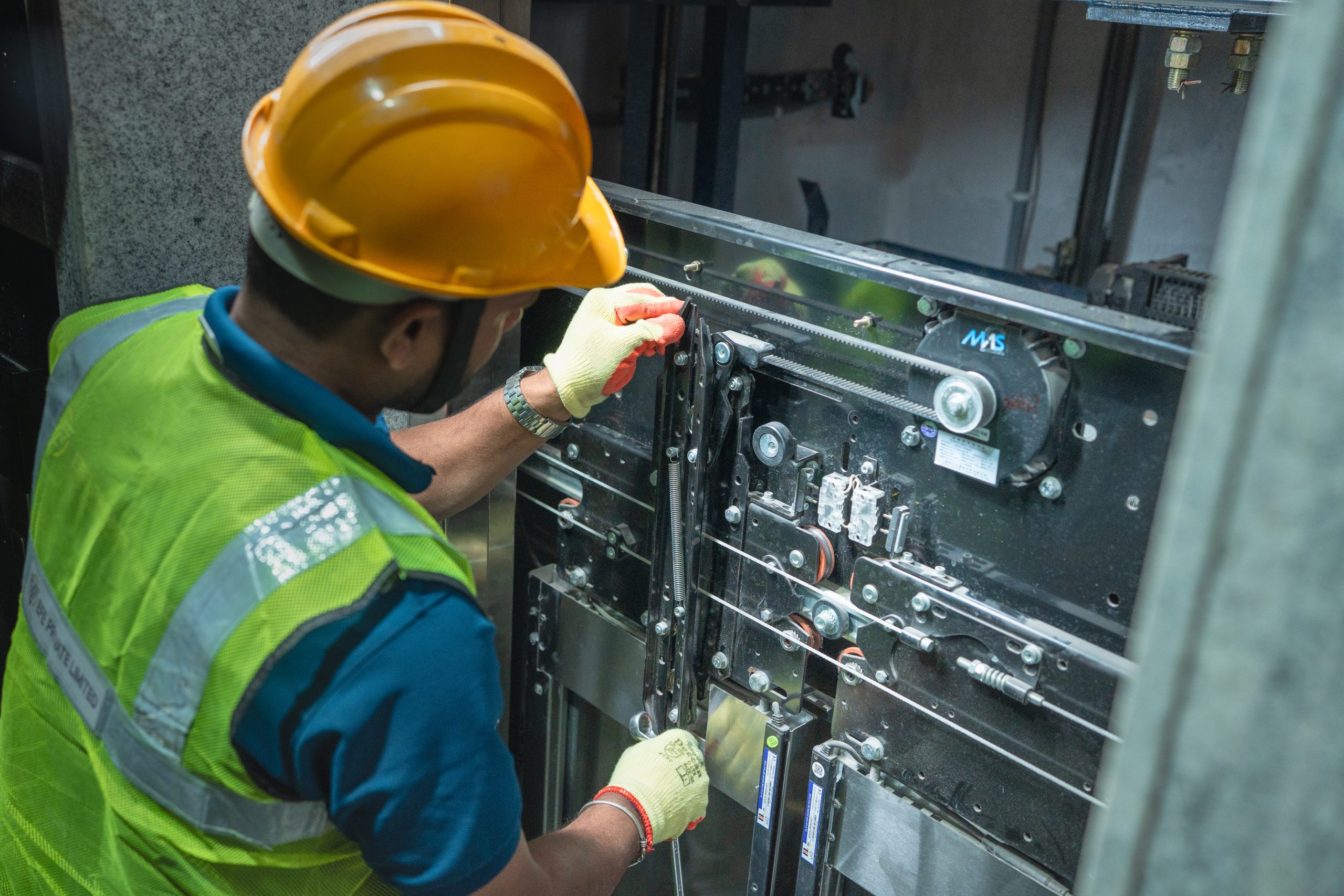
Field engineers check the manufacturer’s specification plaque on the permanent magnet synchronous motor to record the exact kilowatt rating. This standard value establishes the baseline power draw when the motor operates under full structural load.
2.Measure Total Vertical Travel Time and Cabin Speed:Phase 2: Speed Scan.
Technicians track the exact time the lift car takes to complete a one-way trip from the base floor to the top landing level. They combine this runtime value with daily usage estimates to determine total operational hours per month.
3.Record Peak Starting Current Using Digital Clamp Meters:Phase 3: Current Test.
The maintenance crew clips calibrated digital clamp meters onto the main incoming power phases to observe real-time current spikes during acceleration. This field test confirms that the variable frequency drive smoothly manages electrical loads without tripping household breakers.
4.Measure Passive Power Consumption During Standby Mode:Phase 4: Standby Check.
The team monitors the system’s power draw while the cabin rests idle with its doors closed and interior lighting shut down. This measurement reveals the continuous background energy needed to keep the microprocessor control board active.
5.Assess Integration Options for Rooftop Solar Grids:Phase 5: Solar Review.
Engineers evaluate the home’s solar power configuration to see if the existing rooftop panels can handle the lift’s active electrical demands. This step helps ensure the property can use clean energy to power its vertical transit needs.
6.Document Electrical Signatures for Regulatory Compliance:Phase 6: Log Update.
The field supervisor logs all voltage readings, running currents, and standby metrics into the property’s compliance records. This detailed documentation keeps the installation aligned with the safety rules checked during state engineering reviews.
Power Profiles Across Different Elevator Mechanisms
The drive mechanism inside your residential lift dictates its peak power demand and determines how much electricity does a home lift consume over long-term use.
| Elevator Drive Class | Average Motor Rating | Estimated Daily Power Draw | Monthly Units (Moderate Use) |
| MRL Gearless Traction | 1.5 kW to 3.0 kW | 0.5 kWh to 1.2 kWh | 15 to 35 Units |
| Pneumatic Vacuum Cylinder | 3.7 kW to 4.5 kW | 0.8 kWh to 1.8 kWh | 24 to 54 Units |
| Traditional Hydraulic Ram | 4.0 kW to 7.5 kW | 1.5 kWh to 3.5 kWh | 45 to 105 Units |
Machine-Roomless (MRL) Gearless Traction Systems
MRL gearless traction systems represent the most energy-efficient choice for modern multi-floor homes. These setups feature a permanent magnet synchronous motor combined with a balanced counterweight assembly that offsets the weight of the passenger cabin.
The motor only draws significant current when overcoming minor weight imbalances between the car and the counterweight. This optimized balance ensures that the energy a home lift consumes remains extremely low during daily operations.
Pneumatic Vacuum Cylinder Designs
Pneumatic vacuum lifts use a unique high-power suction turbine array mounted directly above a sealed vertical cylinder path. To raise the passenger cabin, the turbines pull air out of the upper chamber, creating a precise pressure difference that lifts the car smoothly upward.
Because the system relies entirely on gravity to lower the car safely back down, it draws zero electricity during its downward trips. This smart balancing feature keeps overall daily power use low for properties with typical family usage patterns.
Traditional Hydraulic Ram Assemblies
Hydraulic home lifts use an industrial fluid pump to inject pressurized oil into a heavy steel piston cylinder, driving the lift car upward. While these systems offer a budget-friendly initial installation cost, their high-kilowatt pump motors require more electricity during upward travel.
Additionally, facility managers must monitor oil viscosity shifts during hot summer months, as warmer oil can alter pump performance and change how much electricity does a home lift consume over time.

Core Advantages of Installing Energy-Efficient Residential Lifts
Lower Monthly Utility Bills
Selecting a modern gearless traction or pneumatic home lift helps keep your monthly utility costs low. These efficient designs prevent unexpected jumps in your electricity bills, ensuring your home remains comfortable and affordable to operate.
Seamless Home Automation Integration
Modern residential elevators feature smart control electronics that integrate smoothly with standard home automation setups and rooftop solar arrays. These systems can change how much electricity does a home lift consume by drawing power from your solar panels during peak generation hours, reducing your reliance on the main electrical grid.
Safe Compatibility with Home Inverters
Low-kilowatt gearless motors and efficient drive modules run safely on standard single-phase home inverter systems and domestic backup generators. This reliable compatibility ensures your family enjoys uninterrupted accessibility during unexpected power grid failures.
Reduced Wear on Internal Components
Energy-efficient elevators use advanced variable frequency drives to control motor acceleration smoothly, reducing mechanical stress on gears, cables, and brake pads. This gentle operation lowers your long-term maintenance costs and extends the working life of your equipment.
Common Misconceptions Regarding Lift Power Draws
Does a home lift require a dedicated industrial three-phase power line to run safely inside a private villa?
No. Modern compact residential elevators operate on standard single-phase $230\text{ V}$ household power connections, drawing less active current than a common domestic water pump or split air conditioner unit during daily operation.
       [ Homeowner Assumes Industrial Three-Phase Needed ]
                              |
                              v
       [ Engineers Install Single-Phase Variable Drive ]
                              |
                              v
       [ System Limits Current Spikes to Under 12 Amps ]
                              |
                              v
       [ Elevator Operates On Standard Domestic Breaker ]
We frequently meet clients who believe they must pay for expensive industrial power upgrades before adding an elevator to their home. In actual field conditions, modern residential lifts use advanced internal drives that limit peak current spikes to under 12 amps. This efficient power management allows the lift to run safely on standard domestic electrical meters.
Real-World Energy Audit Case Studies in Hyderabad
Residential Solar Integration Project: Jubilee Hills
A premium three-story family bungalow in Jubilee Hills wanted to install a personal elevator but needed to verify that the home’s existing 5 kW rooftop solar array could handle the extra load without requiring grid power upgrades.
+-----------------------------------------------------------------------+
|                    SOLAR INTEGRATION BALANCE BALANCE                  |
+-----------------------------------------------------------------------+
| 5 kW Rooftop Solar Array Peak Production                              |
|                                                            |          |
|                                                            v          |
| Install 2.2 kW MRL Gearless Traction System with Sleep Mode           |
|                                                            |          |
|                                                            v          |
| Net Monthly Grid Consumption Increases by Less Than 22 Units         |
+-----------------------------------------------------------------------+
Our engineering team conducted a detailed energy audit and installed a 2.2 kW machine-roomless gearless traction lift equipped with automatic power-saving modes. We programmed the control board to turn off cabin lighting and indicators after two minutes of inactivity.
Field checks over the following three months showed that the lift increased the home’s net grid energy use by less than 22 units per month, proving the solar array could easily support the system.
Retrofit Modernization Assessment: Gachibowli Corridor
A family-owned building layout along the Gachibowli corridor experienced unexpectedly high electrical bills after installing an unbranded hydraulic lift system. The owners asked our team to inspect the setup and find ways to lower their power bills.
Our technical inspection revealed that the lift’s old control panel lacked basic standby power-saving options, meaning the heavy transformer and cooling fans ran at full power 24 hours a day. We upgraded the control board with a modern energy-saving sleep module and swapped the cabin’s old incandescent bulbs for clean LED fixtures. These straightforward improvements lowered the system’s standby power draw by 75%, saving the family money on their next monthly utility statement.
Frequently Asked Questions
1. Does a home lift consume a large amount of electricity compared to a standard air conditioner?
No, a modern residential lift uses significantly less electricity over a full day than a standard split air conditioner because the elevator motor only runs for short moments during actual travel.
2. What happens to a residential lift’s electricity draw when the cabin carries a maximum passenger load?
The motor draws slightly more current to lift a maximum passenger load upward, but the overall shift in how much electricity does a home lift consume remains minimal because each trip lasts only a few seconds.
3. Do home lifts draw power continuously when sitting idle between trips?
Unconfigured elevators can draw power continuously to keep lights and electronics running, but installing smart automatic sleep modes allows the system to lower its idle draw to less than 15 watts.
4. Can a standard residential backup inverter power a small home lift during an outage?
Yes, modern single-phase gearless lifts feature low starting currents that allow them to run safely on standard home inverter systems and compact backup generators.
5. Why are gearless traction elevators more efficient than traditional hydraulic models?
Gearless traction lifts use a balanced counterweight system to offset the cabin’s weight, requiring very little motor power to move passengers compared to hydraulic pumps that work directly against gravity.
6. Does the height of a building alter how much electricity does a home lift consume each month?
Traveling higher requires longer motor runtimes per trip, which increases daily energy use slightly, though the overall monthly cost remains very manageable for typical homes.
7. What are regenerative elevator drives, and do they work for private residential lifts?
Regenerative drives capture energy normally lost as heat during braking and turn it into clean electricity that feeds back into your home’s power panel, lowering your overall energy bills.
8. How often should technicians check an elevator’s wiring to ensure optimal energy efficiency?
We recommend scheduling professional preventative maintenance checks once every calendar month to keep your wiring clean, verify motor settings, and ensure the system operates at peak efficiency.

Managing the Energy Value of Your Home Infrastructure Investment
Choosing an energy-efficient elevator helps protect your home from rising utility costs while ensuring dependable accessibility. While low-cost unbranded options may seem attractive at first, their outdated designs often lead to higher monthly electricity bills and frequent maintenance issues. Investing in a professional, well-engineered system keeps your property running smoothly and protects your family’s comfort.
Homeowners, builders, and facility managers across Telangana should work with certified residential elevator companies that hold proper state engineering licenses. Senior industry experts, including the design teams at Exfol Friends Elevators Pvt. Ltd., recommend verifying certified standby power ratings before finalizing any new installation. Partnering with an expert provider ensures your residential lift remains safe, energy-efficient, and fully compliant for years to come.


Leave a Comment