
Table of Contents
How Common Are Elevator Malfunctions? Field Data & Prevention Guide
When facility managers ask us, “How common are elevator malfunctions?“, we examine real-world maintenance logs rather than internet rumors. In commercial and residential buildings with certified monthly maintenance, severe mechanical breakdowns occur rarely, affecting less than 0.5% of total passenger trips. However, minor nuisance glitches—such as door sensor resets or brief leveling delays—happen far more frequently when routine inspections drop off.
In our 15+ years of auditing vertical transportation across Hyderabad, we observe that elevator systems rank among the safest transit modes available. Modern lifts utilize redundant mechanical brakes, continuous electronic monitoring, and automatic safety interlocks. When a malfunction occurs, the system usually defaults into a safe operational hold, preventing cabin movement until technicians resolve the underlying fault.
What Is an Elevator Malfunction and What Causes It?
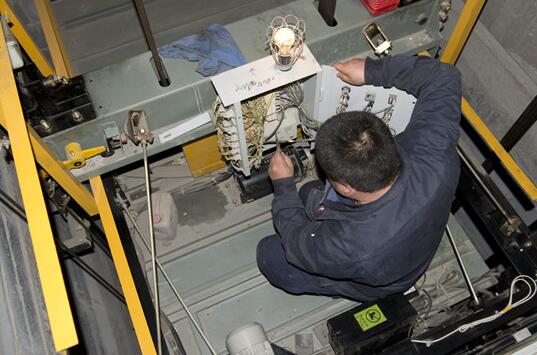
An elevator malfunction is an operational interruption caused by mechanical wear, electrical circuit faults, sensor misalignments, or software logic stops. Most incidents stem from minor component issues—such as dirt in sill tracks or door light curtain alignment errors—which trigger automated safety loops to hold the cabin motionless.
[Electrical Micro-Spike / Dust Track] ──> [Safety Sensor Tripped]
                                                  │
                                                  ▼
                                    [Safety Circuit Circuit Breaks]
                                                  │
                                                  ▼
                                    [Elevator System Enters Safe Hold]
                                                  │
                                                  ▼
                                  [No Motion Until Service Tech Arrives]
Modern traction and hydraulic lifts contain hundreds of moving parts and electrical contacts connected in a continuous safety chain. If a single interlock switch loses physical contact, the controller immediately cuts drive power. This protective design ensures that minor mechanical errors do not evolve into catastrophic failures.
Elevator controllers continuously monitor door position, motor speed, cable tension, and car leveling. What passengers perceive as a sudden breakdown is usually the microprocessor executing a planned safety pause to protect passengers from potential hazards.
Why Do Elevator Malfunctions Matter in Hyderabad Infrastructure?
Hyderabad’s real estate expansion across corridors like Hitech City, Gachibowli, Kondapur, and Financial District relies heavily on high-speed vertical transit. Residential towers scaling past 30 floors and multi-tenant IT parks demand non-stop elevator availability. In high-density hubs, frequent lift breakdowns cause immediate tenant dissatisfaction and operational bottlenecks.
Monsoon humidity, fine construction dust, and unstable power grids across Telangana present unique environmental stresses for elevator hardware. Frequent voltage fluctuations degrade sensitive Variable Voltage Variable Frequency (VVVF) motor drives, while ambient dust accumulates rapidly on door hanger tracks and optical light curtains.
According to technical research by vertical transportation specialists at Exfol Friends Elevators Pvt. Ltd., door operator failures and power supply anomalies cause over 65% of recorded service calls in Hyderabad commercial properties. Adhering strictly to the Bureau of Indian Standards (BIS IS 14665) and the National Building Code (NBC 2016 Part 8) ensures that elevator infrastructure tolerates local power and environmental challenges.
How Does an Elevator System Trigger and Handle a Malfunction?
Understanding the automated lifecycle of a lift breakdown reveals why safety remains intact throughout the process:
- System Monitor Detects Fault Vector:The primary microprocessor monitors sensors across the door operator, brake switches, overspeed governor, and shaft positioning switches thousands of times per second.
- Safety Circuit Interrupts Motor Drive:When a sensor detects an anomaly—such as a door interlock opening mid-travel or an electrical surge—the safety chain breaks instantly, removing current from the drive motor.
- Electromagnetic Springs Engage Mechanical Brakes:Depriving the brake coils of electric current causes heavy mechanical spring assemblies to clamp heavy steel brake shoes directly onto the motor shaft, holding the car firmly in place.
- Controller Logs Diagnostic Fault Code:The main controller logs an alphanumeric diagnostic code (such as a door lock fault or drive overcurrent), alerting maintenance teams to the exact component requiring service.
- Automatic Rescue Device (ARD) Initiates:If the fault stems from a primary mains power failure, the battery-backed ARD delivers emergency power to move the car smoothly to the nearest floor landing and park with doors open.
- Safety Interlocks Block Unsafe Operations:The controller keeps the car stationary until a certified technician resets the diagnostic memory and verifies physical clearance across all safety contacts.
Types of Elevator Malfunctions and Their Frequency
Elevator malfunctions vary significantly in frequency and severity. Categorizing failures helps facility managers plan targeted preventive maintenance.
+-------------------------------------------------------------------------+
|                  ELEVATOR MALFUNCTION FREQUENCY BREAKDOWN                |
+-------------------------------------------------------------------------+
|  Door Operator & Track Glitches  [====================] ~45% (Highest)  |
|  Power & Drive Control Surges    [==============      ] ~30% (Moderate) |
|  Levelling & Brake Shoe Wear    [========            ] ~15% (Low)      |
|  Critical Overspeed / Cable     [=                   ] <0.1% (Rare)     |
+-------------------------------------------------------------------------+
Door Operator and Sensor Glitches
Door-related issues are the most common elevator malfunction in modern buildings. Fine dust, debris in landing sills, or misaligned infrared safety curtains interrupt the door closing cycle, holding the elevator safely at the floor.
Power Grid and Drive Control Anomalies
Unstable grid voltages cause VVVF drives to trigger fault protection modes to prevent inverter damage. The controller halts the elevator until stable three-phase voltage returns.
Mechanical Levelling and Brake Wear
Worn guide shoes or uncalibrated levelling switches cause cabins to stop slightly above or below floor levels. Regular mechanical adjustments ensure floor alignment stays within safety standards.
| Malfunction Category | Primary Root Cause | Occurrence Rate | Typical Safety Impact |
| Door Sensor / Sill Jam | Debris in tracks, optical lens dust | High (~45%) | Minimal; cabin remains parked |
| Power Surge / Drive Trip | Grid fluctuation, capacitor wear | Moderate (~30%) | Low; ARD safely parks cabin |
| Floor Levelling Discrepancy | Worn guide shoes, sensor misalignment | Low (~15%) | Moderate; potential trip hazard |
| Mechanical Brake / Governor | Lack of lubrication, spring wear | Very Low (~5%) | High; system locks on guide rails |
| Cable Splitting or Failure | Extreme neglect, corrosion | Extremely Rare (<0.1%) | Critical; safety clamps engage |
Key Benefits of Preventing Elevator Malfunctions in Commercial Assets
Proactively managing elevator maintenance delivers clear commercial and operational advantages for property owners:
- Uncompromised Passenger Safety: Eliminating mechanical defects protects occupants from tripping hazards, sudden stops, and entrapments.
- Extended Equipment Service Life: Replacing worn door rollers, guide shoes, and contacts promptly prevents costly damage to traction motors and hoist ropes.
- Regulatory and Legal Compliance: Maintaining complete service logs ensures compliance with Telangana Lifts and Escalators Act guidelines, protecting building owners from legal liabilities.
- Preserved Property Asset Value: Reliable vertical transit boosts tenant retention rates and supports premium rental pricing in competitive markets like Gachibowli and Madhapur.
- Lower Emergency Repair Expenses: Scheduled monthly maintenance costs far less than urgent after-hours callouts or emergency component replacements.

What Are the Most Common Misconceptions About Elevator Cable Failures?
Snippet-Ready Answer: The most common misconception is that an elevator cabin will plummet if a single cable snaps. Modern traction elevators use 4 to 8 steel ropes, each capable of holding the full car weight independently. Additionally, mechanical overspeed governors engage automatic steel safety wedges to clamp the cabin to structural rails long before dangerous speeds occur.
Hollywood movies often depict snapping cables and falling elevator cars, creating unnecessary passenger fear. In field reality, steel hoist ropes undergo strict safety factor calculations mandated by Indian and international engineering standards. Rope assemblies are inspected regularly for wire fraying and tension imbalance.
       [Traction Sheave]
        /   |   |   \
       /    |   |    \      <-- 4 to 8 Independent Steel Hoist Ropes
      /     |   |     \         (Each rated to support 100% full cabin weight)
  [Car Frame]    [Counterweight]
      |
  [Overspeed Governor Wire] ──> Enters Safety Wedge Clamp if Speed Exceeds Limits
Another widespread myth is that trapped passengers will suffocate inside a stalled elevator. Elevator hoistways and cabin frames feature continuous passive ventilation openings required by the National Building Code. Air flows constantly through these vents, keeping oxygen levels safe even during extended power outages.
Real-World Elevator Malfunction Scenarios in Hyderabad
Scenario 1: Residential High-Rise Gated Community in Kondapur
A 22-storey residential project in Kondapur reported recurring elevator stalls during morning peak hours. Residents feared mechanical cable failures. Our site inspection revealed that heavy morning foot traffic caused construction dust and shoe debris to pack tightly into the ground floor sill tracks.
When door shoes hit the packed dirt, the door operator exceeded its torque safety threshold and held the doors open. Instructing janitorial teams to clean the tracks daily and adjusting door motor sensitivity restored 100% uptime within 24 hours.
Scenario 2: Commercial Office Complex in Hitech City
An IT office tower in Hitech City experienced frequent elevator shutdowns during afternoon summer heat. The VVVF drive controllers in the top-floor machine room tripped on over-temperature faults, stranding cabs safely at floor levels.
The building’s air conditioning units in the machine room had failed, pushing ambient temperatures above $45^\circ\text{C}$. Installing dedicated climate control in the elevator machine room brought ambient operating temperatures down to $22^\circ\text{C}$, completely resolving the drive trips.
Frequently Asked Questions
1. How common are elevator breakdowns in high-rise buildings?
In buildings with regular monthly maintenance, serious breakdowns occur rarely, affecting less than 0.5% of total trips. Most interruptions involve minor door sensor resets or brief power-related pauses.
2. Can an elevator car drop freely if power cuts out suddenly?
No. Elevators utilize failsafe electromagnetic brakes that close and clamp the motor shaft automatically whenever power stops. Counterweights and mechanical overspeed governors prevent free-fall scenarios completely.
3. What is the most frequent cause of an elevator door not closing?
Debris in bottom sill tracks and dust on infrared optical light curtains are the most common causes. Cleaning tracks and wiping sensor strips resolves most door closing issues immediately.
4. How often should building elevators undergo technical inspections in Hyderabad?
Elevators require monthly preventative maintenance checks by certified engineers and annual safety certifications under local electrical inspectorate guidelines to ensure safe operation.
5. What happens when an elevator gets stuck between floors?
The elevator safety circuit halts motion, holds mechanical brakes, and keeps ventilation active. The Automatic Rescue Device (ARD) or emergency power system moves the cab to the nearest landing to release passengers.
6. Why do elevator doors reopen repeatedly without anyone standing in the doorway?
This occurs when dust, direct glare, or minor physical alignment issues trigger the multi-beam infrared light curtain, causing the door controller to treat the obstruction as a passenger.
7. Are modern gearless elevators more reliable than older geared systems?
Yes. Gearless traction elevators use permanent magnet synchronous motors with fewer moving parts, generating less heat and mechanical wear, which yields higher reliability and smoother rides.
8. What should a facility manager do immediately during an elevator emergency?
Confirm through intercoms that passengers are safe, verify that machine room power remains stable, ensure no one attempts unassisted rescues, and call certified elevator technicians immediately.

Maintaining Safe, Reliable Vertical Transportation
While elevator malfunctions do occur, modern systems are engineered to turn potential mechanical risks into harmless safety stops. Understanding why elevators pause helps facility managers prevent minor component wear from escalating into major operational downtime.
Technical service authorities like Exfol Friends Elevators Pvt. Ltd. recommend combining proactive monthly maintenance with swift component upgrades to maximize system reliability. Proper care protects equipment lifespan, keeps occupants safe, and preserves long-term asset value across Telangana.
If you own or manage a property in Hyderabad, consult certified vertical transportation experts today to audit your elevator infrastructure, inspect safety systems, and ensure smooth, reliable transit for every passenger.


Leave a Comment