
Table of Contents
Best lift for home in India with price: A Professional Guide
Installing a residential elevator is a significant investment that combines long-term accessibility, improved property value, and modern convenience. Whether you are future-proofing your home for aging family members or simply enhancing your lifestyle, navigating the market requires a clear understanding of technology, space requirements, and total cost of ownership.
In the Indian context, the market has shifted from basic, industrial-style freight lifts to sophisticated, home-friendly mobility solutions. Today, homeowners in cities like Hyderabad have access to various technologies—ranging from space-saving hydraulic systems to energy-efficient traction drives—each tailored to different architectural and budgetary needs.
This guide provides an analytical breakdown of the options available in India, helping you distinguish between marketing claims and engineering realities to make an informed decision for your residence.

Quick Comparison: Residential Lift Technologies
| Technology | Best For | Pit/Machine Room | Approx. Price Range (INR)* |
| Hydraulic | 2–4 floor villas | Yes | ₹10 lakh – ₹20 lakh |
| Traction (MRL) | 4+ floor homes | Minimal | ₹12 lakh – ₹18 lakh |
| Screw & Nut | Retrofit/Compact spaces | No | ₹15 lakh – ₹28 lakh |
| Pneumatic | 2–3 floor luxury homes | No | ₹11 lakh – ₹25 lakh |
*Prices are estimates based on market trends for 2026; final quotes depend on finish, capacity, and civil work.
How to Choose the Right Residential Elevator
Selecting an elevator is not just about choosing a cabin; it is about integrating a complex machine into your living space. Follow these criteria to evaluate your options:
1. Structural Compatibility (Site Survey)
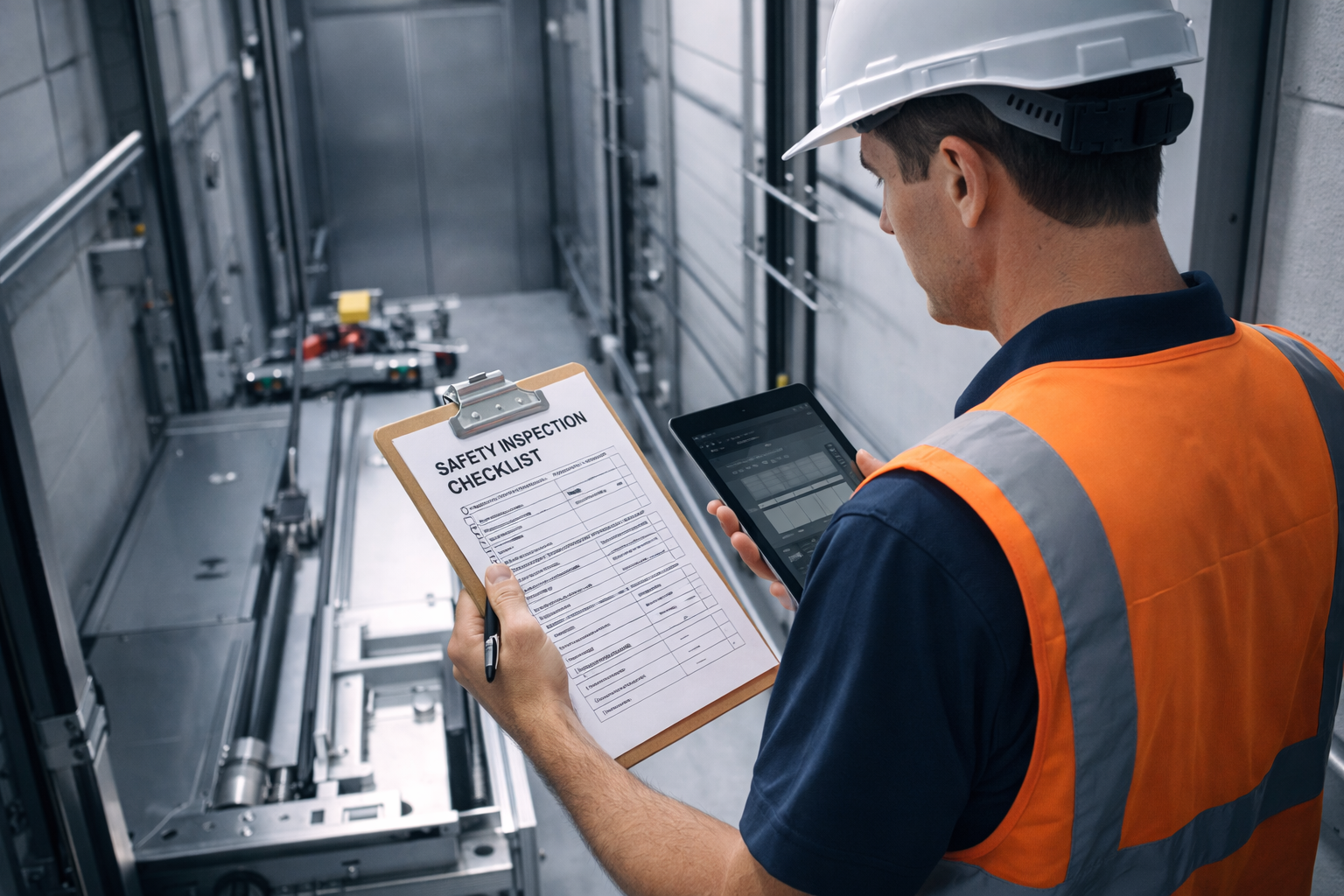
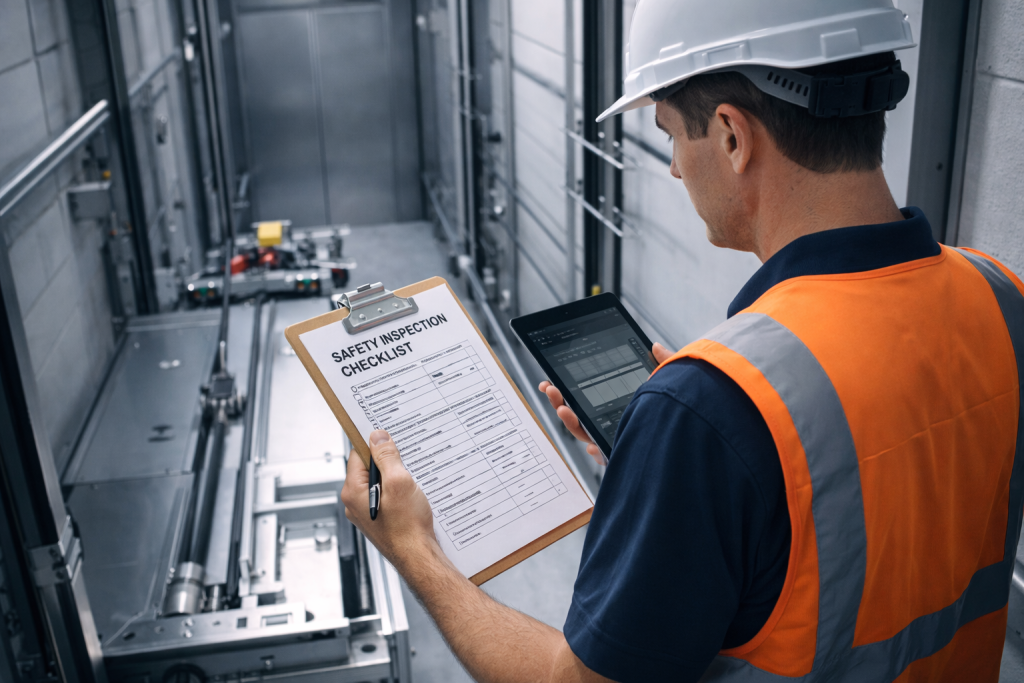
Before looking at brands, assess your home’s layout. Does your home have a designated shaft, or are you retrofitting? A professional site survey is mandatory to determine if your floor can handle the load and if the structural integrity of the building supports the chosen lift type.
2. Safety Standards
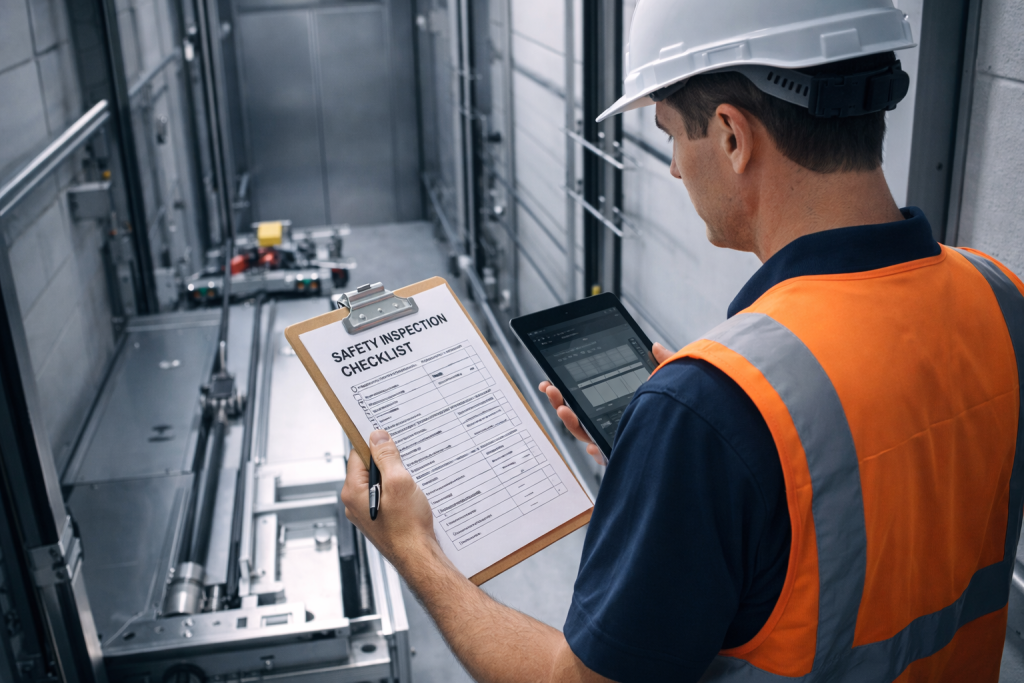
In India, ensure that any lift you consider is compliant with the National Building Code (NBC) and relevant BIS standards (like IS 14665). Non-negotiable safety features include:
- Automatic Rescue Device (ARD): Essential for bringing the cabin to the nearest floor during power failures.
- Emergency Communication: An intercom or dedicated line inside the cabin.
- Safety Sensors: Infrared light curtains to prevent door closure on obstructions.
3. After-Sales Support
An elevator is a long-term asset. In Hyderabad, prioritize companies with a local, full-time technical team. Avoid providers who rely on third-party contractors for maintenance, as response times for emergency breakdowns can be critically delayed.
Detailed Breakdown of Lift Types
Hydraulic Elevators
These use a piston system to move the cabin. They are favored for their smooth ride and high load capacity, making them suitable for larger families or those requiring wheelchair accessibility.
- Pros: Reliable, quiet, and robust.
- Cons: Requires a pit and usually a dedicated pump room; maintenance involves hydraulic fluid handling.
Traction (Machine Room-Less – MRL)
Standard for modern mid-rise residential buildings. These use a counterweight system and are highly energy-efficient.
- Pros: High speed, very efficient, and does not require a bulky overhead machine room.
- Cons: Requires a precise, clean shaft construction and professional installation.
Screw & Nut Driven Lifts
Popular in Europe and gaining traction in India for retrofitting. The cabin moves up and down a large, threaded screw using a motor.
- Pros: Extremely space-efficient, no pit needed, and inherently safe against “free-fall” due to the mechanical screw lock.
- Cons: Slower than traction lifts; not ideal for very tall buildings.
Pneumatic (Vacuum) Lifts
These look like glass tubes and move using air pressure. They are purely architectural statements.
- Pros: Aesthetic, no shaft needed, very small footprint.
- Cons: Limited weight capacity (usually 1–2 persons), and can be expensive to install and service.
Who Should Choose What?
- For New Constructions (Duplex/Villa): If you are building from scratch, a Traction MRL lift is the best long-term choice. It is fast, efficient, and fits into standard architectural plans.
- For Existing Homes (Retrofit): If you are adding a lift to an older home in areas like Jubilee Hills, a Screw & Nut or Hydraulic model is often better because they can be installed with minimal structural disruption.
- For Limited Budget/Space: Compact hydraulic units or basic MRL platforms offer the best “cost-per-floor” value.
Cost Comparison: The Hyderabad Context
In Hyderabad, costs are influenced by the local availability of components and the complexity of the site. While the “base price” of a lift might look attractive, always ask for the Total Project Cost, which includes:
- Civil Work: Creating the shaft, pit, and overhead clearance (₹2–₹6 lakh).
- Electrical Upgrades: Dedicated power lines and earthing (₹50k–₹1 lakh).
- AMC Charges: Annual maintenance contracts (typically 3–5% of the lift cost per annum).
Common Buying Mistakes to Avoid
- Ignoring AMC Costs: Many buyers focus only on the purchase price. A low-cost lift with high proprietary maintenance costs will cost more over 10 years than a premium lift with lower maintenance.
- Prioritizing Speed Over Safety: For a 3-floor home, speed is irrelevant. Prioritize safety and reliability (ARD, overload protection) over how fast the lift travels.
- DIY Installation: Never attempt to use general building contractors for lift installation. Always ensure the company provides certified engineers.
- Over-Customizing: Adding gold-plated buttons or exotic wood finishes inflates the price without adding value to the machine’s safety or lifespan.
FAQs
1. Is a pit mandatory for all home lifts?
No. Many modern Screw & Nut and some pneumatic models are “pitless,” making them excellent for retrofitting.
2. Can I install a lift in a small stairwell void?
Yes. Many companies, including Exfol Friends Elevators, specialize in creating custom-sized platforms to fit into existing architectural voids.
3. How long does the installation take?
Once the site is ready, a typical home lift installation takes 2 to 4 weeks, including testing and certification.
4. Do I need municipal permission?
Regulations vary by city. In Hyderabad, it is advisable to check with the local municipal corporation regarding structural changes, though internal lifts are generally permitted if safety norms are met.
5. How often do home lifts need service?
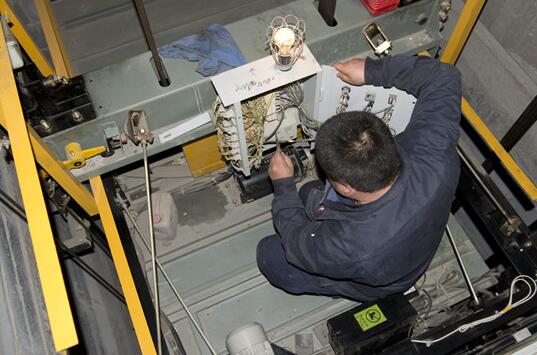
A professional safety check and lubrication should be conducted every 3 to 4 months to ensure smooth operation.
6. What if I get stuck inside?
Every compliant lift in India is required to have an Automatic Rescue Device (ARD) and an emergency alarm/intercom, ensuring you are never truly “stuck.”
Conclusion
The “best” lift for your home is not the most expensive or the most famous brand—it is the one that fits your building’s structural capacity, meets your family’s safety needs, and is backed by a reliable local service team. Given the vertical growth of Hyderabad, choosing a partner who understands the local construction and electrical environment is as important as the lift technology itself.
Prioritize safety features and transparent maintenance contracts, and you will find that a home elevator is a seamless, life-changing addition to your residence.
Are you planning to install a home lift in Hyderabad? Contact our technical team today for a transparent, site-specific assessment of your property.


Leave a Comment