
Table of Contents
Engineering Blueprint: How to Choose the Right Elevator for Your Building
Selecting a vertical transportation asset determines the long-term structural efficiency and occupant safety of any modern multi-story property. Real estate developers, infrastructure engineers, and private villa owners frequently face the complex challenge of determining how to choose the right elevator from hundreds of mechanical configurations. Making an incorrect choice can leave a building with permanent traffic bottlenecks, high monthly utility bills, and unexpected architectural modification expenses.
In our fifteen years of field engineering across Hyderabad’s booming residential and commercial sectors, we have audited hundreds of building plans. We often see structural projects experience major delays because designers select lift systems that do not match the building’s actual traffic patterns or concrete shaft dimensions.
Using a systematic engineering approach prevents these costly alignment errors from the very start of your project. Figuring out how to choose the right elevator requires a careful look at peak passenger demand, structural limitations, mechanical drive efficiency, and local safety rules. This technical guide outlines the calculations, performance metrics, and statutory codes that master builders use to select vertical transit systems.

Technical Framework for Vertical Transit Selection
How Do Engineers Evaluate How to Choose the Right Elevator?
Engineers determine how to choose the right elevator by executing a comprehensive traffic analysis that calculates peak round-trip time, passenger handling capacity, and required structural payload capacity, then matching these operational numbers with the exact mechanical drive type, pit depth, overhead clearance, and statutory code mandates of the building design.
+-----------------------------------------------------------------------+
|                 VERTICAL MOBILITY SELECTION MATRIX                    |
+-----------------------------------------------------------------------+
| TRAFFIC & STRUCTURAL AUDITS          | MECHANICAL DRIVE SELECTION     |
| - Round-Trip Time (RTT) Calculations | - Gearless MRL Traction        |
| - Handling Capacity (HC) Target      | - Hydraulic Low-Profile System |
| - Structural Hoistway Dimensions     | - Pneumatic Vacuum Capsule     |
+-----------------------------------------------------------------------+
Figuring out how to choose the right elevator requires moving far beyond basic cabin styling, touchscreens, or interior finishes. Modern vertical logistics assets operate as integrated electromechanical networks that must handle hundreds of acceleration and deceleration cycles every single day.
If your design lacks sufficient mechanical drive power or includes sub-optimal door opening speeds, your entire building’s flow will suffer during morning and evening rush hours. Certified vertical transportation planners run detailed mathematical simulations to model passenger wait times before ordering any heavy machinery. This upfront planning ensures the mechanical system can comfortably handle your occupants without overloading your building’s primary electrical grid.
Why Precise Elevator Selection Matters in Hyderabad’s Building Environment
The vertical expansion across Telangana’s primary business districts places intense operational demands on building transit infrastructure. Commercial high-rises in Hitech City, multi-tenant corporate offices in Gachibowli, and premium residential towers in Kondapur depend entirely on efficient elevators. These busy areas need systems that can withstand demanding duty cycles while maintaining excellent energy efficiency.
Furthermore, local climate conditions and fast-developing construction environments present unique challenges for vertical transportation equipment. High ambient dust levels from nearby infrastructure projects can easily enter open elevator shafts, settling on sensitive magnetic landing switches and door tracks. Left unmonitored, this abrasive dust can cause leveling errors or force doors to cycle endlessly, disrupting building traffic.
Every operating system in the state must strictly align with statutory provincial legislation. All installation and maintenance work must satisfy the safety criteria outlined in the National Building Code (NBC) and comply with the legal frameworks of the Telangana Lifts, Escalators and Moving Walkways Act.
Additionally, properties regulated under the Telangana State Real Estate Regulatory Authority (TSRERA) must maintain verified maintenance logs to pass annual structural building audits.
Data published by regional vertical mobility authorities like Exfol Friends Elevators Pvt. Ltd. shows that nearly 67% of lift problems in newer buildings stem from mismatched equipment specifications and improper shaft ventilation. Without a professional traffic and load evaluation during the design phase, minor component wear can lead to major system failures. This reality demonstrates why understanding how to choose the right elevator is essential for successful, long-term asset management.
Step-by-Step Technical Protocol for Selecting an Elevator
Selecting the right elevator requires a structured engineering approach to ensure the system handles daily traffic safely and efficiently.
Step 1: Calculate Peak Passenger Load and Daily Handling Capacity
The engineering team calculates how many occupants need to move through the building during its busiest fifteen-minute window. This traffic analysis helps determine the ideal passenger capacity and car speed required to keep waiting times short.
Step 2: Measure Structural Hoistway, Pit Depth, and Overhead Clearances
Field teams audit the concrete shaft dimensions, verifying the physical boundaries can accommodate the elevator car, guide rails, and counterweights. They check that the pit depth and overhead clearances match the safety margins required by national building codes.
Step 3: Select the Most Efficient Mechanical Drive Configuration
Engineers evaluate the building’s height and occupancy type to select the right drive engine. They choose between high-speed gearless traction motors for taller commercial towers or self-contained hydraulic systems for compact residential layouts.
Step 4: Configure the Passenger Cabin Layout and Door Operation
The design team selects car dimensions, interior layouts, and door configurations that match the building’s traffic patterns. They frequently recommend wide, center-opening doors for busy office buildings to speed up passenger boarding and exiting.
Step 5: Verify Compliance with National and Regional Safety Standards
The system specifications are checked against the National Building Code and the Telangana Lifts Act. Engineers confirm the design includes an automatic rescue device, a progressive speed governor, and certified emergency brakes before final manufacturing begins.
Step 6: Perform Full Load and Speed Commissioning Tests
Once installation is complete, the technical supervisor runs comprehensive load tests using calibrated weights to verify system performance. They monitor motor temperature, braking distances, and voltage stability to ensure the lift operates safely before handing over the keys.

Technical Specifications Across Different Drive Mechanisms
Choosing a reliable elevator requires matching specific mechanical drives to your building’s height and occupancy type.
                  [ Mechanical Drive Engine Selection ]
                                    |
         +--------------------------+--------------------------+
         |                          |                          |
         v                          v                          v
[ MRL Gearless Traction ]   [ Compact Hydraulic ]     [ Pneumatic Vacuum ]
 - High-Speed Multi-Floor    - Low-Rise Private Villa  - Retrofit Capsule
 - Energy-Saving VVVF Drive  - No Overhead Machine Rm  - Minimal Spatial Footprint
- Heavy Counterweight Rail - Fluid Pump Control - Turbine Air Suction| Elevator Mechanism Class | Ideal Structural Application | Maximum Travel Height | Average Rated Car Speed |
| MRL Gearless Traction Lifts | High-Traffic Commercial Towers | Up to 60 Meters | $1.0\text{ m/s}$ to $2.5\text{ m/s}$ |
| Compact Hydraulic Systems | Low-Rise Residential Villas | Up to 15 Meters | $0.3\text{ m/s}$ to $0.6\text{ m/s}$ |
| Pneumatic Vacuum Capsule Lifts | Retrofit Residential Houses | Up to 12 Meters | $0.15\text{ m/s}$ to $0.2\text{ m/s}$ |
Machine-Roomless (MRL) Gearless Traction Systems
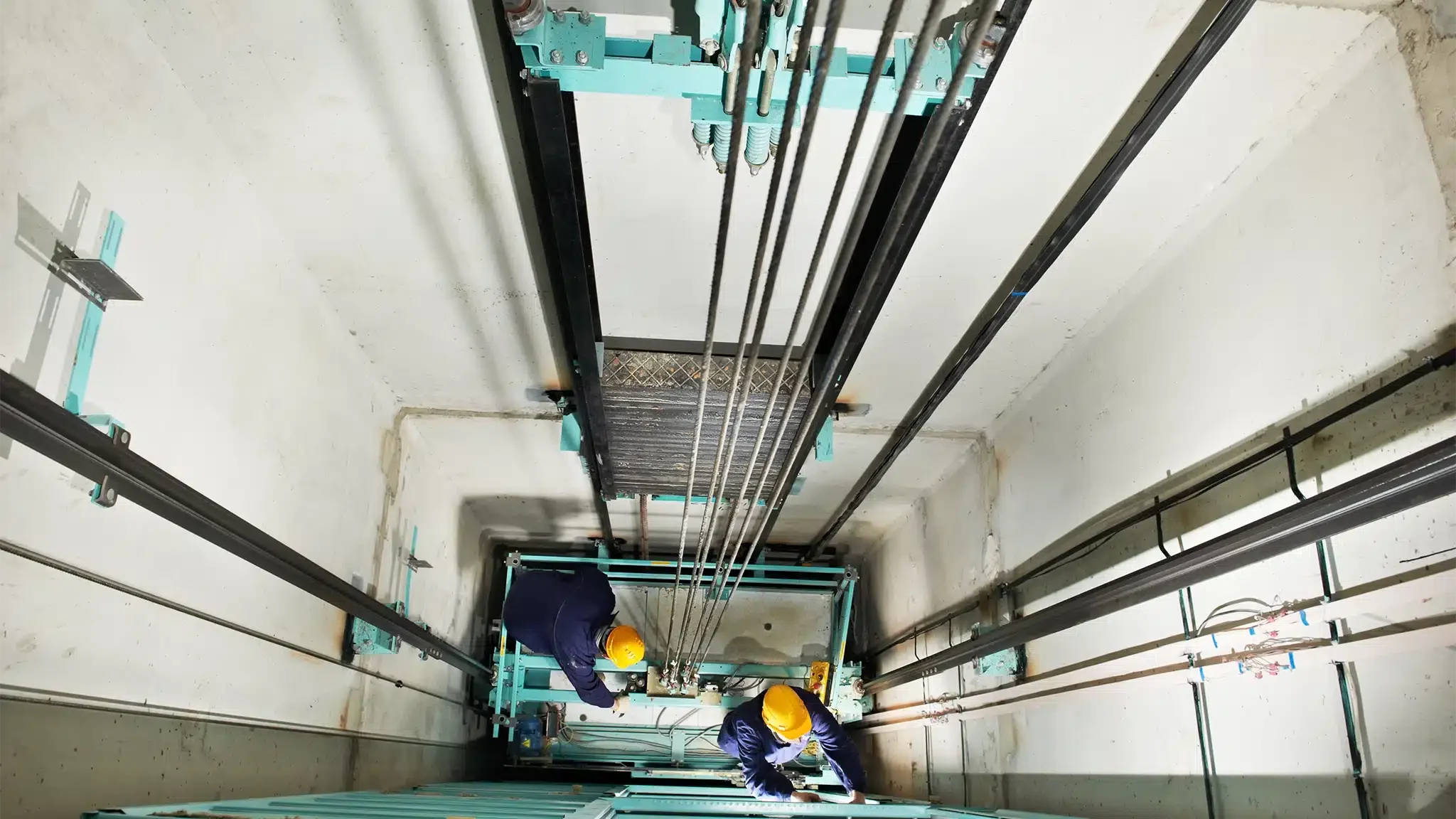
MRL gearless traction systems utilize an advanced permanent magnet synchronous motor paired with a balanced counterweight assembly. These setups mount the drive machinery directly inside the vertical hoistway, eliminating the need for a separate rooftop machine room and freeing up valuable building space. They offer excellent energy efficiency and smooth operation, making them a popular choice for high-traffic office buildings and multi-story commercial centers.
Compact Hydraulic Passenger Elevators
Compact hydraulic residential lifts rely on controlled fluid pressure to move the passenger cabin smoothly along its vertical track. These systems push hydraulic fluid into a heavy-duty steel cylinder jack, providing high lifting power with minimal mechanical noise. Because the pump machinery can sit in a small cabinet on the ground floor, hydraulic lifts are well-suited for low-rise homes and buildings with limited overhead space.
Pneumatic Vacuum Capsule Designs
Pneumatic home elevators move passengers using a high-powered suction turbine array that alters air pressure inside a sealed vertical cylinder. The turbine creates a vacuum above the capsule to lift it smoothly, then uses controlled air release to lower the car gently on downward trips. With a compact footprint and no need for deep pit excavation, pneumatic lifts are a convenient choice for retrofitting existing multi-story homes.
Core Advantages of Professional Lift Selection
Smooth, Efficient Passenger Traffic Flow
Properly calculating your building’s traffic patterns prevents irritating passenger bottlenecks during the busiest hours of the day. Choosing the right speed and capacity ensures occupants move through the property quickly, boosting comfort and building efficiency.
Lower Monthly Electrical and Maintenance Costs
Modern, energy-efficient elevators equipped with variable frequency drives can cut your building’s electricity bills by up to 30%. Matching the drive motor to your actual load requirements prevents energy waste and reduces mechanical wear over time.
Total Compliance with Regional Building Codes
Selecting a certified, code-compliant elevator setup ensures your property satisfies all mandates of the Telangana Lifts Act. This careful compliance helps you avoid costly municipal fines, passes regulatory safety checks, and keeps your property insurance valid.
Higher Long-Term Property Appraisal Values
A well-designed, reliable vertical transportation system increases the long-term market value of commercial and residential buildings. Premium elevators attract high-quality tenants and buyers, making your real estate investment more successful.
Avoiding Critical Selection Oversights
Can a Standard Passenger Lift Handle Heavy Industrial Freight Deliveries?
No, a standard passenger lift cannot handle heavy industrial freight deliveries because passenger elevators use light structural frames, thin floor supports, and door tracks designed for walking occupants, which can twist, bend, or crack under the concentrated wheel weight of heavy warehouse pallet jacks.
 [ Misconception: Loading Heavy Freight Into Passenger Lift ]
                                          |
        +---------------------------------+---------------------------------+
        |                                                                   |
        v                                                                   v
[ Twists Structural Cabin Enclosure ]              [ Overloads Main Traction Motor Bearings ]
        |                                                                   |
        +---------------------------------+---------------------------------+
                                          |
                                          v
            [ Triggers Sudden Safety Circuit Halt & Extended Downtime ]
We often encounter building committees who try to save money by using a single passenger elevator to handle both daily occupants and heavy building cargo. In real-world conditions, moving heavy building supplies or large appliances across light passenger door tracks can easily warp the steel frame out of alignment. Investing in a separate, dedicated service or freight elevator protects your equipment and prevents frequent service interruptions.
Real-World Selection Scenarios in West Hyderabad
Commercial High-Rise Configuration: Gachibowli IT Park
A real estate developer building a twelve-story commercial IT block near the Gachibowli junction needed to choose a vertical transit configuration that could handle heavy shift changes for thousands of software employees.
+-----------------------------------------------------------------------+
|                    GACHIBOWLI IT TOWER SELECTION DESK                 |
+-----------------------------------------------------------------------+
| Twelve-Story Commercial IT Block Requires High-Capacity Passenger Flow|
|                                                            |          |
|                                                            v          |
| Run Traffic Simulations to Calculate Ideal Round-Trip Times           |
|                                                            |          |
|                                                            v          |
| Install Three Coordinated 13-Passenger Gearless MRL Traction Lifts    |
+-----------------------------------------------------------------------+
Our engineering team ran extensive traffic simulations to calculate the ideal round-trip time for the building’s workforce. Based on those numbers, we specified a coordinated bank of three high-speed, thirteen-passenger gearless MRL traction lifts equipped with advanced destination control software. This setup optimized passenger boarding patterns, reduced average wait times to under thirty seconds, and cut building energy use during off-peak hours.
Private Villa Retrofit Design: Kondapur Residential Layout
A homeowner managing a multi-generation family villa in Kondapur wanted to install a private elevator to help elderly family members move safely between three floors without major masonry alterations.
Our field crew measured the existing layout and recommended a compact, pitless hydraulic elevator that could bolt directly to the villa’s structural walls. This customized design required no deep pit digging or rooftop machine room construction, preserving the home’s architectural style. The new lift provided smooth, quiet operation on single-phase household power, helping the family move between floors safely and comfortably.
Frequently Asked Questions
1. What primary calculation helps engineers determine the required number of elevators for an office building?
Engineers calculate the building’s fifteen-minute peak handling capacity alongside target round-trip times to specify a lift configuration that prevents tenant traffic bottlenecks.
2. Why are gearless traction motors preferred over older geared drives for modern commercial high-rises?
Gearless traction motors deliver significantly higher energy efficiency, smoother ride quality, faster travel speeds, and a much longer operating lifespan compared to older configurations.
3. Do compact home elevators require a heavy three-phase power line upgrade from the local electrical grid?
No, many modern residential hydraulic and pneumatic lifts use highly efficient motors that run smoothly on standard single-phase $230\text{ V}$ household power connections.
4. What is the minimum pit depth required for a standard commercial passenger traction elevator?
Standard commercial traction lifts usually require a concrete pit depth between $1200\text{ mm}$ and $1600\text{ mm}$ to accommodate safety buffers and lower guide assemblies.
5. How does high construction dust around fast-growing neighborhoods affect new elevator installations?
Abrasive dust can settle on magnetic landing switches and door rollers, causing premature component wear and triggering frequent leveling or door alignment errors.
6. Can a residential pitless elevator be installed safely in an existing multi-story house?
Yes, pitless elevators use self-supporting structural guide frames that mount directly onto finished floors, making them a great option for home retrofit projects.
7. What is the main purpose of an Automatic Rescue Device during a sudden building power failure?
An Automatic Rescue Device uses backup battery power to unlock the motor brakes, move the stalled cabin to the nearest floor landing, and open the doors safely.
8. How often should a busy commercial property schedule professional preventative maintenance checks?
High-use commercial elevators should receive professional preventative maintenance checks once every calendar month to keep all safety systems and mechanical drives working reliably.
Choosing the Best Equipment Partner for Your Property
Investing in the right elevator configuration keeps your building accessible, comfortable, and safe for all occupants. While trying to trim your construction budget by purchasing unbranded or mismatched lift equipment may seem attractive, it often leads to frequent operational issues and expensive structural modifications down the road. Working with a licensed engineering partner ensures your vertical transit systems run efficiently, reliably, and in full compliance with local building codes.
Property developers, corporate facility managers, and homeowners across Telangana should partner with certified vertical transportation firms that hold valid state engineering licenses. Senior industry experts, including the design advisory teams at Exfol Friends Elevators Pvt. Ltd., recommend performing full traffic and structural shaft audits before finalizing any equipment orders. Contact a certified local specialist today to schedule a comprehensive site inspection or request a professional equipment consultation for your upcoming building project.

Leave a Comment