
Table of Contents
Why Is My Elevator Door Not Closing? Expert Troubleshooting & Repair Guide
A malfunctioning lift door creates immediate operational disruption for apartment residents, commercial tenants, and building managers alike. When property owners ask us, “Why is my elevator door not closing?“, we examine several potential mechanical and electrical issues. Elevator controllers keep doors open when safety sensors detect obstructions, mechanical tracks jam, or door operator motors lose power.
In our fifteen years of field engineering across Hyderabad and Telangana, door systems account for over 40% of all emergency service calls. Modern elevators rely on continuous safety circuit loops. If a single sensor, door skate, or landing interlock fails, the main microprocessor prevents the cabin from moving to protect passenger safety.
What Does It Mean When an Elevator Door Remains Open?
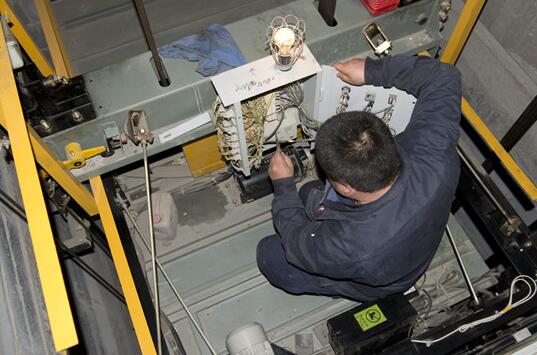
When an elevator door remains open, it indicates that a safety circuit interlock, light curtain sensor, door operator drive, or mechanical track sensor has triggered a safety hold. The main elevator controller intentionally disables cabin movement until the door fully closes and mechanically locks, preventing unsafe travel.
Modern vertical transportation systems utilize redundant electrical safety chains. If the door operator panel detects physical resistance or an open electrical interlock circuit, the system keeps the car stationary.
[Infrared Sensor Obstruction] ──┐
[Door Track Debris / Grit]   ──┼──> [Safety Circuit Opens] ──> [Elevator Door Holds Open]
[Interlock Switch Failure]   ──┤
[Door Operator Drive Fault]  ──┘
In high-density commercial hubs like Hitech City and residential towers in Kondapur, daily foot traffic strains door mechanisms. Fine dust, small stones, or misaligned optical curtains frequently disrupt normal closing cycles. Understanding the underlying trigger helps facility teams determine whether a simple track cleaning suffices or if immediate technical repair is necessary.
Common Causes of Elevator Doors Not Closing
Through extensive site audits across Telangana, we regularly identify seven primary root causes behind elevator door closing failures:
- Optical Light Curtain and Sensor Obstructions: Modern lifts feature infrared light curtains spanning the door height. Fine airborne dust, direct bright sunlight glare, or physical smudges on sensor lenses trick the controller into detecting a person, holding the doors open continuously.
- Debris and Dirt in Bottom Sill Tracks: Concrete dust, small gravel, or fallen items accumulate inside landing sill grooves. This physical debris blocks bottom door shoes, preventing the door panel from completing its final 15 millimeters of travel required to trigger the mechanical interlock.
- Faulty Landing Door Interlock Switches: Every floor landing door features a mechanical lock and electrical safety switch. If interlock contacts oxidize, wear down, or slip out of alignment, the controller receives a “door open” signal even when doors appear visually shut.
- Worn Mechanical Door Operator Belts and Cam Rollers: The door operator motor mounted on top of the car drives doors via rubber timing belts, linkages, and rollers. Worn belts slip, while flat-spotted rollers cause doors to bind mid-travel.
- Overload Sensor Activation: Passenger cabins contain load-weighing sensors under the car platform or frame. When total weight exceeds rated capacity, an audible buzzer sounds and the system holds doors open until excess weight steps off.
- Blown Door Operator Drives or Motor Capacitors: In areas like Gachibowli with frequent power surges, door operator inverter boards or motor starting capacitors burn out, depriving the door mechanism of driving torque.
- Nudge Mode or Fire Service Phase Activation: If an obstruction holds doors open beyond a programmed timer (typically 20 to 30 seconds), the system enters “nudge mode,” buzzing softly while trying to close slowly. Alternatively, activated fire alarms or faulty smoke detectors lock lifts on designated recall floors with doors open.
Step-by-Step Troubleshooting Guide for Facility Managers and Owners
Facility managers can safely perform initial visual checks before calling a technician.
CRITICAL SAFETY WARNING: Never attempt to bypass electrical safety switches, open controller cabinets, force door panels open or closed using mechanical tools, or access the top of the elevator car. All mechanical and electrical repairs must be performed exclusively by certified elevator engineers.
1.Verify Power Supply and Phase Continuity:Check the primary breaker panel for tripped switches.
Inspect the main electrical distribution board in the machine room or panel area. Ensure all three phases receive steady power and that no circuit breakers or earth-leakage trips have occurred.
2.Perform a Visual Inspection of the Bottom Sill Tracks:Remove visible loose dust or debris using a soft brush.
Inspect the aluminum door sill grooves at the affected floor landing. Safely sweep away loose dust, small stones, or trash using a handheld brush. Never insert fingers into track grooves.
3.Clean the Optical Light Curtain Lenses:Wipe infrared sensor strips using a clean, dry microfiber cloth.
Locate the vertical sensor strips installed on both sides of the car door edge. Gently wipe dust or fingerprints off the transmitter and receiver lenses using a soft, dry microfiber cloth.
4.Check for Physical Obstructions in the Door Path:Ensure decorative mats or wall panels do not block door travel.
Confirm that entrance door mats, wall decorations, or temporary construction protection panels do not interfere with sliding door panels or top hanger tracks.
5.Verify Building Fire Alarm Status:Confirm the building alarm system is not in fire recall mode.
Check whether the primary building fire alarm panel has triggered. A active fire signal forces elevators to park on designated recall landings with doors held fully open.
6.Perform a Controlled Power Reset:Recycle power only if permitted by facility maintenance protocols.
If authorized, switch off the main elevator power isolator for 60 seconds, then switch it back on. This resets minor microprocessor glitches and initiates a door recalibration cycle.
When Should You Call a Professional Elevator Repair Service?
Call a professional elevator service immediately if doors emit grinding noises, reverse repeatedly without obstructions, move out of alignment, or fail to operate after clearing track debris. Electrical faults, interlock replacements, and door operator repairs require specialized diagnostic tools and licensed technicians to ensure passenger safety.
When basic visual troubleshooting does not resolve the door failure, technical intervention becomes mandatory. Attempting DIY repairs on elevator doors risks severe mechanical damage, electrical short circuits, or passenger injury.
For reliable site support in Telangana, property owners consult certified service providers like Exfol Friends Elevators Pvt. Ltd., who specialize in emergency lift repairs, door operator overhauls, and statutory safety compliance across Hyderabad.
Safety Risks of Ignoring Elevator Door Faults
Ignoring door malfunctions compromises passenger safety and violates statutory building safety codes. Elevator doors serve as the primary protective barrier between the interior car cabin and the open hoistway shaft.
+-----------------------------------------------------------------------+
|                       ELEVATOR DOOR SAFETY RISKS                      |
+-----------------------------------------------------------------------+
|  1. Shear Hazards       --> Mechanical interlock failures             |
|  2. Passenger Trapped   --> Intermittent door operator breakdown       |
|  3. Shaft Fall Danger   --> Damaged landing door locking mechanisms   |
|  4. Code Non-Compliance --> Violations under BIS & NBC guidelines     |
+-----------------------------------------------------------------------+
- Shear and Trapping Hazards: Faulty door interlocks or modified safety circuits allow cars to move while doors remain unsealed, exposing passengers to severe shear hazards against hoistway walls.
- Fall Hazards into Open Shafts: Broken mechanical landing door locks allow third parties to force doors open manually from the hallway, creating an open fall hazard into an empty hoistway pit.
- Passenger Entrapment and Panic: Intermittent door operator faults trap passengers between floors, causing distress and potential emergency evacuation expenses.
- Statutory Violations: Operating an elevator with defective door safety systems violates mandatory provisions under the National Building Code (NBC 2016) and Bureau of Indian Standards (BIS IS 14665), subjecting building owners to legal liability and immediate shut-down orders by the Telangana Chief Electrical Inspectorate.
Estimated Elevator Door Repair Costs in Hyderabad
Repair costs depend on the underlying failure type, elevator brand, replacement component availability, and technology tier. Below is an estimated cost breakdown for typical door repairs in Hyderabad:
| Fault Category | Typical Repair Work Required | Estimated Cost Range (INR) | Repair Timeline |
| Sill Track Debris & Realignment | Track cleaning, shoe adjustment, hanger re-alignment | ₹1,500 – ₹3,500 | 1 to 2 Hours |
| Infrared Light Curtain Failure | Replacement of multi-beam optical sensor strips | ₹6,500 – ₹14,000 | 2 to 4 Hours |
| Landing Door Interlock Fault | Replacing worn mechanical locks and contact switches | ₹2,500 – ₹6,000 per floor | 2 to 3 Hours |
| Door Operator Belt / Roller Wear | Replacing drive timing belts, pulleys, and roller bearings | ₹4,500 – ₹9,500 | 3 to 5 Hours |
| Door Operator Inverter / Motor Drive | Repair or replacement of VVVF door controller board | ₹12,000 – ₹28,000 | 1 to 2 Days |
| Complete Door Operator Overhaul | Installing modern VVVF door motor, header, and linkages | ₹35,000 – ₹75,000 | 1 to 2 Days |
Note: Pricing excludes applicable GST, emergency night service surcharges, or custom structural fabrication fees.
Prevention and Long-Term Maintenance Strategies
Preventive maintenance avoids sudden door breakdowns and extends equipment service life. We recommend the following facility protocols:
- Enroll in a Comprehensive Annual Maintenance Contract (AMC): Partner with an authorized service company to conduct monthly inspections of door operator mechanisms, interlock contacts, and sensor calibrations.
- Schedule Daily Housekeeping Sweeps: Instruct facility janitorial staff to vacuum landing sill tracks daily, preventing dirt build-up from compacting into hard obstructions.
- Enforce Proper Usage Standards: Prevent staff or movers from propping elevator doors open using heavy furniture or wooden wedges. Propping doors overloads door operator motors and damages drive linkages.
- Conduct Bi-Annual Sensor Recalibrations: Inspect infrared curtain sensitivity every six months to compensate for lens aging and ambient light changes across lobby entrances.
Frequently Asked Questions
1. Why does my elevator door close partially and then immediately reopen?
This issue typically occurs when the infrared light curtain detects an obstruction, when bottom sill grooves contain packed debris, or when the door motor torque limit sensor registers excessive physical resistance.
2. Can I force elevator doors open or closed manually during a malfunction?
No. Forcing elevator doors manually damages mechanical drive arms, bends landing door hangers, and ruins internal interlock switches. Always rely on trained technicians to release stuck doors safely.
3. How do infrared light curtains work on modern lift doors?
Infrared light curtains project dozens of invisible light beams across the entrance opening. If any beam is broken by a person or object, the sensor sends a signal to the controller to immediately reverse door movement.
4. What is elevator door “Nudge Mode”?
Nudge mode is an emergency feature. If doors are held open longer than a pre-set duration (usually 20–30 seconds), the lift sounds a warning chime and closes the doors at reduced speed and torque to clear the entrance.
5. Why is my elevator door making a loud scraping or grinding noise while moving?
Grinding noises indicate worn hanger rollers, loose door guide shoes, or metal objects scraping inside the bottom sill track. Prompt maintenance prevents permanent track damage.
6. Will an elevator move if the door interlock switch fails?
No. Modern safety circuits immediately disconnect main drive power if any landing door interlock switch remains open, preventing car movement until the fault is rectified.
7. How often should elevator door systems undergo technical inspection?
Elevator doors require professional technical inspection at least once a month under a standard Preventive Annual Maintenance Contract (AMC) to ensure safety compliance.
8. What should I do immediately if passengers are trapped inside with doors stuck closed?
Stay calm, press the emergency alarm button or use the cabin intercom to alert building security, ensure the machine room power remains stable, and contact a certified elevator emergency service immediately. Never attempt an unassisted passenger rescue.

Resolve Your Elevator Door Malfunctions Today
Unresolved elevator door faults disrupt daily operations, create safety hazards, and risk costly equipment damage. If your lift doors remain open, close sluggishly, or make unusual grinding noises, address the issue immediately.
Contact a certified elevator technician in Hyderabad to restore safe, smooth vertical transit across your property. The field engineering team at Exfol Friends Elevators Pvt. Ltd. provides rapid emergency repair services, comprehensive door operator audits, and expert technical solutions tailored to residential and commercial buildings throughout Telangana.


Leave a Comment