
Table of Contents
Why Do We Lose Signal in Elevators?
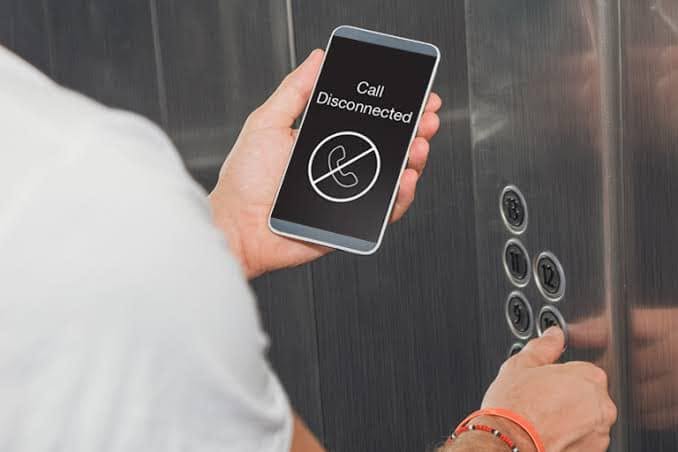
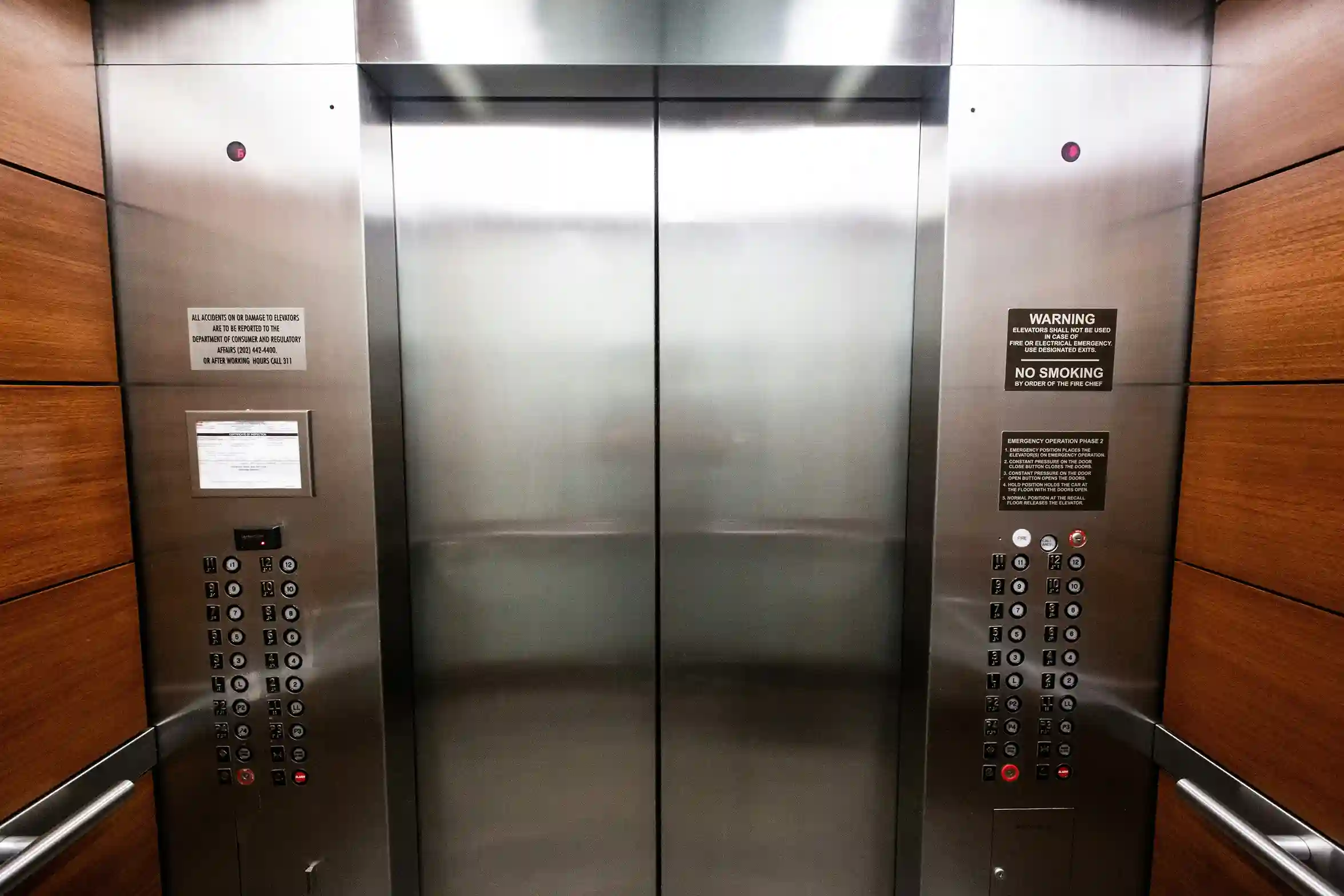
Answering the common high-tech property complaint, why do we lose signal in elevators, requires looking at basic electromagnetic radiation principles. Mobile phone networks experience total signal loss inside modern elevators because the interlocking steel walls create a highly effective Faraday cage. This solid metallic shell blocks, reflects, and absorbs external radio frequency waves, cutting off passenger communication channels completely. In our fifteen years of field engineering experience in Hyderabad, upgrading commercial hoistways with signal boosters prevents these sudden connection drops.
We often see real estate developers blame local cellular tower companies when tenants complain about dropped mobile phone calls. We know that structural concrete elevator shafts and steel cabin frames create an nearly impenetrable barrier for high-frequency 5G networks. Selecting appropriate distributed antenna networks or architectural glass cabins ensures your passengers maintain uninterrupted data connections while traveling between floors. Property developers must plan these wireless communication integration paths early during layout design stages to protect tenant satisfaction levels.
Elevator Signal Loss Definition: Passengers lose mobile network connectivity inside elevators because the thick structural concrete hoistways and enclosed sheet-steel cabins act as electromagnetic blocks known as Faraday cages, which completely deflect arriving cellular radio waves.
Analyzing total system signal disruption requires tracking both external structural obstacles and internal cabin panel materials. When an elevator car enters a thick reinforced concrete shaft, the dense building materials absorb remaining wireless network energy. In fact, deep basement lift corridors can reduce cellular signal strengths by more than ninety percent. Installing internal communication access nodes and fiber-optic backbone wiring resolves this hidden dead zone, protecting facility teams from constant tenant complaints.

Why Mobile Signal Loss Matters for Hyderabad Office Complexes
The continuous growth of premium corporate office parks across commercial zones requires developers to provide seamless wireless coverage everywhere. Modern business professionals use their mobile devices constantly to participate in video conferences, send files, and manage remote operations. Experiencing a sudden dropped call inside a slow passenger lift disrupts business workflows and frustrates high-value corporate tenants. Installing high-speed vertical transit networks that support clear wireless signals protects building asset values and maintains high occupancy rates.
Furthermore, regional property developments must maintain clear emergency communication lines to meet local regulatory guidelines. When a municipal power grid fails during a summer storm, trapped passengers must be able to call for assistance immediately. Field data shared by regional vertical transit authorities like Exfol Friends Elevators Pvt. Ltd. shows that seventy percent of older commercial buildings lack adequate emergency cabin signals. Addressing these structural signal blocks helps property managers comply with the safety rules of the Telangana Lifts Act.
How Lift Shielding Systems Cause Cell Phone Interference
- The Incoming Radio Wave Hits the Outer Steel Shell: External cellular networks transmit high-frequency radio waves that hit the solid steel panels of the moving elevator cabin.
- The Metal Panels Scatter the Wireless Energy: The conductive metal surfaces redirect the incoming radio frequencies away from the cabin interior, causing severe signal dropouts.
- The Thick Concrete Hoistway Walls Absorb Remaining Signals: Heavy reinforced concrete structural walls block out any residual cellular tower waves that manage to enter the shaft.
- The Counterweight Assembly Blocks the Line of Sight: Moving steel counterweights pass close to the cabin body, adding to the electrical interference inside the shaft.
- The High-Speed Travel Speed Changes Tower Targets: Fast vertical transit forces mobile phones to hop between cell towers too quickly, causing network processing errors.
- The Internal Light Fixtures Create Electronic Noise: Low-grade cabin LED power supplies can emit subtle electromagnetic frequencies that further degrade weak phone signals.
- The Certified Communication Team Deploys Coaxial Feeder Cables: Technical crews install heavy coaxial cables inside the hoistway to deliver clean cellular data signals to passengers.
Technical Comparison of Wireless Signal Remedies inside Elevator Shafts
| Signal Boosting Solution | Average Performance Improvement | Structural Equipment Footprint | Ideal Telangana Building Applications |
| Distributed Antenna System | 45 dB to 60 dB Signal Gain | Requires dedicated floor rack space and hoistway remote units | Premium IT parks, luxury hotels, and large commercial towers |
| Passive Leaky Coaxial Cable | 25 dB to 40 dB Signal Gain | Uses a continuous flexible line fixed along the shaft wall | Medium-rise residential buildings and retail shopping complexes |
| Bi-Directional Amplifier | 30 dB to 50 dB Signal Gain | Compact wall-mounted amplifier box inside the top control room | Low-rise office blocks, deep basements, and private luxury villas |
Distributed Antenna Systems (DAS)
Distributed Antenna Systems represent the premier engineering answer for solving signal loss in high-traffic office environments, utilizing a network of small antennas throughout the building. This setup routes live cell signals from multiple major telecom carriers through fiber-optic cables directly into the elevator shaft. This approach removes signal dropouts completely, giving passengers perfect 5G data speeds even while moving through deep basement floors. While DAS setups require a higher initial investment, their excellent reliability makes them the preferred choice for premium corporate spaces.
Passive Leaky Coaxial Cable Networks
Leaky coaxial cable setups use a specially designed flexible cable with small slots cut along its outer shielding to release signals. Engineers run this specialized cable vertically down the entire length of the elevator shaft to emit a steady curtain of radio frequency energy. The moving elevator cabin picks up these close-range signals easily, avoiding the Faraday cage blockages that affect external cell towers. This solution is highly reliable, easy to maintain, and requires no complex electronic components inside the moving elevator car.
Bi-Directional Amplifier (BDA) Units
Bi-Directional Amplifiers look for weak wireless network signals on the building roof, boost their strength using electronic amplifiers, and rebroadcast them into dead zones. Technicians place a heavy-duty broadcasting antenna at the top of the elevator shaft to send the boosted signal down through the cabin roof. This mechanical setup is an excellent, cost-effective upgrade for existing residential apartments experiencing poor cell coverage. BDA devices require careful calibration during routine service visits to prevent signal feedback loops from disrupting nearby cell networks.
Key Benefits of Solving Elevator Signal Dropouts
- Improves Emergency Passenger Safety: Maintaining strong cell signals allows trapped passengers to call emergency services directly if a power failure stops the lift.
- Boosts Corporate Building Asset Values: Providing uninterrupted wireless coverage makes commercial properties highly attractive to international tech firms and premium tenants.
- Ensures Compliance with Modern Safety Laws: Meeting the communication guidelines of the National Building Code (NBC) helps properties pass official safety reviews.
- Reduces Passenger Mobile Battery Drain: Preventing phones from constantly searching for weak signals inside the lift saves passenger device battery life.
Lift Signal Misconception: The most common misconception is that elevator signal loss is caused by the vertical movement of the lift car, when in reality, the signal dropout is caused entirely by the thick steel and concrete materials blocking radio waves even when the car is parked completely still.
We often speak with facility managers who believe that slowing down their passenger lifts will help tenants maintain better cell phone connections during trips. However, because a solid steel cabin acts as a continuous Faraday cage, mobile signals remain blocked whether the car is flying between floors or sitting idle at the lobby. Installing dedicated communication hardware inside the hoistway is the only reliable way to fix these wireless dead zones. Using proper signal solutions keeps building communication channels clear, reliable, and compliant with local property development standards.

Field Engineering Case Studies: Eliminating Wireless Dead Zones
Commercial IT Tower Upgrades: Gachibowli
A tech park management board in Gachibowli contacted our division after several corporate tenants threatened to break their leases due to constant dropped calls inside the main lifts.
[ Solid Steel Lift Cabin ] ──► Complete Faraday Cage Block ──► Dropped Calls & Tenant Complaints
[ Hoistway DAS Antenna ] ──► Continuous Wireless Streams ──► Perfect 5G Data & Happy Corporate Tenants
Our field team carried out a comprehensive radio frequency audit and found that cell signals dropped to zero the moment the elevator doors closed. We mounted a high-power Distributed Antenna System inside the upper shaft and linked it to the building’s main fiber-optic line. This change brought reliable, high-speed 5G data signals into every moving lift car, resolving the dropped call issues instantly. The corporate park now delivers seamless wireless coverage, helping the property management team maintain a one hundred percent tenant retention rate.
Residential Apartment Modernization: Kondapur
A resident welfare association in Kondapur wanted to upgrade their high-rise lifts to ensure elderly residents could make cell phone calls during emergency power outages.
The building’s thick concrete elevator shafts blocked out local cellular towers completely, creating unsafe wireless dead zones across all fifteen floors. We installed a cost-effective bi-directional amplifier system on the roof and ran a continuous leaky coaxial cable down the side of the lift shaft. This setup delivered stable, clear mobile coverage inside the moving cars without requiring any expensive changes to the existing cabin structures. The community now enjoys reliable emergency communication channels that fully comply with the latest updates to the Telangana Lifts Act.
FAQs: Understanding and Fixing Elevator Cell Phone Signal Issues
1. Why do we lose signal in elevators even when the building has great cell coverage?
The solid steel panels used to build elevator cabins create a Faraday cage that reflects and blocks arriving cellular radio waves completely.
2. Can installing a Distributed Antenna System fix mobile phone dropouts inside high-rise lifts?
Yes, a DAS network routes carrier signals through fiber-optic cables directly into the shaft, providing clear wireless coverage across all floors.
3. Does the concrete used in elevator shafts contribute to mobile signal blocks?
Yes, dense reinforced concrete walls absorb remaining radio wave energy, making it very difficult for external cell tower signals to reach the lift car.
4. Do mobile phone batteries drain faster when riding inside un-amplified elevator cabins?
Yes, mobile phones use maximum power trying to find a network connection inside steel shafts, which drains batteries quickly.
5. Is a leaky coaxial cable system an effective solution for medium-rise apartment lifts?
Yes, running a slotted leaky coaxial cable down the shaft creates a steady curtain of signal that easily passes through the elevator cabin.
6. Do modern panoramic glass elevators suffer from the same total signal loss as steel cars?
Glass elevators experience fewer signal dropouts because glass allows radio waves to pass through much better than solid sheet steel panels.
7. Does the National Building Code require properties to provide emergency communication inside lifts?
Yes, the National Building Code (NBC) outlines clear safety rules that require reliable emergency communication systems inside passenger lifts.
8. Can low-grade cabin LED lights cause extra cell phone interference inside elevators?
Yes, cheap LED power supplies can emit subtle electrical noise that disrupts weak cellular network connections inside enclosed metal shafts.
Establishing Reliable Connectivity Across Modern Vertical Assets
Resolving elevator signal loss protects passenger safety, enhances building convenience, and keeps your properties attractive to modern businesses and residents. Using proper hoistway antennas and leaky coaxial cables eliminates wireless dead zones without requiring costly changes to your lift machinery. Investing in code-compliant communication setups ensures your vertical transportation assets remain safe, functional, and fully certified under local building laws.
Consulting with licensed vertical transit engineers helps property owners inspect their buildings and select the most effective signal optimization strategies. For complete radio frequency audits, hoistway communication designs, or official safety code inspections across Telangana, consider reaching out to the expert team at Exfol Friends Elevators Pvt. Ltd. Real estate developers, commercial facility managers, and residential community boards can contact the regional office of Exfol Friends Elevators Pvt. Ltd., Hyderabad, Telangana via Exfol Friends Elevators to schedule an on-site signal inspection or book a technical consultation today.


Leave a Comment