
Table of Contents
What Is the ISO Standard for Elevators? Global Codes & Indian Compliance Guide
The primary global standard governing elevators is the ISO 8100 series, supplemented by the ISO 22559 series for safety requirements. Asking what is the ISO standard for elevators leads directly to ISO 8100-1 and ISO 8100-2, which define passenger elevator design, structural calculation rules, and safety component testing. Internationally, these standards establish universal benchmarks for passenger lifts, freight elevators, and escalators. In India, the Bureau of Indian Standards (BIS) harmonizes these global frameworks through codes such as IS 17900 and IS 14665 to govern safety and engineering quality.
In our 15+ years of field experience in Hyderabad, we frequently observe property developers and facility managers attempting to align architectural layouts with international specifications. Understanding how ISO benchmarks translate into local statutory frameworks simplifies equipment sourcing, speeds up municipal approvals, and safeguards building occupants across Telangana.

What Is the ISO Standard for Elevators?
What is the ISO standard for elevators refers to the ISO 8100 series (specifically ISO 8100-1 and ISO 8100-2) and ISO 22559. These global specifications define lift design principles, risk assessment methodologies, structural load calculations, and safety component certifications. They ensure global manufacturing consistency, passenger safety, and energy efficiency across passenger and freight vertical transportation.
                    ISO & INDIAN STANDARDS INTEGRATION
┌──────────────────────────────────────┐    ┌──────────────────────────────────────┐
│  • ISO 8100-1 / 8100-2               │    │  • Bureau of Indian Standards (BIS)  │
│    Global Lift Design & Safety Rules │    │    IS 17900 & IS 14665 Codes          │
├──────────────────────────────────────┼──────────────────────────────────────┤
│  • ISO 22559 Series                  │    │  • Telangana Lifts Act Compliance    │
│    Global Essential Safety (GESRs)   │    │    CEIG Form-A & Form-B Permits      │
└──────────────────────────────────────┘    └──────────────────────────────────────┘
The International Organization for Standardization (ISO) created the ISO 8100 family by harmonizing major regional codes, including European EN 81 standards. ISO 8100-1 covers safety rules for the construction and installation of passenger and goods-passenger lifts. ISO 8100-2 specifies design calculations, examinations, and tests for lift components like overspeed governors, safety gears, and door locks.
Why ISO Elevator Standards Matter in Hyderabad
Rapid urbanization across commercial corridors like HITEC City, Financial District, and Gachibowli has dramatically increased high-rise construction density. Installing certified equipment prevents premature mechanical wear, reduces emergency callouts, and minimizes building liability.
+-----------------------------------------------------------------------+
|                    LOCAL FIELD COMPLIANCE MATRIX                      |
+-----------------------------------------------------------------------+
|  1. Engineering Sourcing --> ISO 8100 certified motors & controllers   |
|  2. Domestic Safety Code--> BIS IS 17900 & IS 14665 manufacturing     |
|  3. Regional Regulation --> Telangana Lifts & Escalators Act (CEIG)   |
|  4. On-Site Inspection  --> Form-A Erection Permit & Form-B License    |
+-----------------------------------------------------------------------+
Local engineering practice requires combining global ISO manufacturing rules with state-level statutory codes. Equipment imported or assembled in India must meet both ISO quality parameters and the Telangana Lifts, Escalators, and Passenger Conveyors Act. Reputable local providers, such as Exfol Friends Elevators, ensure imported and domestic components meet both ISO technical benchmarks and local Chief Electrical Inspectorate to the Government (CEIG) safety licensing protocols.
How ISO Elevator Standardization Works
Implementing ISO standards across an elevator project involves a structured multi-stage procedure to ensure complete compliance.
+-----------------------------------------------------------------------+
|                  ISO COMPLIANCE IMPLEMENTATION STEPS                  |
+-----------------------------------------------------------------------+
|  Step 1: Traffic Analysis & Shaft Sizing                              |
|  Step 2: Equipment Sourcing & Factory Certification Audits            |
|  Step 3: Hoistway Integration & Guide Rail Alignment                  |
|  Step 4: Installation of Certified Safety Electronics                 |
|  Step 5: Dynamic Load Testing & Overspeed Tripping                    |
|  Step 6: CEIG Inspection & Final Operating Licensing                  |
+-----------------------------------------------------------------------+
- Traffic Analysis & Shaft Sizing: Engineers assess building population, peak travel times, and cabin footprint parameters according to ISO 8100-30 layout recommendations.
- Factory Component Certification: Component manufacturers supply ISO 8100-2 test certificates for safety gears, door locks, buffers, and progressive braking devices.
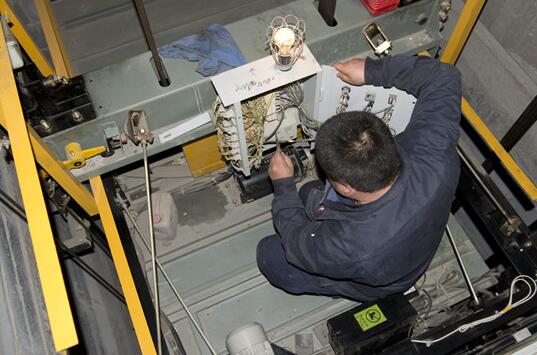
- Precision Civil Hoistway Integration: Installation teams align vertical guide rails using laser measurement systems to ensure car stability and vibration-free travel.
- Safety Electronics Installation: Technicians install micro-processor controllers, Variable Voltage Variable Frequency (VVVF) drives, and light curtain sensors designed to international safety standards.
- Static and Dynamic Load Testing: Supervisors load the elevator cabin to 125% of rated capacity to test structural integrity, brake holding power, and emergency stopping mechanisms.
- Statutory CEIG Clearance: Local inspectors audit the physical installation against state safety codes before issuing an official operating permit.
ISO Elevator Standard Variations and Component Categories
Different ISO standards focus on specific areas of vertical transportation design, testing, and environmental performance:
| ISO Standard Reference | Key Operational Scope | Primary Application |
| ISO 8100-1:2019 | Design & safety rules for passenger lifts | High-rise commercial, residential, & hospital lifts. |
| ISO 8100-2:2019 | Component test & calculation rules | Safety gear, governors, oil buffers, & door interlocks. |
| ISO 25745-2:2015 | Energy performance & efficiency rating | Energy Class A+ to G classification for green buildings. |
| ISO 8100-30:2019 | Class I, II, III, & VI elevator dimensions | Standardizing car dimensions, shaft footprints, & doors. |
| ISO 22559-1:2014 | Global Essential Safety Requirements (GESRs) | Framework for international safety harmonizations. |
ISO 8100 Series (Safety and Structural Design)
ISO 8100 replaced several older regional codes by establishing a single international framework. It sets clear limits for cabin wall strength, glass panel impact resistance, pit clearance buffer distances, and overhead safety clearances.
ISO 25745 Series (Energy Conservation and Efficiency)
ISO 25745 measures standby power consumption and dynamic operational energy usage. It provides the official testing methodology used to certify energy ratings in modern green buildings across Telangana.
Key Benefits of Adopting ISO Elevator Standards
Adopting ISO standards yields measurable operational and financial benefits for property owners in Hyderabad:
- Enhanced Occupant Safety: Stricter door sensor rules and dual-brake mandates reduce mechanical risks and prevent unscheduled cabin movements.
- Lower Lifecycle Operating Costs: ISO 25745 energy-rated gearless drives cut power consumption by up to 40% compared to legacy geared traction machines.
- Simplified Spare Parts Availability: Standardized component dimensions simplify maintenance and ensure replacement parts remain available throughout the elevator’s service life.
- Faster CEIG Regulatory Approvals: Standard-compliant documentation speeds up statutory inspection processing under the Telangana Lifts Act.
Common Mistakes and Misconceptions
Snippet Definition: A common misconception when asking what is the ISO standard for elevators is assuming that an ISO 9001 factory certificate guarantees elevator safety. ISO 9001 applies only to corporate management systems, whereas elevator equipment safety requires specific compliance with ISO 8100, IS 17900, or EN 81 equipment safety codes.
                 ISO 9001 VS. ISO 8100 COMPLIANCE DIFFERENCE
┌──────────────────────────────────────┐    ┌──────────────────────────────────────┐
│  • ISO 9001: Quality Management      │    │  • ISO 8100 / IS 17900: Equipment    │
│    Certifies business processes      │    │    Certifies physical components,    │
│    Does NOT certify lift safety      │    │    mechanical strength & safety      │
└──────────────────────────────────────┘    └──────────────────────────────────────┘
Many facility managers make the mistake of buying equipment based solely on an ISO 9001 supplier certificate. During field audits in locations like Kondapur and Kukatpally, our team occasionally uncovers imported lifts missing vital component test certificates for safety gears or overspeed governors. Always verify equipment-specific test reports under ISO 8100-2 or BIS IS 17900 before finalizing procurement contracts.
Real-World Field Scenarios in Hyderabad
Commercial IT Park (HITEC City)
A developer constructing an 18-story office tower installed eight 16-passenger gearless elevators certified to ISO 8100-1 and rated Energy Class A under ISO 25745-2. The installation featured destination dispatch controllers and optical safety curtains, helping the building secure Indian Green Building Council (IGBC) certification and achieve rapid CEIG licensing.
Residential Villa Community (Jubilee Hills)
A luxury residential project required compact home lifts capable of operating on standard single-phase power within tight architectural cutouts. The developer selected Machine Room-Less (MRL) gearless lifts compliant with BIS IS 17900 (derived from international ISO safety guidelines). The installation delivered smooth, ultra-quiet performance (<48 dB) and required zero modifications to the structural layout.
Frequently Asked Questions
What is the exact ISO standard for passenger elevators?
The primary ISO standard for passenger elevators is ISO 8100-1, which defines safety rules for construction and installation. It is supported by ISO 8100-2 for component testing and calculation methods.
How does ISO 8100 relate to European EN 81 standards?
ISO 8100 was developed directly from the EN 81-20 and EN 81-50 standards, creating a single unified global benchmark for elevator design, component testing, and passenger safety.
What is the Indian equivalent of the ISO 8100 elevator standard?
The Bureau of Indian Standards harmonized ISO 8100 and EN 81 principles into IS 17900, which now governs modern residential and commercial elevator safety across India.
Is ISO certification mandatory for residential lifts in Telangana?
While state law enforces compliance with the Telangana Lifts Act and BIS standards, utilizing ISO 8100 certified equipment ensures easier approval during CEIG Form-B licensing audits.
What ISO standard rates elevator energy efficiency?
ISO 25745-2 evaluates and classifies elevator energy performance, assigning energy rating labels ranging from Class A+ (most efficient) to Class G.
Does ISO 9001 certification mean an elevator is safe?
No. ISO 9001 certifies a manufacturer’s general quality management processes, not the physical safety or mechanical integrity of the elevator equipment itself. Equipment safety requires compliance with ISO 8100 or BIS IS 17900.
What is ISO 22559 in the elevator industry?
The ISO 22559 series specifies Global Essential Safety Requirements (GESRs) for lifts, providing a universal framework for risk assessment and safety engineering worldwide.
How do ISO standards affect elevator maintenance requirements?
ISO standards establish guidelines for component durability, diagnostic interfaces, and maintenance access clearance, making routine servicing safer and more predictable for certified field technicians.
Consulting Certified Elevator Experts in Hyderabad
Understanding global ISO elevator standards helps property developers, architects, and facility managers make informed decisions regarding vertical transportation design, safety compliance, and operational efficiency. Aligning international manufacturing standards with local statutory requirements ensures reliable elevator performance throughout the building’s lifecycle.
For expert advice on elevator design, safety audits, and statutory compliance across Telangana, consult the engineering specialists at Exfol Friends Elevators.


Leave a Comment