

Table of Contents
Architectural Capital Upgrades: What Is Included in an Elevator Modernization?
Understanding exactly what is included in an elevator modernization allows property developers, asset managers, and corporate facility operators across Telangana to extend the lifespan of their vertical transport assets. Aging infrastructure inevitably suffers from mechanical fatigue, slow floor-to-floor cycle times, and frequent electrical faults. By methodically upgrading outdated sub-systems, you avoid the extensive structural disruptions and high capital costs associated with a complete lift replacement.
In our fifteen years of engineering fieldwork across Hyderabad, we have audited, disassembled, and retrofitted hundreds of vertical transit systems. We often see asset managers mistake simple cosmetic cabin renovations for systemic mechanical updates.
Determining what is included in an elevator modernization requires a complete technical assessment of your microprocessors, safety circuits, and hoisting machinery. Your chosen scope affects building safety, operational energy draw, and regulatory compliance. This technical publication outlines the critical components, engineering workflows, and statutory safety frameworks that govern the modern lift overhaul process.

Core Engineering Definitions and System Components
What is included in an elevator modernization process for aging buildings?
An elevator modernization includes upgrading the microprocessor-based controller panel, replacing the old hoisting motor with a variable voltage variable frequency (VVVF) drive, updating the mechanical safety gear, installing new door operators, and modernizing the signal fixtures and traveling cables to meet current building safety codes.
+-----------------------------------------------------------------------+
|                    ELEVATOR MODERNIZATION ARCHITECTURE                |
+-----------------------------------------------------------------------+
| INTERNAL BRAIN & DRIVE SYSTEMS     | MECHANICAL SAFETY & INTERFACES   |
| - Microprocessor Controller Panel  | - Rail Safety Gear & Buffers     |
| - VVVF Inverter & Hoisting Motor   | - Door Operators & COP Fixtures  |
+-----------------------------------------------------------------------+
Evaluating what is included in an elevator modernization involves reviewing the primary mechanical and electrical assemblies rather than basic aesthetic elements. The control system serves as the primary operational brain of your vertical transportation infrastructure.
Updating this assembly dictates how smoothly the system accelerates, handles passenger calls, and manages power consumption. Replacing obsolete relay-logic frameworks with solid-state computer systems ensures your lift operates reliably and passes strict municipal safety checks.
Why System Modernization Matters in Hyderabad’s Commercial Hubs
The rapid vertical expansion of technology parks and high-density residential towers across Hyderabad places immense strain on older lifting equipment. Key development sectors like Hitech City, Gachibowli, and Kondapur contain thousands of multi-story structures with lifts approaching critical wear limits. Property managers must keep these vertical transport systems performing efficiently to avoid building congestion and protect occupant safety.
Local building compliance frameworks place rigorous operational demands on older properties. Every modernized elevator installation must satisfy the National Building Code (NBC) guidelines and line up with the technical provisions of the Telangana Lifts, Escalators and Moving Walkways Act.
Furthermore, residential and commercial properties monitored under the Telangana State Real Estate Regulatory Authority (TSRERA) must maintain verified inspection logs to keep their commercial property titles valid.
Technical metrics released by local field service providers like Exfol Friends Elevators Pvt. Ltd. show that full controller and drive updates reduce mechanical downtime by up to 72%. Retaining old, slow control logic patterns causes severe dispatch delays during peak office hours. Investing in a targeted modernization program allows building owners to improve baseline safety, reduce power costs, and ensure full alignment with regional safety laws.
The Step-by-Step Modernization Execution Workflow
Upgrading an active multi-story vertical transit system demands a precise, sequence-driven engineering protocol:
- Conduct a Rigorous Mechanical and Electrical Diagnostic System Audit Engineering crews test the insulation on your lines, evaluate machine gear wear, and check electrical circuits. These diagnostic tests reveal which parts need replacement and which can be retained.
- Draft the Complete Engineering Specification and Electrical Blueprints Designers map out the new solid-state microprocessor layout, select compatible motor assemblies, and draft modified wiring layouts for the existing lift shaft.
- Secure Official Structural Approval from the Regional Telangana CEIG Office Your engineering partner files detailed circuit schematics, braking capacities, and automatic rescue layouts with the state electrical inspectorate to clear local safety codes.
- Isolate the Elevator Shaft Space and Dismantle Outdated Hardware Assemblies Technicians lock down the work area, disconnect the primary power feed, and remove the obsolete controller panel, old wiring networks, and worn hoisting motors.
- Position the Solid-State Microprocessor Controller and Align the Main Drive Motor Crews install the new central computer panel, mount the high-efficiency VVVF drive, and align the motor assembly on the existing machine room floor beams.
- Rewire the Complete Hoistway and Install New Flexible Traveling Cables Electricians pull new flame-retardant cables down the shaft, position precision limit switches, and connect the cabin lines to the main control panel.
- Mount Advanced Door Operators and Install Infrared Curtain Sensors Technicians replace the old mechanical door linkages with smooth, variable-speed electric operators and install full-height light curtains to improve passenger safety.
- Execute Full-Load Emergency Safety Operational Tests to Secure a Permit State inspectors run complete dead-weight drops, verify overspeed governor trips, and check the automatic rescue loops to issue an official operating license.
Technical Classifications of Elevator Modernization Packages
               [ Engineering Modernization Options ]
                                 |
         +-----------------------+-----------------------+
         |                       |                       |
         v                       v                       v
[ Component Retrofit ]     [ Full System Overhaul ]    [ Cosmetic Upgrades ]
 - Smart Controller Swap    - Total Machine Swap        - Cabin Wall Cladding
 - VVVF Drive Tuning        - Rail Safety Rebuild       - LED Lighting Arrays
- Retains Cab Shell - Complete Shaft Rewire - COP Button Fixes| Modernization Package Tier | Components Typically Replaced | Operational Downtime Required | Primary Performance Objective |
| Component-Level Retrofit | Controller panel, VVVF drive, traveling cables | 5 to 7 Working Days | Eliminates intermittent electrical faults and cuts energy draw |
| Full Systematic Overhaul | Complete hoisting machine, controller, safety gear, door systems | 12 to 15 Working Days | Restores system reliability and ensures full compliance with local laws |
| Cosmetic & Interface Update | Car operating panel (COP), wall panels, ceilings, landing indicators | 2 to 3 Working Days | Modernizes visual appeal and updates building accessibility |
Component-Level Retrofit
A component-level retrofit targets the primary electrical systems of your lift without disturbing the heavy structural steel rails or the cabin shell. Engineers swap out the obsolete controller panel for a microcomputer controller and install an energy-saving VVVF inverter loop. This update improves leveling accuracy at floor landings, shortens travel times, and eliminates sudden electrical shutdowns.
Full Systematic Overhaul
A full systematic overhaul replaces nearly every moving component in your lift shaft, leaving only the primary guide rails and counterweight frames in place. Technicians install a new gearless traction machine, replace the complete hoistway wiring, and rebuild the lower safety buffers and car braking mechanisms. This thorough upgrade converts an old elevator into a reliable, modern system that satisfies current building codes.
Cosmetic & Interface Update
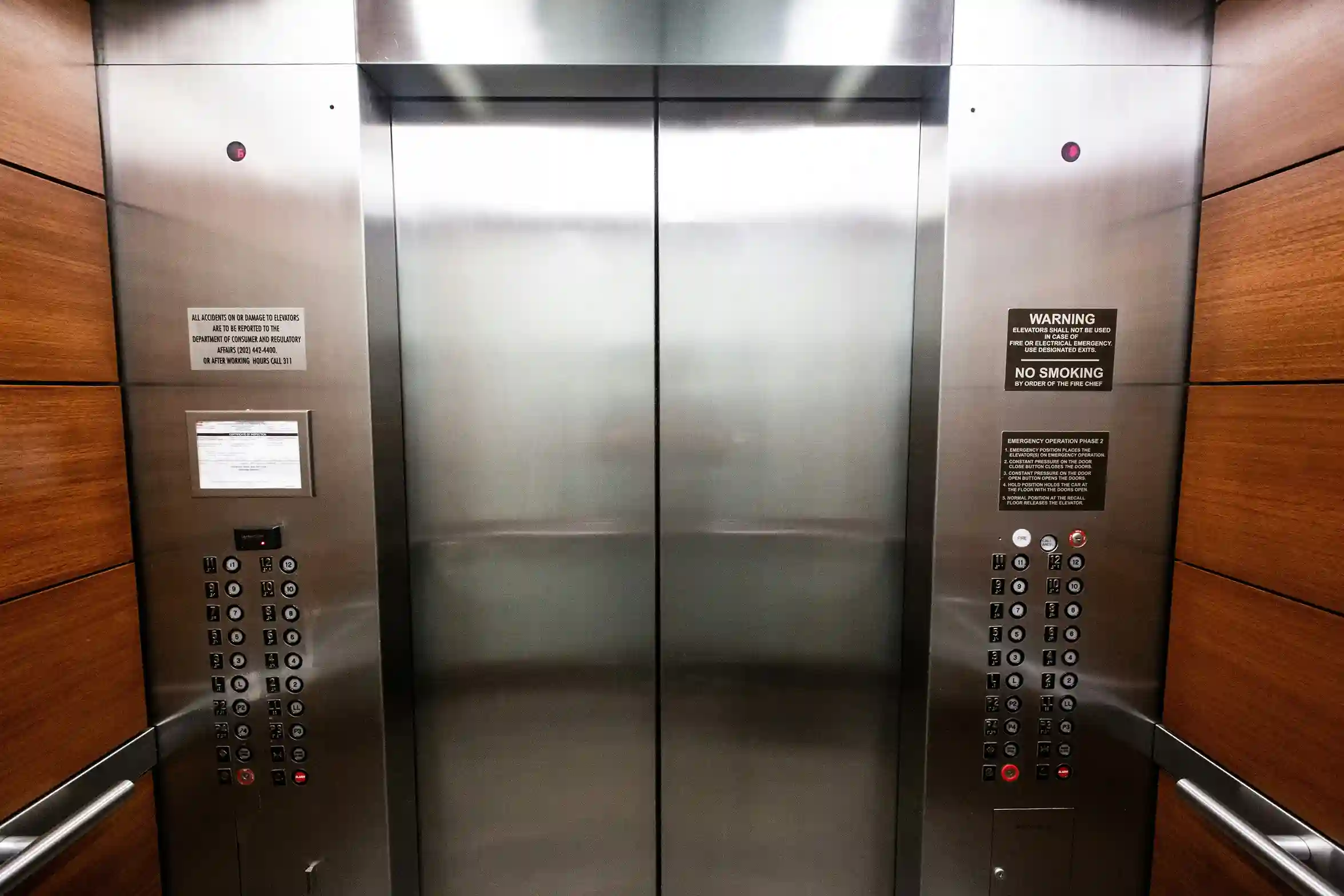
A cosmetic upgrade focuses on refreshing passenger touchpoints and visual elements rather than structural mechanics. Crews replace outdated mechanical buttons with micro-motion buttons, add scrolling floor indicators, install clear LED lighting arrays, and mount durable stainless steel wall panels. This update improves the passenger experience and ensures the elevator matches modern building interior designs.
Core Long-Term Advantages of Capital Modernization Programs
Substantial Energy Savings and Reduced Building Operating Costs
Integrating a modern VVVF drive reduces elevator power consumption by up to 45% because the motor draws energy only when required and optimizes current use during acceleration.
Compliance with Modern Municipal Safety Codes and Regional Legislation
An elevator modernization adds mandatory safety systems, including an automatic rescue device (ARD) and an overspeed governor, protecting your building from code violations.
Enhanced Rider Comfort and Superior Floor Leveling Accuracy
Upgraded control systems manage acceleration curves smoothly, eliminating jerky movements and ensuring the elevator cabin stops perfectly flush with building floor slabs.
Lower Building Maintenance Costs and Fewer System Faults
Replacing worn mechanical components with solid-state electronics reduces wear on your machinery, cutting down on expensive service calls and regular replacement part costs.
Crucial Execution Misconceptions and Structural Realities
Can an elevator modernization be executed without encountering complete building transit downtime?
No, you cannot modernize a lift without experiencing full system downtime because replacing core control panels, rewiring shafts, and aligning main motors requires engineers to take the cabin completely offline to complete structural work safely.
             [ Misconception: Interruption-Free Overhaul ]
                                   |
         +-------------------------+-------------------------+
         |                                                   |
         v                                                   v
[ Disconnects Safety Loops ]                        [ Removes Hoisting Motor ]
         |                                                   |
         +-------------------------+-------------------------+
                                   |
                                   v
             [ Requires Temporary Shutdown of the Shaft ]
We often encounter building committees who believe technicians can complete an elevator overhaul after hours without disrupting daily building traffic. In practice, updating major assemblies like the main controller or traveling cables requires technicians to work inside the shaft for several consecutive days. If your property relies on a single elevator, you must arrange alternative accessibility routes well before structural work begins.
Field Implementation Case Studies in Greater Hyderabad
Commercial High-Rise Update: Hitech City Corporate Park
A ten-story office building in Hitech City was experiencing severe transit delays during peak morning entry hours due to slow, outdated relay-based lift programming.
+-----------------------------------------------------------------------+
|                    HITECH CITY COMMERCIAL REBUILD PROFILE             |
+-----------------------------------------------------------------------+
| 10-Stop Commercial Office Elevator Suffering Peak-Hour Dispatch Lags  |
|                                                            |          |
|                                                            v          |
| Integrate a Microprocessor Dispatch Controller and Dynamic VVVF Inverter|
|                                                            |          |
|                                                            v          |
| Cuts Floor Wait Times by 38% and Eliminates Morning Traffic Jams      |
+-----------------------------------------------------------------------+
Our compliance engineers performed a traffic analysis and implemented a component-level retrofit. We installed a modern microprocessor group controller and a dynamic VVVF inverter system. This update reduced average floor wait times by 38% and eliminated morning congestion, restoring smooth vertical traffic without requiring an expensive replacement of the main structural frames.
Residential Villa Refurbishment: Gachibowli Gated Estate
The owner of a premium multi-story villa in Gachibowli wanted to update a fifteen-year-old hydraulic home lift that was stopping unevenly and leaking fluid at the base valve seals.
Our technical team completed a full mechanical overhaul by installing a modern, oil-free gearless machine-roomless (MRL) drive unit inside the existing vertical shaft footprint. We removed the worn hydraulic pump, pulled new flame-retardant wiring through the hoistway, and fitted advanced door operators with full-height light curtains. The system easily cleared the local state CEIG safety audits, giving the villa owner a quiet, energy-efficient elevator that operates safely.
Frequently Asked Questions
1. What is included in an elevator modernization for an older residential apartment?
A standard residential apartment modernization includes replacing the old controller, mounting a new VVVF drive motor, pulling new traveling cables, and updating landing indicators.
2. How many days of operational downtime should a building expect during a full modernization?
A comprehensive structural and electrical elevator overhaul typically requires 12 to 15 working days of dedicated on-site engineering access to finish safely.
3. Will a component-level modernization help reduce our building’s monthly electricity bills?
Yes, installing a modern solid-state controller paired with a high-efficiency VVVF drive reduces system energy consumption by 35% to 45%.
4. Is installing an automatic rescue device mandatory during an elevator upgrade in Telangana?
Yes, the Telangana Lifts Act requires all modernized passenger elevators to include a functional, battery-powered Automatic Rescue Device (ARD) to protect riders during power outages.
5. What main signs indicate that a commercial elevator requires a mechanical modernization?
Key indicators include frequent code-shutdown faults, leveling errors at floor landings, high power consumption, loud operational noises, and rising monthly maintenance expenses.
6. Can we retain our existing elevator cabin shell during a major mechanical modernization?
Yes, if your structural steel cabin frame remains sound and free of rust, engineers can retain it and focus your budget on upgrading internal machinery.
7. What structural documentation is required to secure a lift operating permit in Hyderabad?
You must submit approved electrical schematics, motor load calculations, structural shaft layout drawings, and a certified installer safety log to the CEIG office.
8. How often should a newly modernized commercial elevator undergo routine safety service?
Modernized commercial elevators should receive preventive maintenance inspections once every calendar month to check safety loops, clean electronic eyes, and check motor systems.

Partnering with a Licensed Local Modernization Authority
Planning a major elevator modernization requires a thorough review of your building’s electrical capacity and structural layout. Choosing cheap, uncertified parts or working with unlicensed teams can cause frequent equipment breakdowns, high power costs, and unexpected compliance fines. Working with a registered engineering firm ensures your upgraded lift runs reliably and satisfies all state safety criteria.
Property developers, corporate facility managers, and residential housing committees across Telangana should collaborate with licensed vertical transit experts who hold active state credentials. Experienced industry practitioners, including the compliance specialists at Exfol Friends Elevators Pvt. Ltd., recommend performing an on-site system audit before settling on a specific upgrade budget. Contact a certified local expert today to arrange a comprehensive hoistway check or request a custom permit consultation for your building project.

Leave a Comment