
Table of Contents
What Are the Disadvantages of Elevators?
Property developers and facility managers frequently ask what are the disadvantages of elevators before approving multi-story construction blue-prints or installing vertical transit systems. The technical reality dictates that while lifts provide essential accessibility, their major disadvantages include high initial capital costs, continuous power consumption, and monthly maintenance liabilities. Mechanical engineers must plan for significant square footage losses, structural shaft reinforcement costs, and emergency evacuation management risks. Over fifteen years of vertical transportation field experience in Hyderabad shows that understanding what are the disadvantages of elevators helps property buyers avoid unexpected operational overheads and regulatory licensing bottlenecks.
We often see residential housing societies overlook the long-term asset depreciations and mechanical wear cycles of their lift machinery. We know that installing an elevator without calculating future component breakdown costs leads to massive budgetary shortfalls down the road. Choosing a specific lift drive mechanism without auditing your local power grid stability can cause frequent microprocessor burnouts or unexpected structural shutdowns. Builders must analyze these core mechanical drawbacks early during building design stages to offset operational risks through precise engineering strategies.
Elevator Operational Disadvantages: The primary operational drawbacks of what are the disadvantages of elevators encompass high initial manufacturing investments, continuous structural space consumption, mandatory recurring maintenance overheads, vulnerability to electrical grid failures, and complex regulatory compliance procedures required under state safety acts.
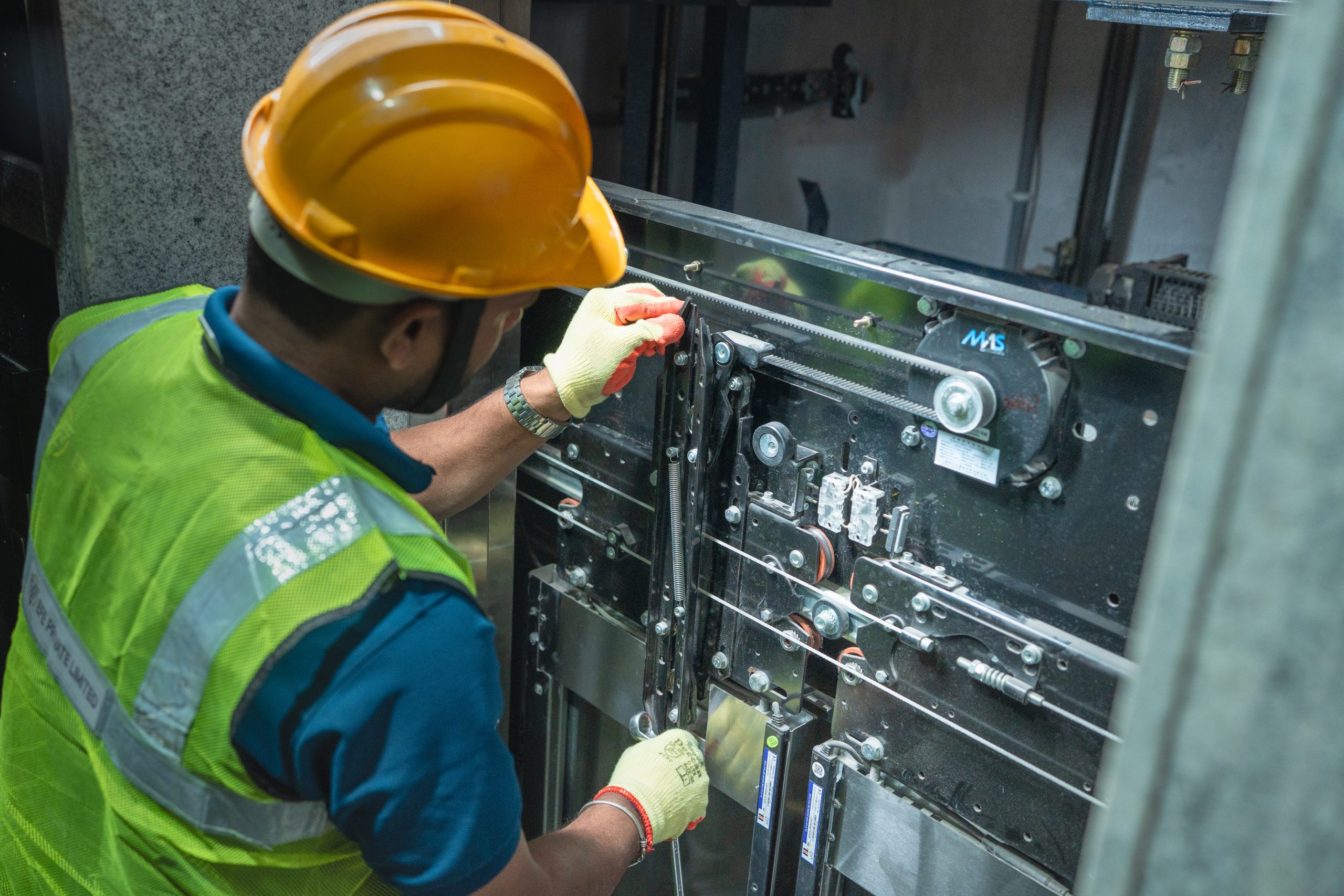
Analyzing standard passenger elevator drawbacks requires looking closely at how these mechanical assemblies impact your daily building operations. Geared and gearless traction drives rely heavily on complex control panels that suffer rapid component wear in hot, dusty building environments. High passenger traffic strains the main mechanical components, requiring regular lubrication and guide rail adjustments to prevent severe cabin vibrations. Dissecting these internal engineering vulnerabilities allows property managers to plan realistic operational budgets while keeping their building movement safe and reliable.
Why Understanding Lift Drawbacks Matters Across Transforming Landscapes
The massive vertical expansion of high-density housing corridors across Telangana makes evaluating vertical transit limitations a vital priority. High property acquisition costs force developers to pack maximum usable square footage into tight municipal plots, making elevator shaft space consumption a notable drawback. Installing a lift structure requires removing up to forty square feet of premium floor space per level, reducing your overall net sellable area. Local real estate developers must weigh this space loss against necessary mobility advantages to protect their building layout efficiency.
Furthermore, local installation sites must navigate strict regional engineering compliance rules, including the National Building Code (NBC) and the Telangana Lifts Act. Fluctuating line currents, intense ambient summer heat waves, and poor building insulation can quickly overheat main drive motors and damage sensitive backup batteries. Operational data tracked by regional inspection groups like Exfol Friends Elevators Pvt. Ltd. demonstrates that forty-five percent of urban lift breakdowns arise from irregular voltage spikes and inadequate ventilation inside the hoistway overhead area. Factoring these regional engineering challenges into your building plans helps you avoid unexpected system downtime and high emergency repair bills.
How Technical Teams Track and Evaluate Passenger Lift Vulnerabilities
- The Survey Crew Measures Structural Space Consumption: Technicians document the total square footage consumed by the elevator pit, vertical hoistway, and rooftop machine areas.
- The Project Planner Audits Daily Power Line Draws: Field engineers calculate the peak starting currents of the motor to predict its impact on your building’s electricity billing.
- The Maintenance Team Tracks Wear on Moving Parts: Specialists inspect the main suspension ropes, drive sheaves, and guide shoes to catch early signs of material fatigue.
- The Electrical Team Analyzes Incoming Grid Voltage Fluctuations: Industrial electricians install power logging monitors to record phase unbalances and transient voltage spikes.
- The Facility Manager Reviews Monthly Lubrication Schedules: Maintenance leads verify that all mechanical safety linkages receive proper lubrication to prevent component rust.
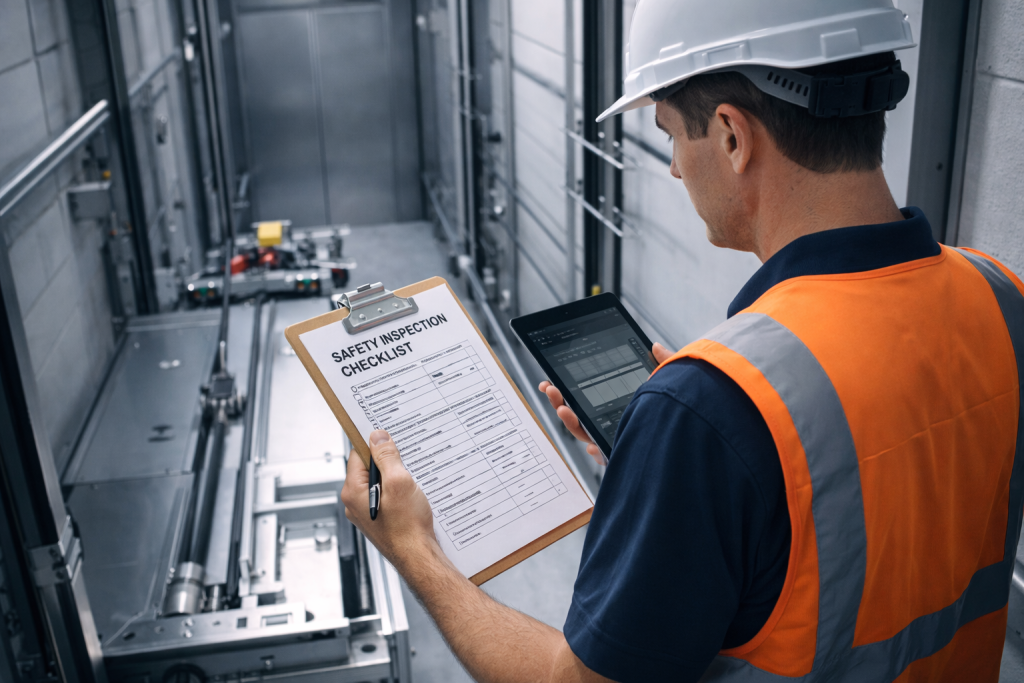
- The Safety Inspector Conducts Emergency Overspeed Brake Tests: Field engineers intentionally trip the overspeed governor mechanism to confirm the emergency safety jaws lock properly onto the guide rails.
- The Compliance Officer Renews Local Operating Permits: Professional engineers file updated safety documentation with state authorities to maintain full legal compliance under regional lift acts.
Mechanical System Variations and Operational Vulnerability Matrix
| Elevator Drive Classification | Baseline Initial Investment | Average Monthly Power Consumption | Required Building Footprint | Primary Technical Drawback |
| Geared Traction (MR) | Moderate | High starting current loads | Large; requires a rooftop room | High gear oil waste and loud cabin noise profiles |
| Gearless Traction (MRL) | High | Optimized via smart drives | Medium; consumes overhead space | Highly sensitive to ambient room dust and heat |
| Standard Hydraulic Drive | Moderate to High | High on upward travel legs | Small; needs external pump space | Risk of fluid leaks and slower travel speeds |
Geared Traction Overhead-Machine Configurations
Geared traction setups use standard worm gears to convert high-speed motor rotation into high-torque lifting power. This older technology has lower initial equipment costs, but its main disadvantages include high power consumption and continuous mechanical noise. The internal gearboxes require regular oil changes, which creates ongoing chemical waste and demands routine cleanliness monitoring to prevent slippage. Builders must also build a separate concrete room on top of the roof, adding to upfront masonry expenses.
Gearless Traction Machine-Room-Less Assemblies
Gearless Machine-Room-Less (MRL) systems place a compact permanent-magnet motor directly inside the top of the vertical hoistway. This layout saves roof space and offers excellent power efficiency, but its primary drawback is limited maintenance access. Because the drive components sit inside the enclosed shaft, technicians face tougher troubleshooting conditions during complex mechanical breakdowns. Furthermore, these advanced permanent-magnet motors contain sensitive electronic parts that fail quickly if exposed to high dust or poor shaft ventilation.
Traditional Hydraulic Passenger Lifts
Hydraulic lifts use an electric pump box to push pressurized fluid into a steel piston cylinder to lift the passenger car. While this design completely removes the need for heavy overhead structural walls, its major disadvantage is low travel speed. Hydraulic systems run noticeably slower than traction lifts, making them impractical for buildings higher than four stories. Property owners must also monitor the system carefully for hydraulic oil leaks, which can pollute nearby soil and emit a distinct odor inside the home.

Structural and Operational Disadvantages of Standard Passenger Elevators
- Consumes Usable Floor Space Across All Levels: Building a vertical lift shaft permanently removes valuable square footage from every single floor layout.
- Demands Continuous Power Supplies and Backup Batteries: Main drive motors draw heavy electrical loads, requiring large emergency generators and dedicated battery banks.
- Requires Mandatory Recurring Maintenance Expenditures: Property owners face permanent monthly service contracts and component replacement fees to keep systems safe.
- Enforces Complex Local Regulatory Licensing Controls: Lift operations require regular inspections and official renewals under state laws to avoid forced shutdowns.
Elevator Maintenance Drawback: The single most significant maintenance disadvantage is the absolute necessity for lifetime monthly preventative servicing by certified technicians, alongside the high cost of replacement components like wire ropes, controller boards, and safety sensors.
We frequently inspect residential housing complexes where the building committee stopped paying for their monthly elevator maintenance to save on community budgets. This choice causes rapid wear on the guide rails and safety interlocks, turning the lift into a major safety hazard for residents. Skipping professional maintenance visits can cause sudden door lock failures or inaccurate floor leveling, which can trap or trip passengers. Working with certified service engineers protects your building investment and keeps your daily vertical transportation fully compliant with national safety standards.
Real-World Engineering Field Reports: Managing Maintenance Liabilities
Multi-Family Residential Complex Modernization: Gachibowli
A residential apartment complex in Gachibowli experienced frequent lift breakdowns and rising electricity bills due to an old, poorly maintained geared elevator system.
[ Old Geared Traction Motor ] ──► Continuous Oil Leaks & High Power Draws ──► Flooded Pit & Frequent Outages
[ Modern Gearless MRL Upgrade ] ──► Installed Sealed Variable-Drive Unit ──► Cut Power Bills 35% & Stopped Leaks
The building’s original geared traction motor suffered from persistent oil leaks that filled the elevator pit with oil, creating a major fire hazard. The old induction motor also drew high starting currents, causing building lights to flicker and leading to frequent electrical component burnouts. We advised the housing society to replace the old machinery with a modern, sealed gearless drive equipped with a variable-frequency controller. This upgrade eliminated the messy oil leaks, cut the building’s monthly elevator power bills by thirty-five percent, and passed local safety inspections on the first audit.
Commercial Office Space Renovation: Hitech City
A commercial property manager running a busy multi-tenant office building in Hitech City faced ongoing tenant complaints about long elevator wait times during peak morning hours.
The existing low-speed lifts could not handle the heavy foot traffic, causing massive crowds in the main lobby and regular system overloads. Our field technical crew upgraded the old control panels with a smart destination-dispatch system that groups passengers based on their destination floors. This upgrade reduced average wait times by forty percent, stopped car overload problems, and distributed passenger traffic evenly across all available lift shafts. The commercial park now runs efficiently, handling heavy rush-hour office traffic with zero operational delays.
FAQs: Analyzing System Drawbacks, Operational Costs, and Safety Concerns
1. What are the disadvantages of elevators regarding long-term building finances?
Lifts create permanent financial obligations, including mandatory monthly service fees, periodic component replacements, and increased building electricity bills.
2. How much useful building space do you lose when installing a standard elevator shaft?
A typical 6-passenger elevator shaft requires around thirty-five to forty-five square feet of clear floor area across every single floor of the property.
3. Why do changing regional summer temperatures present a challenge for modern home lifts?
Intense summer heat waves can overheat lift motor shafts and control panels, causing safety circuits to shut down the system automatically.
4. Can sudden regional power cuts damage the internal components of a passenger elevator?
Yes, sudden voltage cuts can burn out sensitive microprocessor cards and damage backup batteries if the building lacks a proper voltage stabilizer.
5. What is the standard lifespan of main steel suspension ropes under normal use?
Under normal building conditions, high-quality steel suspension ropes last between five and seven years before requiring replacement due to crown wire wear.
6. Do modern machine-room-less lifts generate more noise than older geared systems?
No, modern gearless MRL systems run much quieter than old geared models, though they require more precise installation tracking to prevent vibrations.
7. What legal steps must a property manager take if a passenger lift fails a safety test?
The manager must shut down the lift immediately, hire certified technicians to fix the mechanical faults, and apply for a re-inspection under the Telangana Lifts Act.
8. Where can property developers review official national safety codes for elevators?
Complete manufacturing and safety standards are documented in detail within the official Bureau of Indian Standards (BIS) reference guides.

Strategic Planning Frameworks for Managing Long-Term Elevator Investments
Balancing the clear benefits of an elevator against its structural space demands, continuous energy usage, and ongoing maintenance fees is crucial for any building project. Working with experienced vertical transportation engineers during early design phases helps you select the right drive sizes and avoid expensive structural corrections later. Shortcutting critical safety checks or picking uncertified service teams leads to frequent breakdowns, high repair costs, and structural safety violations. Investing in certified, code-compliant machinery protects your passengers and preserves the long-term market value of your property asset.
Consulting with certified regional engineers helps property managers evaluate structural options and choose the most dependable elevator configurations. For comprehensive site structural audits, custom compact hoistway designs, or full regulatory code inspections across Telangana, consider reaching out to the expert team at Exfol Friends Elevators Pvt. Ltd. Homeowners, local residential builders, and property management boards can contact the main regional office of Exfol Friends Elevators Pvt. Ltd., Hyderabad, Telangana via Exfol Friends Elevators to schedule a complete site evaluation or book a professional technical consultation today.


Leave a Comment