

Table of Contents
Small Lift for Home Price in India
As urban residential architecture in India shifts toward multi-story villas and luxury duplexes, the demand for compact vertical transportation has surged. For homeowners in rapidly developing hubs like Hyderabad, Bangalore, and Delhi, the question of small lift for home price in India is no longer just about luxury; it is about future-proofing a residence for multi-generational living. In 2026, the market offers a diverse spectrum of engineering solutions tailored to fit the tightest of floor plans without compromising on safety or aesthetic elegance.
Understanding the pricing of a small home lift requires a look beyond the sticker price. It involves evaluating drive technologies, civil requirements, and the long-term cost of ownership. In the Indian context, where space is a premium and power reliability can vary, the choice of a home lift becomes a strategic decision. Whether you are looking to enhance the accessibility of a senior citizen’s room or adding a high-end panoramic feature to a penthouse in Jubilee Hills, the financial commitment is influenced by a myriad of technical variables.
At Exfol Friends Elevators Pvt. Ltd., we recognize that a home lift is an intimate addition to a private sanctuary. This guide serves as a professional breakdown of the current pricing landscape in India, helping builders and homeowners navigate the complexities of residential elevator procurement with clarity and authority.
What is a Small Home Lift?
A compact vertical transportation system designed specifically for private residences. These lifts typically have a carrying capacity of 200kg to 400kg (2–4 persons) and are engineered to operate on single-phase power. They utilize space-saving technologies such as pneumatic vacuums, screw-driven systems, or pitless hydraulic drives to fit within residential constraints.
Why is a Compact Lift Important for Modern Indian Residences?
The importance of integrating a small lift into an Indian home spans practical, social, and economic dimensions.
1. Multi-Generational Inclusivity
The traditional Indian family structure often includes elderly parents. A small lift ensures they can access every level of the home—from the prayer room on the top floor to the garden on the ground—without the physical strain or risk associated with staircases. In Hyderabad’s villa communities, this inclusivity is often a primary driver for installation.
2. Space Optimization in High-Value Real Estate
In Tier-1 cities, land is expensive. Builders are designing “tall and slim” houses. A small lift, requiring a footprint as low as 1 square meter, allows for comfortable vertical travel without sacrificing valuable carpet area. It is the engineering answer to the constraints of modern urban plots.
3. Enhancing Property Appreciation
A home lift is a high-value asset. Real estate data in India suggests that villas equipped with branded, certified elevators see a higher rate of appreciation and attract premium buyers. It transitions a property from a standard house to a “smart, accessible luxury home.”
How Does the Process Work? From Inquiry to Installation
Installing a home lift is a specialized engineering project that follows a defined sequence to ensure safety and seamless integration.
Step 1: Feasibility and Shaft Selection
Engineers visit the site to determine the best location. In many Hyderabad homes, this is the center of a spiral staircase or a dead corner in the lobby. We check for “pit depth” (the space below the ground floor) and “overhead” (the space above the top floor).
Step 2: Drive Technology Selection
The homeowner chooses a drive system based on their budget and site conditions. Options range from silent gearless traction motors to pitless pneumatic systems. This choice is the single largest factor in the final price.
Step 3: Customization and Design
The cabin’s interior is chosen to match the home’s decor. This includes selecting flooring (marble vs. PVC), lighting, and wall finishes (glass, wood, or stainless steel).
Step 4: Installation and Safety Calibration
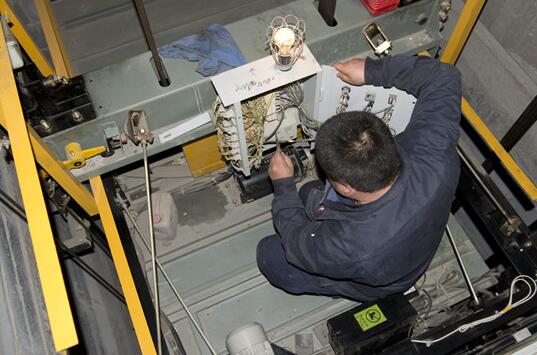
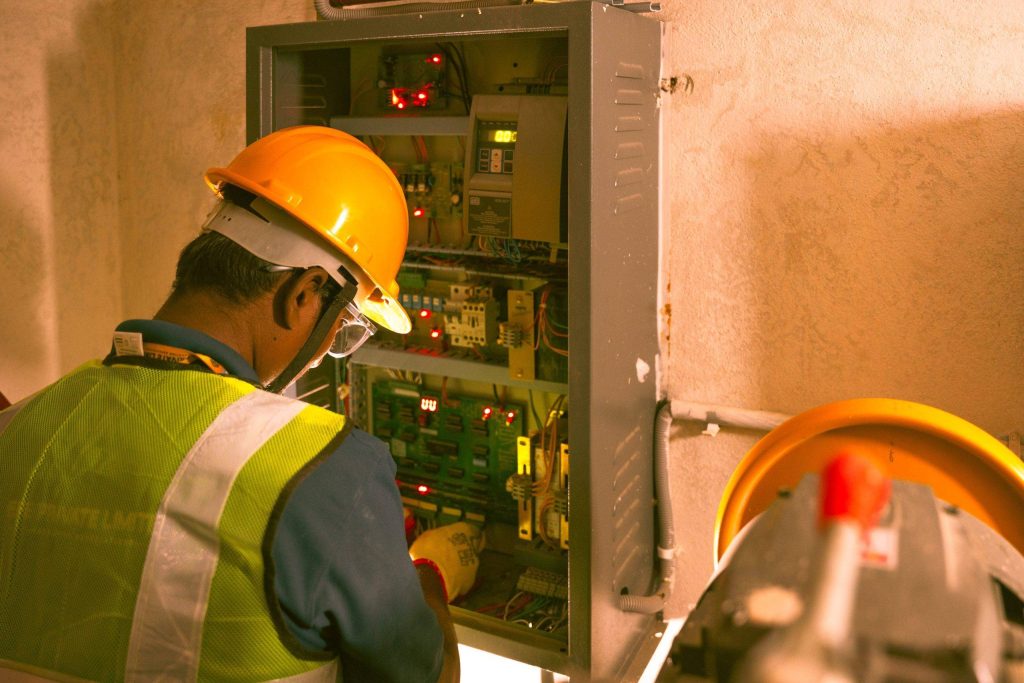
Once the equipment arrives, the mechanical erection begins. After assembly, the lift undergoes rigorous safety testing, including the calibration of the Automatic Rescue Device (ARD), which is critical during India’s occasional power fluctuations.
Types of Small Home Lifts and Price Variations
The small lift for home price in India varies significantly based on the technology used:
- Hydraulic Home Lifts: Highly popular for 2–3 floor villas. They are known for smooth starts and stops. Prices typically range from ₹8 Lakhs to ₹12 Lakhs. They are ideal for sites where digging a deep pit is impossible.
- Traction (MRL) Lifts: These use a motor and counterweight. They are energy-efficient and faster. Prices usually fall between ₹10 Lakhs and ₹15 Lakhs. They are the standard for G+3 or G+4 luxury residences.
- Pneumatic Vacuum Lifts: These use air pressure and require no pit or hoistway. They are the “plug-and-play” models of the industry. Prices start from ₹12 Lakhs and can go up to ₹20 Lakhs for imported models.
- Screw-Driven Lifts: Known for being extremely safe and compact, often used in premium boutique homes. Prices generally start from ₹15 Lakhs.
Benefits: Safety, Value, and Compliance
1. Uncompromising Safety Features
Modern home lifts are equipped with full-height infrared sensors, emergency stop buttons, and interlocks that prevent doors from opening unless the car is at the floor. The mandatory ARD ensures no one is ever trapped during a power cut.
2. Efficiency and Low Maintenance
Residential lifts are designed for low-frequency use compared to commercial ones. This means they consume less power (often less than a household air conditioner) and require less frequent heavy maintenance.
3. Regulatory Compliance
In Telangana, even private home lifts must adhere to safety standards defined by the Chief Electrical Inspectorate. A professional installation ensures you receive a “License to Run,” protecting you from legal liabilities.
Common Mistakes and Misconceptions
Mistake 1: Assuming All Lifts Need a “Machine Room”
Many homeowners believe they need to build a separate room on the terrace. Most modern small lifts are Machine Room-Less (MRL), meaning the entire mechanism fits inside the lift shaft, preserving your roof’s aesthetic.
Mistake 2: Choosing Uncertified Local Fabricators
While a locally fabricated “cage lift” might cost 50% less, it lacks essential safety sensors and certifications. In the elevator industry, saving money on the initial cost often leads to catastrophic safety risks.
Mistake 3: Neglecting Civil Requirements
The cost of the lift often excludes civil work like masonry, pit waterproofing, and electrical wiring to the shaft. Homeowners should budget an additional 10–15% for these civil preparations.
Real-World Scenarios
Residential: The Banjara Hills Retrofit
A family in an older G+2 villa in Banjara Hills needed a lift for their aging parents. Since there was no internal shaft, we installed an external glass-walled panoramic lift attached to the building’s facade.
- The Result: The parents regained their independence, and the house’s exterior took on a modern, high-end look.
Commercial/Boutique: The Gachibowli Studio
A boutique interior design studio in Gachibowli installed a small, 2-passenger pneumatic lift.
- The Result: It served as both a functional tool for moving samples and a “tech-forward” design statement for their clients, proving that small lifts have utility beyond just residential homes.
FAQs on Small Home Lift Prices
1. What is the minimum price of a small home lift in India? A basic, locally manufactured but safe 2-passenger hydraulic lift for a G+1 house typically starts around ₹6 Lakhs to ₹8 Lakhs.
2. Does the price include installation and taxes? Usually, quotes are given as “Base Price + GST (18%) + Installation.” Always clarify if the GST is inclusive or exclusive in the initial proposal.
3. Is single-phase power enough for a home lift? Yes, most modern small home lifts are designed to run on a standard 230V single-phase domestic power supply.
4. How much space is required for a 2-person lift? A 2-person lift can be installed in a shaft as small as 900mm x 900mm (approx. 3 feet by 3 feet).
5. How long does the installation take? From the date of the order, manufacturing takes 4–6 weeks, and on-site installation usually takes 10–15 days.
6. Do small home lifts require monthly maintenance? While they are low-usage, a quarterly or bi-monthly preventative maintenance check is recommended to keep sensors and lubricants in top condition.
7. Can a lift be installed in an existing house? Yes, retrofitting is common. We can use existing stairwell space or create an external shaft.
8. What is the life expectancy of a home lift? With proper maintenance, a high-quality residential lift will easily last 20 to 25 years.
Conclusion: Investing in Upward Comfort
The decision to install a small lift for home price in India is an investment in the quality of life. In cities like Hyderabad, where the pace of life is accelerating, our homes should be sanctuaries of ease and accessibility. While the price is a significant factor, the value of safety, reliability, and the joy of seeing elderly family members move freely is immeasurable.
At Exfol Friends Elevators Pvt. Ltd., we combine technical mastery with a deep understanding of Indian home dynamics. We invite you to explore vertical solutions that don’t just move people, but elevate the very experience of living.


Leave a Comment