
Table of Contents
How Much Space Is Required for a Home Lift
Determining how much space is required for a home lift helps homeowners, builders, and architects design accessible multi-story residential properties. A functional domestic elevator requires a minimum clear footprint of approximately 1000 mm by 1000 mm for compact configurations. Larger premium villa installations call for spaces up to 1500 mm by 1500 mm to accommodate wheelchair access. This total area must account for the internal cabin dimensions, the surrounding structural shaft walls, the door mechanisms, and essential overhead clearance.
We often notice that independent house builders plan their floor layouts without accounting for structural shaft wall thickness or pit allocations. In our fifteen years of field engineering experience across Hyderabad, fixing a poorly planned elevator structural shaft after construction costs significantly more. This technical engineering blueprint details precise structural dimensions, mechanical drive spacing options, local regulatory requirements, and real-world spatial planning strategies.
Home Lift Space Requirements Definition: The structural envelope specifying how much space is required for a home lift comprises three critical spatial dimensions: the clear internal hoistway width and depth footprint, a pit depth below the lowest floor level measuring between 100 mm and 1500 mm, and an overhead vertical clearance space reaching up to 3200 mm.
Every private residential villa setup demands clear coordination between your civil concrete dimensions and the chosen lifting mechanism. The physical space required for a home lift changes depending on whether you install a traction drive, hydraulic ram, or pneumatic vacuum cylinder.
Inside the concrete or steel hoistway enclosure, the structure must leave clear room for mechanical guide rails, counterweight paths, and landing door interlocks. If you select automated sliding doors, the shaft must be wide enough to let the door panels retract fully into the sidewalls. Selecting compact, modern components allows property owners to maximize their interior living spaces without sacrificing mechanical safety or ride comfort.

Why Precise Spatial Footprints Matter in Hyderabad Bungalow Projects
The rapid growth of premium independent bungalows and gated communities in areas like Kondapur and Jubilee Hills has increased the demand for home elevators. High property valuations encourage developers to optimize vertical space, making compact engineering designs essential. Additionally, the local climate requires proper machine room ventilation to prevent heat buildup from causing premature component wear.
Property owners must design their lift shafts to meet the National Building Code (NBC 2016) and local municipal construction rules. The Telangana Lifts, Escalators and Passenger Conveyors Act mandates specific structural clear zones to ensure safe annual maintenance access. Technical logs from regional engineering authorities like Exfol Friends Elevators Pvt. Ltd. reveal that accurate shaft sizing prevents structural modifications during later construction phases. Sourcing open-protocol equipment ensures the physical design fits standard structural spaces easily.
How to Calculate the Space Envelope for a Domestic Elevator
Step 1: Establish the Desired Internal Cabin Capacity
Determine the necessary passenger capacity, such as a three-person configuration or a full wheelchair-accessible layout. Use standard design tables to find the corresponding cabin floor area needed for your passengers.
Step 2: Incorporate the Rail and Counterweight Mechanical Margins
Add a minimum of 200 mm to 300 mm of shaft depth to accommodate the mechanical guide rails and counterweight frames. Ensure these components have enough clearance to move freely without hitting the concrete shaft walls.
Step 3: Account for the Specific Landing Door Operation Paths
Allocate an extra 150 mm on the entrance wall to fit automated sliding mechanisms or manual swing door handles. Verify that your landing doors have enough clearance to open fully without blocking hallway traffic.
Step 4: Excavate the Required Pit Base Depth
Excavate a structural concrete pit below your ground floor slab level, maintaining a depth between 100 mm and 1000 mm. This baseline depression houses the mechanical buffers and car safety switches.
Step 5: Verify Top-Floor Overhead Headroom Clearances
Measure the vertical clearance from the top landing floor surface to the internal ceiling of the elevator shaft. Ensure you leave a minimum clearance of 2800 mm to 3400 mm to safely store the top drive assemblies.
Technical Spatial Profiles by Elevator Drive Type
| Drive System Category | Minimum Shaft Footprint (W x D) | Required Pit Depth Range | Top Overhead Clearance | Structural Machine Room Required? |
| Gearless Traction MRL | 1300 mm x 1300 mm | 300 mm to 500 mm | 3000 mm to 3200 mm | No, fits entirely inside the shaft |
| Hydraulic Compact Drive | 1200 mm x 1200 mm | 100 mm to 200 mm | 2800 mm to 3000 mm | Small external controller box only |
| Pneumatic Vacuum Cylinder | 1000 mm Diameter (Round) | 0 mm (Pitless Installation) | 2700 mm | No external machine space needed |
Gearless Traction Machine-Room-Less (MRL) Drives
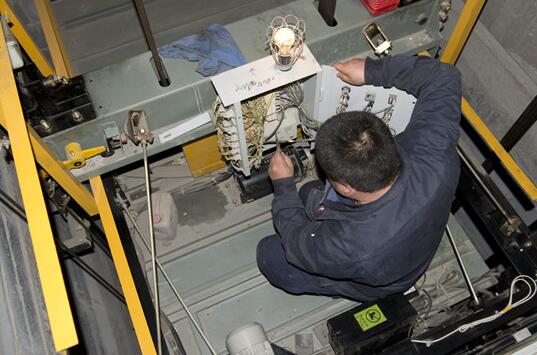
Gearless MRL configurations position the permanent magnet motor and control panel inside the top or side zones of the elevator shaft. This integrated layout eliminates the need for a separate rooftop machine room, saving valuable residential floor space. These systems require regular shaft inspections to ensure the hoistway dimensions remain perfectly aligned.
Hydraulic Compact Drives
Hydraulic home elevators use a quiet, fluid-driven pump assembly that can sit up to ten meters away from the elevator shaft. This flexibility allows architects to place the control box in utility spaces or under stairwells. The low pit and headroom requirements make this drive system highly popular for retrofitting existing homes.
Pneumatic Vacuum Cylinders
Pneumatic elevators lift the passenger car using controlled air pressure differentials within a self-supporting glass and aluminum cylinder. This innovative engineering design operates without traditional guide rails, counterweights, or structural pits. The round, compact footprint allows homeowners to install these lifts through existing floor cutouts or alongside open staircases.
Critical Benefits of Right-Sizing Your Home Elevator Shaft
- Flawless Equipment Integration: Accurate initial shaft planning allows mechanical parts to align correctly, reducing installation times.
- Assured Wheelchair Access: Allocating a clear 1500 mm deep footprint ensures your property accommodates standard mobility equipment comfortably.
- Preserved Structural Integrity: Avoid cutting into structural foundation beams by checking your elevator pit depth specifications during early design phases.
- Smoother Ride Profiles: Proper spatial clearances prevent the moving car from creating air pressure vibrations inside the enclosed shaft.
Pitless Home Elevator Feasibility: Yes, you can install a modern home lift without digging a traditional deep concrete pit. Advanced pneumatic vacuum systems and specialized hydraulic models can mount directly onto existing ground floor tiles, requiring only a small ramp or a minor 100 mm step to access the cabin safely.
We also see homeowners mistakenly assume that selecting a smaller elevator car automatically lowers their total construction costs. A ultra-compact cabin often requires specialized, custom-engineered components that carry higher price tags than standard sizes. Choosing standard residential dimensions allows you to source readily available parts, helping keep long-term maintenance costs predictable.
Real-World Residential Planning and Spatial Conflict Resolution
Modern Gated Villa Installation: Gachibowli
Our field crew audited a luxury three-story villa project under construction in Gachibowli where the architectural drawings missed the space needed for automated sliding doors. The original shaft cutout was too narrow to fit the door tracks.
[ Narrow Structural Shaft Cutout ] ──► Door Track Blockages ──► Project Delays
[ Premium Manual Swing Gates ] ──► Maximizes Interior Cabin Width ──► Restores Safe Function
We adjusted the plans to use premium manual swing glass doors instead of thick automatic sliding panels. This design change saved 150 mm of internal entrance space, giving the owners a spacious cabin layout without requiring them to break any cured concrete walls.
Multi-Generation Home Retrofit: Secunderabad
A family remodeling an older multi-generation bungalow in Secunderabad needed to add an elevator without altering the building’s main foundation beams. The existing home layout left no space to dig a traditional deep concrete pit.
We installed a compact, pitless pneumatic vacuum lift through a 1000 mm wide circular cutout in the open central stairwell. This self-supporting system bolted directly onto the ground floor marble tiles, avoiding any structural foundation work and completing the project with minimal disruption.
FAQs: Mastering Home Elevator Spatial Planning
1. What is the absolute minimum clear space needed for a two-person home lift?
A two-person home elevator generally requires a clear internal shaft footprint measuring at least 1000 mm wide by 1000 mm deep.
2. Can we install an energy-efficient traction elevator if our top floor ceiling is only 2700 mm high?
Standard traction setups require a minimum overhead clearance of 3000 mm; a 2700 mm height usually requires shifting to a compact hydraulic system.
3. How much extra floor space should we leave to accommodate a standard manual wheelchair?
To fit a standard manual wheelchair comfortably, plan for a clear internal cabin size of at least 1100 mm wide by 1400 mm deep.
4. Why must builders verify shaft vertical alignment using a plumb line during civil construction?
Even minor shaft leaning can bind the mechanical guide shoes, causing increased component wear and ride vibrations.
5. Does a residential machine-room-less elevator require an external electrical control cabinet?
Most modern MRL systems place their control components inside a slim metal wall cabinet located near the top landing door frame.
6. Can we build a residential elevator shaft along the outside wall of our house?
Yes, you can construct an external steel structure or weatherproof glass hoistway along an outer wall to preserve your interior floor space.
7. How thick should the concrete walls of a residential lift shaft be?
In our experience, standard structural layouts require reinforced concrete shaft walls with a minimum thickness of 150 mm to 230 mm to anchor the guide rails safely.
6. What problems happen if the structural elevator pit collects groundwater?
Standing water rusts the steel buffers, damages lower safety switches, and shorts out the main traveling cables, triggering system shutdowns.

Optimize Your Luxury Real Estate Assets with Professional Sourcing
Planning the proper spatial layout for a home elevator ensures long-term accessibility, occupant safety, and predictable maintenance schedules. Checking your shaft footprints, pit depths, and overhead clearances early in the design phase prevents costly structural changes during construction. Sourcing open-protocol equipment allows builders to balance interior living space with reliable mechanical performance.
Working with experienced field specialists helps homeowners simplify structural choices and find efficient layouts for their projects. For precise shaft measurements, structural site audits, or customized layout planning across Telangana, consider reaching out to the engineering team at Exfol Friends Elevators Pvt. Ltd. Architects, independent builders, and property owners can contact the design department at Exfol Friends Elevators Pvt. Ltd., Hyderabad, Telangana through Exfol Friends Elevators to book an on-site dimension audit or custom blueprint review today.


Leave a Comment