
Table of Contents
Navigating the Challenges of Residential Vertical Transit
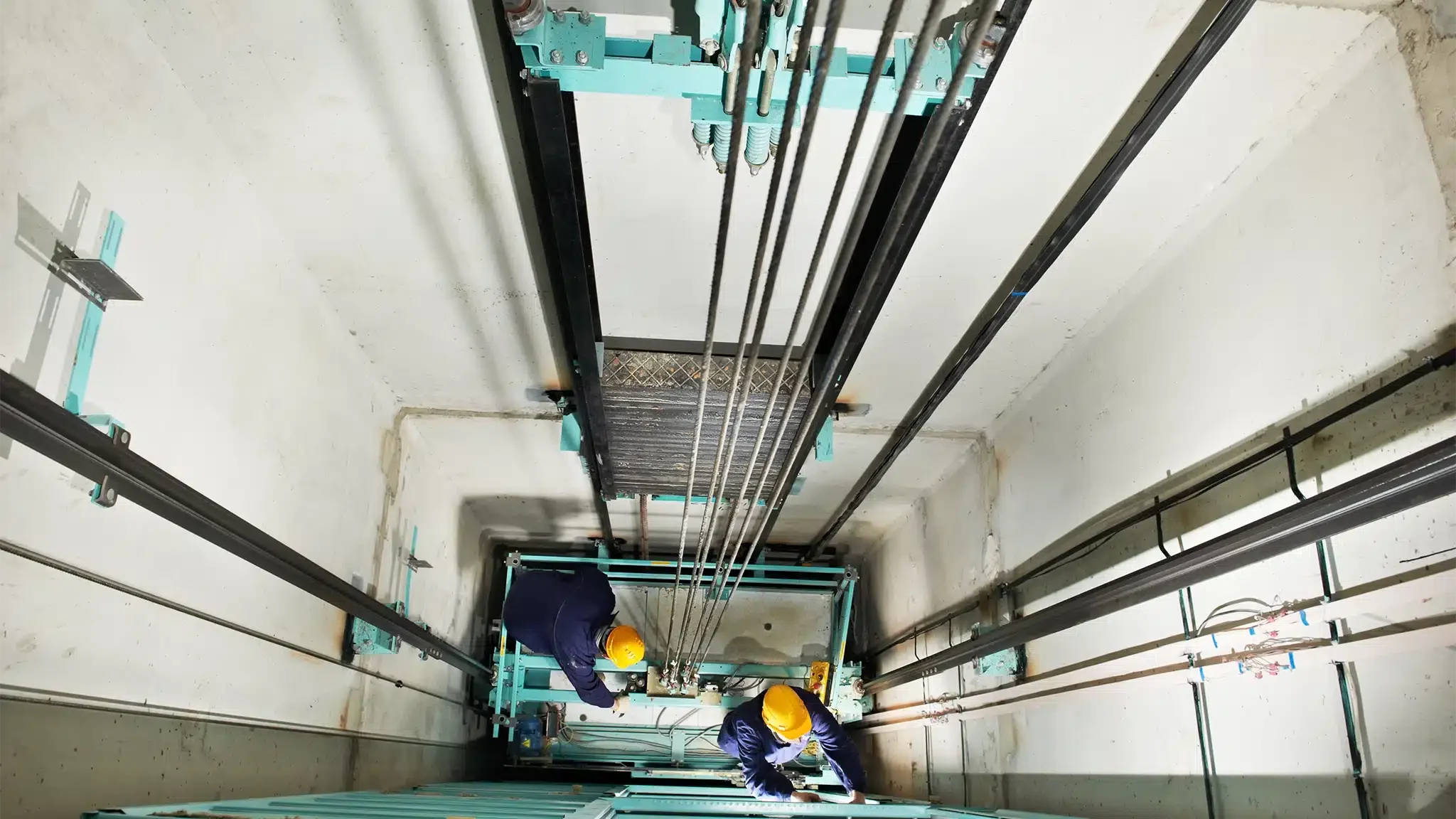
Integrating a lift into a private residence is a significant investment in accessibility and luxury. However, as these systems become more common in Hyderabad’s villas and premium duplexes, owners frequently encounter operational hurdles. Understanding what are the common problems with home lifts is the first step toward ensuring the longevity of your equipment. For a homeowner in Jubilee Hills or a builder in Gachibowli, a malfunctioning lift is more than a technical glitch; it is a disruption to daily life and a potential safety concern.
Most residential elevator issues stem from a combination of environmental factors, irregular maintenance, and the unique duty cycles of home use. Unlike commercial elevators that run constantly, home lifts may sit idle for long periods, leading to component stiffness or sensor misalignment. Furthermore, the specific electrical climate of Telangana, characterized by seasonal voltage fluctuations, often puts a strain on sensitive microprocessor controllers.
At Exfol Friends Elevators Pvt. Ltd., we believe that an informed owner is a safe owner. By recognizing the early warning signs of mechanical fatigue—such as unusual vibrations or delayed door responses—you can intervene before a minor adjustment turns into an expensive overhaul. This guide provides a professional deep dive into the technical vulnerabilities of home lifts and how to mitigate them through proactive care.

What are Common Home Lift Problems?
Common Home Lift Problems: These are technical or mechanical malfunctions frequently encountered in residential elevators, ranging from door sensor failures and power-related lockouts to hydraulic fluid leaks and “phantom” calls. These issues typically arise due to dust ingress, irregular servicing, or electrical surges that disrupt the lift’s safety circuits and control logic.
Why Understanding These Problems is Important in Hyderabad
Hyderabad’s unique urban and environmental conditions contribute significantly to the frequency of home lift issues.
1. Dust and Humidity Factors
In developing areas like Tellapur or Narsingi, high levels of construction dust can settle on the lift’s electronic sensors and guide rails. This accumulation causes friction in the movement and “false triggers” in the door safety edges, leading to the lift refusing to close or travel between floors.
2. Voltage Fluctuations and Power Quality
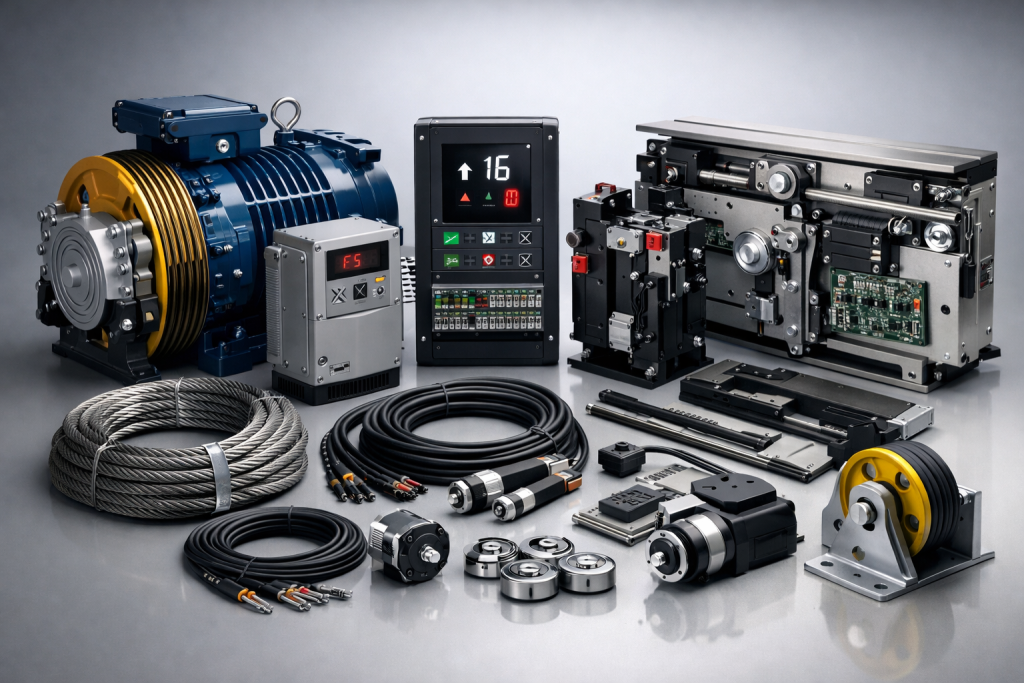
Residential power grids in certain pockets of Telangana can be prone to surges. Home lifts rely on delicate PCBs (Printed Circuit Boards) and VVVF drives. Without proper protection, these components can burn out, leading to costly replacements that are often not covered under standard insurance.
3. Statutory and Safety Oversight
With the Telangana Lifts Act mandating strict safety norms, a malfunctioning home lift can lead to legal liabilities for the property owner. Understanding common issues ensures that your lift remains compliant with state safety inspections and maintains its “License to Run.”
How a Home Lift System Works: A Quick Overview
To troubleshoot effectively, one must understand the basic mechanical sequence of a residential lift.
- The Signal: When a button is pressed, the controller checks if all door interlocks are closed and the “Safety String” (a series of safety switches) is complete.
- The Drive: In a traction lift, the motor turns the sheave to move ropes/belts. In a hydraulic lift, a pump pushes fluid into a piston to raise the car.
- The Travel: The car moves along guide rails. Encoders track the exact position of the car to ensure it knows when to slow down for a “flush landing.”
- The Stop: As the car reaches the floor, the brake engages (for traction) or the valve closes (for hydraulic). The door operator then receives a signal to release the mechanical lock and open the gates.
Variations and Types of Home Lifts
The problems encountered often depend on the specific technology used in the home.
- Traction MRL (Machine Room-Less): Common in modern Hyderabad homes. Common problems include belt wear, motor noise, and controller overheating in small shafts.
- Hydraulic Lifts: Often used in villas with limited overhead space. Vulnerable to fluid leaks, valve sticking, and “creeping” (where the car slowly sinks from the floor level).
- Pneumatic (Vacuum) Lifts: Popular for retrofitting. Issues usually involve seal degradation, vacuum pump noise, and sensitivity to weight imbalances.
Detailed Breakdown: Common Problems and Causes
1. Door Malfunctions (The 70% Rule)
Statistically, 70% of elevator service calls are related to doors. Home lifts often use “collapsible gates” or “swing doors” which are prone to misalignment. Debris in the bottom sill (the track where the door moves) is the most frequent culprit, preventing the door from locking and the lift from starting.
2. Levelling Inaccuracy
If the lift car stops a few centimeters above or below the floor level, it creates a tripping hazard. This is usually caused by a faulty levelling sensor or a brake that is becoming “sticky” due to lack of lubrication.
3. ARD (Automatic Rescue Device) Failure
The ARD is meant to bring the lift to the nearest floor during a power cut. In many Hyderabad homes, the ARD batteries fail because they were not tested or replaced every 1.5 to 2 years. This results in passengers being trapped inside during a routine power outage.
4. Strange Noises and Vibrations
Squeaking or grinding sounds usually indicate that the guide rails require lubrication or that the guide shoes have worn out. In some cases, it may point to a misalignment of the traction ropes, which requires immediate professional intervention.
Benefits of Proactive Maintenance and Quality Parts
- Safety Assurance: Regular checks on the over-speed governor and safety gear ensure the “fail-safes” will work in an emergency.
- Cost Savings: Replacing a small sensor is significantly cheaper than replacing a motor that burned out because a sensor failed to shut it down.
- Property Value: A well-maintained, smooth-running lift is a major asset during property valuation in the Hyderabad luxury real estate market.
Common Mistakes and Misconceptions
Mistake 1: Treating a Lift Like a Household Appliance
Unlike a refrigerator, a lift is a high-precision mechanical system. Many owners wait for a breakdown before calling a technician. This “reactive” approach is dangerous and increases the total cost of ownership.
Mistake 2: Overloading with Furniture
Home lifts have strict weight capacities (often 250kg to 400kg). Using a home lift to move heavy marble slabs or furniture during a renovation can strain the motor and stretch the ropes permanently.
Mistake 3: Skipping Monthly Lubrication
Hydraulic and traction systems require specific lubricants. Using generic oils or skipping the schedule entirely leads to “pitting” on the guide rails, which causes a permanently bumpy ride.
Real-World Scenarios
Scenario A: The Banjara Hills Villa
A homeowner reported the lift was “getting stuck” intermittently. Our team found that the swing-door closer had weakened over time. In Hyderabad’s windy season, the door wasn’t latching fully, breaking the safety circuit. A simple adjustment saved the client from a full controller replacement.
Scenario B: The Gachibowli Duplex
Following a heavy monsoon, a lift in Gachibowli stopped working. We discovered that water had seeped into the pit, damaging the bottom limit switches. Ensuring the pit was waterproofed and the switches replaced restored service and prevented a potential electrical short.
Frequently Asked Questions
1. Why does my home lift stop suddenly between floors? This is usually a “safety string” break. It could be caused by a loose door contact, a power surge, or a triggered emergency stop button.
2. How often should a home lift be serviced in Hyderabad? Due to dust and heat, monthly preventative maintenance is highly recommended to ensure all sensors and moving parts remain clean and lubricated.
3. Why is my lift making a loud beeping sound? Beeping usually indicates an “Overload” or a “Battery Low” warning for the ARD. Check if there are too many people inside or if the power has been out for too long.
4. Can I manually open the doors if the lift gets stuck? Only in an emergency and if the car is level with the floor. You should always use the emergency phone or alarm and wait for a trained technician to use a “rescue key.”
5. How long do home lift batteries (ARD) last? Typically, ARD batteries last 18 to 24 months. They should be tested during every monthly service visit.
6. Why is there a jerky movement when the lift starts? This is often related to the VVVF drive settings or worn-out motor mounts. It requires a technician to calibrate the torque parameters of the drive.
7. Is a hydraulic lift better than a traction lift for homes? Hydraulic lifts are great for low-rise homes with limited space, but they are prone to oil leaks. Traction MRL lifts are more energy-efficient and offer a smoother ride for higher floors.
8. What should I do if my lift pit is flooded? Immediately turn off the main power to the lift and call a technician. Never operate a lift with water in the pit, as it can cause terminal electrical damage.

Conclusion: Ensuring Seamless Vertical Mobility
Understanding what are the common problems with home lifts allows you to move from being a passive user to a proactive owner. While modern elevator technology is incredibly robust, the intersection of mechanical precision and environmental stress necessitates professional oversight. In a city like Hyderabad, where residential architecture is reaching new heights, your lift is a central part of your home’s functionality.
At Exfol Friends Elevators Pvt. Ltd., we specialize in identifying these common issues before they escalate. Our focus on quality engineering and local compliance ensures that your home lift remains a safe, smooth, and silent partner in your daily life.
Is your home lift showing signs of wear or making unusual noises? Contact Exfol Friends Elevators today for a comprehensive safety audit.


Leave a Comment