

Table of Contents
Best Home Elevators for Duplex Houses in India
Selecting the best home elevators for duplex houses in India requires an analytical evaluation of mechanical drive systems, interior space allocation, and structural building load capacities. Homeowners and property developers frequently struggle to balance architectural layout aesthetics with technical safety compliance when integrating a residential lift across two floors. Choosing the right system helps property owners future-proof multi-generational family homes, maximize room layouts, and protect long-term asset values.
We often notice that property owners make final purchasing decisions based on cabin aesthetics rather than fundamental engineering specifications. In our fifteen years of active field experience across Hyderabad and the wider Telangana region, ignoring structural drive differences can lead to excessive noise problems and regular maintenance headaches. This technical blueprint breaks down the performance characteristics, structural demands, and realistic pricing models of top-tier residential elevators to simplify your decision-making process.

Technical Comparison of Top Residential Lift Systems
| Elevator Drive Option | Best For | Key Mechanical Feature | Cost Range (INR) | Regional Compliance Level |
| Pneumatic Vacuum | Retrofit duplex projects with minimal space | Uses air pressure differentials; self-supporting | 8,500,000 – 1,400,000 | Fully Certified (BIS Compliant) |
| Hydraulic Drive | Low-overhead homes wanting a quiet ride | External pump cylinder unit; flexible placement | 7,500,000 – 1,300,000 | High (Telangana Lifts Act) |
| Gearless Traction MRL | High-frequency use and fast travel speeds | Permanent magnet synchronous motor inside shaft | 9,000,000 – 1,600,000 | Maximum (NBC 2016 Standards) |
Evaluation Criteria for Duplex Home Elevators: Evaluating the best home elevators for duplex houses in India requires analyzing certified safety records, Bureau of Indian Standards (BIS) compliance, the mechanical drive profile, structural space demands, warranty frameworks, and the local manufacturer service presence to ensure long-term equipment reliability.
A thorough engineering evaluation of a private residential elevator must look past sales brochures to focus on real-world mechanical realities. Buyers must verify that the equipment incorporates structural safety systems such as emergency automatic rescue devices, overspeed governors, and infrared door sensors.
Our team frequently sees homeowners overlook local technical support availability when buying imported, non-standard systems. If an elevator uses closed-protocol microprocessors without local parts inventory in Telangana, routine maintenance turnarounds can stretch into weeks. Prioritizing open-protocol configurations allows facility managers to source standard replacement components easily, keeping long-term upkeep straightforward and affordable.
Detailed Structural Breakdown of Leading Duplex House Elevators
1. Pneumatic Vacuum Home Elevators
Pneumatic vacuum systems lift the internal passenger cabin using precisely controlled air pressure differentials inside a self-supporting glass and aluminum cylinder. The system uses a suction turbine assembly positioned above the hoistway to lower air pressure above the car, smoothy lifting it upward. Releasing the air pressure in a controlled manner allows the cabin to descend smoothly using gravity, which reduces overall electrical energy use.
In our field projects throughout Jubilee Hills, we frequently suggest these systems for completed duplex properties where cutting deep concrete foundation trenches is not an option. Because the entire outer glass cylinder rests directly on finished interior tile flooring, you do not need to build a heavy brick or concrete shaft. The circular layout provides panoramic visibility, transforming the lift into a modern architectural centerpiece inside open living rooms or central stairwells.
Pros and Cons of Pneumatic Vacuum Systems
- Pros: Requires zero structural pit excavation or overhead roof space extensions; installs within three working days; runs efficiently on standard single-phase household power connections.
- Cons: Restricted to maximum payload weights of 150 kg to 200 kg; cannot support heavy, oversized motorized wheelchairs; turbine suction motors produce an audible air humming noise during upward travel.
2. Compact Hydraulic Drive Elevators
Hydraulic residential elevators move the passenger cabin using an industrial-grade fluid-driven ram assembly connected to a remote oil pump station. The system pumps eco-friendly hydraulic fluid into a steel piston to lift the car frame, while electronic valves manage the fluid return to ensure smooth deceleration. This mechanical setup allows architects to position the main control machinery box up to ten meters away from the lift shaft, such as under a stairwell or inside a utility room.
This drive system provides excellent ride comfort and high lifting capacities, making it a reliable choice for premium multi-generational villas. The low overhead clearance requirement allows the lift to work perfectly in homes with standard 2800 mm ceilings on the upper floor. Additionally, the system features a simple mechanical manual lowering valve that lets passengers descend safely to the ground floor during total building power cuts.
Pros and Cons of Hydraulic Drive Systems
- Pros: Delivers quiet operation inside the home; handles heavy weight loads up to 400 kg effortlessly; works well in properties with limited upper-floor headroom spaces.
- Cons: Requires periodic hydraulic fluid changes to maintain optimal performance; temperature changes can cause slight ride speed variations; needs a small, shallow 100 mm to 150 mm structural pit at the base.
3. Gearless Traction Machine-Room-Less (MRL) Elevators
Gearless Traction Machine-Room-Less (MRL) elevators use a permanent magnet synchronous motor suspended directly from the top structural guide rails inside the shaft. High-tensile steel cables or polyurethane-coated belts connect the passenger cabin to a counterweight system across a main drive sheave. This balanced engineering setup minimizes the torque needed to move the lift car, making it the most energy-efficient choice for high-use residential homes.
We routinely specify gearless MRL systems for new luxury construction projects in expanding areas like Gachibowli and Kondapur. These systems offer smooth ride performance, fast travel speeds, and long component life. Because the motor sits completely inside the vertical hoistway path, developers save floor space by avoiding the need for an external concrete or brick machine room on the roof.
Pros and Cons of Gearless MRL Systems
- Pros: Exceptional operational energy savings; provides long-term component durability with minimal rail wear; handles frequent, high-use daily traffic smoothly.
- Cons: Requires a dedicated structural vertical shaft with a minimum 300 mm concrete pit; demands a higher initial capital investment; installation requires precise structural plumb line alignment.
Architectural Sourcing Matrix: Matching System Type to Project Needs
[ Duplex Renovation / No Pit Space ] ──► Choose Pneumatic Vacuum Drive
[ Wheelchair Access / Low Upper Headroom ] ──► Choose Compact Hydraulic Drive
[ New Villa Construction / Frequent Use ] ──► Choose Gearless Traction MRL System
To assist builders and property developers in making appropriate selection choices, we structured this functional deployment matrix:
- Established Duplex Renovation (No Pit Space): Select a pneumatic vacuum lift to avoid cutting concrete slab foundations or altering finished residential ceilings.
- Full Wheelchair Access (With Limited Upper Headroom): Select a compact hydraulic elevator to handle heavy weight capacities while fitting under standard interior ceiling profiles.
- New Premium Construction (High-Frequency Daily Traffic): Select a gearless traction MRL system to optimize long-term power efficiency and ensure fast travel speeds between floors.

Realistic Home Lift Installation Cost Structures in Hyderabad
Sourcing the best home elevators for duplex houses in India involves evaluating both the upfront equipment costs and the long-term civil preparation expenses. A standard two-landing residential installation typically ranges from INR 7,50,000 to INR 16,00,000, depending on the drive drive technology, cabin finishes, and necessary structural modifications. Choosing manual swing doors rather than automated telescoping sliding panels can save up to INR 1,50,000 in equipment costs, though it changes the overall ease of use.
Total Capital Investment = Base Drive Mechanism + Cabin Finish Selection + Civil Shaft Masonry + Regulatory Compliance Fees
When managing construction budgets, builders must factor in civil costs such as building reinforced concrete shafts, plastering walls, and running dedicated electrical lines. According to technical cost logs from regional engineering firms like Exfol Friends Elevators Pvt. Ltd., transparent local pricing models help developers avoid unexpected mid-project expenses. Sourcing equipment from certified domestic manufacturers ensures clear component costs and provides predictable maintenance pricing over the lifespan of the elevator.
Critical Elevator Shaft Structural Mistake: The most critical structural mistake to avoid is pouring concrete floor slabs before verifying the exact vertical plumb line tolerances and entry door rough opening widths required by your lift manufacturer. Even a minor 20 mm shaft alignment error can bind mechanical guide rails, preventing installation and forcing costly structural modifications.
We also see homeowners make the mistake of choosing non-standard, ultra-compact cabin spaces to save room in their hallways. If the interior cabin floor area measures less than 900 mm by 1100 mm, the elevator cannot accommodate standard mobility equipment or walking aids down the road. Designing your lift shaft to meet the National Building Code (NBC 2016) recommendations guarantees your home remains accessible for all family members for decades.
Real-World Case Studies: Resolving Residential Space and Drive Challenges
Interior Retrofit Challenge: Kondapur Duplex Property
Our field engineering team resolved a spatial conflict inside a premium duplex penthouse located in Kondapur. The client needed to install a reliable elevator but faced strict structural limitations that banned cutting into the post-tensioned concrete floor slabs.
[ Post-Tensioned Floor Slabs ] ──► No Deep Pit Structural Cutting Allowed ──► Halts Traction Setups
[ Self-Supporting Vacuum Cylinder ] ──► Mounts on Existing Floor Tiles ──► Resolves Structural Deadlock
We resolved this structural limitation by installing a self-supporting pneumatic vacuum elevator inside the open central curve of the main staircase. This system mounted directly onto the existing floor tiles without requiring a concrete pit, preserving the building’s structural integrity and completing the project ahead of schedule.
Multi-Generational Access Setup: Gachibowli Villa Project
A developer building a large luxury duplex villa in Gachibowli needed a spacious elevator cabin capable of carrying heavy motorized wheelchairs, but the upper floor plan featured an unalterable low ceiling profile.
We installed a heavy-duty hydraulic elevator system utilizing a side-mounted telescopic piston configuration. This mechanical design handles full 350 kg wheelchair weight loads easily while operating safely under the low 2800 mm upper ceiling clearance, providing reliable multi-generational access without changing the roofline.
FAQs: Mastering Residential Duplex Elevator Sizing
1. Which home lift type works best for an elder citizen using a walker inside a Indian duplex house?
A compact hydraulic drive elevator works best because its spacious rectangular cabin layout and level floor access easily accommodate walking frames and wheelchairs.
2. Can we run a modern gearless traction residential elevator on a standard single-phase home power meter?
Yes, several modern gearless traction models feature specialized variable frequency drives (VFD) engineered to run on standard household single-phase 230V power lines.
3. What specific safety features are mandatory for private elevators under the Telangana Lifts Act?
The regulations mandate automatic rescue devices (ARD), mechanical overspeed governors, emergency cabin lighting, cabin ventilation fans, and functional interlocks on all landing doors.
4. How much space should we leave inside our building layout for a three-passenger duplex lift?
You should plan for a clear, finished internal shaft footprint measuring at least 1200 mm wide by 1200 mm deep to house the mechanical components.
5. Why do pneumatic vacuum elevators cost more upfront than basic counterweighted mechanical lifts?
Pneumatic systems feature specialized curved polycarbonate panels and self-supporting aluminum frames that simplify civil construction work, which offsets the initial equipment cost.
6. Do we need to apply waterproof sealants inside a residential lift pit base slab?
Yes, applying high-grade industrial waterproofing compounds prevents groundwater from seeping into the pit and damaging lower safety switches or structural steel anchors.
7. How often should our maintenance team perform safety checks on a duplex home lift?
We recommend scheduling professional preventive maintenance inspections every month to check safety interlocks, clean guide rails, and test the automatic rescue batteries.
8. Is it possible to add a new home elevator to an existing property without an indoor shaft?
Yes, engineers can build a weatherproof steel and laminated glass structural hoistway along an external wall to preserve your interior floor layout.
Making a Dependable Decision for Your Private Home Infrastructure
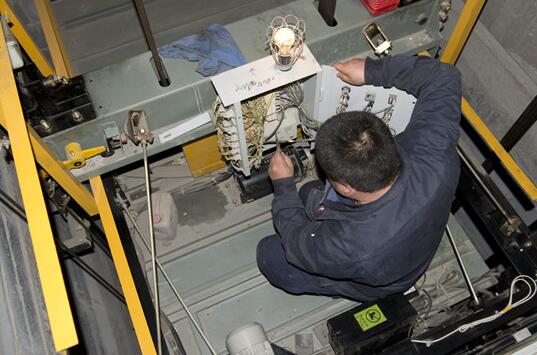
Selecting the right residential lift system requires balancing your property’s structural layout with proper mechanical drive capabilities and local safety rules. Checking your clear shaft dimensions, pit floor depths, and top overhead clearances early in the planning process prevents costly structural modifications during construction. Sourcing open-protocol equipment ensures your lift remains safe, durable, and straightforward to service throughout its operational lifespan.
Reviewing your design options with certified industry practitioners helps builders simplify technical decisions and avoid common installation mistakes. When assessing local equipment suppliers for your property development, the engineering team at Exfol Friends Elevators Pvt. Ltd. offers reliable technical guidance. Property developers, independent luxury house builders, and architects can contact the design office at Exfol Friends Elevators Pvt. Ltd., Hyderabad, Telangana via Exfol Friends Elevators to schedule a comprehensive site dimension audit or structural blueprint review.


Leave a Comment