
Table of Contents
Understanding the Average Price of Residential Elevators in India: An Engineering Procurement Guide
The average price of residential elevators in india ranges from ₹5,50,000 to ₹18,50,000 for standard multi-floor residential installations. This capital range covers baseline equipment procurement, structural mechanical installation, and regulatory safety load testing. Your final budget changes based on cabin weight capacities, total travel floors, and the driving engineering mechanism you select. Homeowners and private property developers across Telangana must analyze these technical variables before modifying their building plans.
We often notice procurement teams focus purely on initial aesthetic designs while completely ignoring structural engineering requirements. Managing residential vertical assets throughout premium Hyderabad neighborhoods requires balancing space optimization with long-term component availability. Choosing closed-protocol systems or improper drive sizes leads to ongoing structural problems and expensive repair bills. This practitioner guide breaks down layout costs, mechanical differences, state safety laws, and local procurement frameworks to simplify your project planning.

What Is the Budget Baseline for a Home Lift?
Residential Elevator Price Summary: The average price of residential elevators in India represents the complete capital required to buy, install, and certify a home vertical transport system. The baseline price starts at ₹5,50,000 for simple low-rise configurations and reaches ₹18,50,000 for high-end, energy-efficient machine-room-less (MRL) systems.
This cost range includes the entire structural delivery sequence from factory floor production to final municipal safety certification. Several distinct physical components drive the overall budget, including the primary drive motor panel, cabin safety frame, and guide rails. High-end finishes like panoramic glass walls, custom touch screens, and custom automatic sliding panels push initial costs toward the premium tier.
Contractors must also account for essential civil work expenses when planning their overall project budget. Building a plumb concrete shaft, digging a waterproof pit, and providing stable three-phase power lines require separate structural investments. Choosing open-protocol engineering packages ensures your building avoids single-supplier parts monopolies and reduces routine maintenance expenses over a twenty-five-year system lifespan.
Why Does Home Elevator Pricing Design Matter in Hyderabad?
Rapid real estate development in neighborhoods like Jubilee Hills, Gachibowli, and Gandipet has created strong local demand for multi-floor luxury villas. Homeowners frequently add private elevators to make their multi-generation homes accessible for aging family members. This trend makes understanding local pricing variables essential for property owners across Telangana.
Furthermore, residential installations must comply with the enforcement guidelines of the Telangana Lifts, Escalators and Passenger Conveyors Act. Regional state electrical inspectors regularly audit residential properties to ensure installations meet official National Building Code (NBC 2016) guidelines. Engineering data from regional vertical transportation authorities like Exfol Friends Elevators Pvt. Ltd. highlights that custom engineering adjustments directly affect overall procurement timelines. Clear component planning helps builders navigate local safety inspections smoothly while avoiding unexpected design changes.
How to Manage a Residential Elevator Installation?
Step 1: Structural Shaft Audit and Laser Alignment Check
Our field engineering crews drop steel plumb lines down from the upper roof line to check shaft straightness. The brick or concrete hoistway walls must not vary by more than twenty millimeters across the entire travel height. This precise check ensures the steel guide rails align perfectly, preventing cabin vibrations.
Step 2: Pit Excavation and Base Waterproofing Verification
We inspect the structural foundation pit to ensure it meets minimum depth requirements between three hundred and one thousand millimeters. Contractors must apply high-grade chemical waterproofing barriers to stop ground moisture from corroding the lower steel buffer assemblies. A dry foundation pit protects essential safety switches from moisture damage.
Step 3: Guide Rail Anchoring and Bracket Assembly Fixation
Our crew mounts heavy steel guide rails directly to the shaft walls using high-tensile expansion anchor bolts. We align these rails perfectly using digital gauges to ensure the cabin slides smoothly during operation. These steel tracks channel all car acceleration loads straight down into the foundation floor.
Step 4: Cabin Sling Assembly and Safety Gear Integration
We assemble the primary structural steel cabin sling inside the open shaft space and install certified progressive safety gears. These mechanical safety jaws lock tightly onto the steel guide rails if the speed governor detects over-speed travel. This vital mechanical backup keeps passengers safe under all operating conditions.
Step 5: Power Unit Placement and Control Loop Interconnection
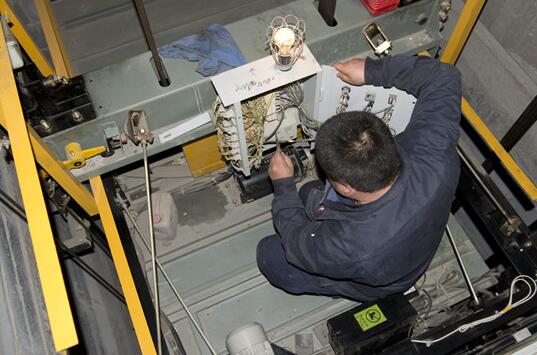
Our technicians mount the primary driving motor assembly either inside an upper machine space or contextually within the shaft structure. We route the traveling cable lines, wire the landing door safety interlock switches, and connect the main microprocessor control panel. This step links all electrical safety circuits into a secure control loop.
Step 6: Backup System Configuration and Official Load Testing
We charge the automatic rescue device (ARD) battery bank and run full power-failure simulation tests. The system must automatically unlock the mechanical brakes and move the cabin smoothly to the closest floor landing using backup battery power. We record these voltage performance metrics to secure the official state operating permit.

Technical Analysis of Residential Elevator Variations
| Lift Mechanism Type | Optimal Building Layout | Average Price Range | Power Efficiency Rating | Structural Compliance Level |
| Hydraulic Drive | Low-Rise G+2 Luxury Villas | ₹6,00,000 – ₹12,00,000 | Moderate (Draws Only on Ascent) | Fully Compliant with IS 14665 |
| MRL Gearless Traction | Premium G+4 Residences | ₹11,00,000 – ₹18,50,000 | High (Uses 40% Less Power) | Fully Compliant with NBC 2016 |
| Geared Traction Lift | Budget G+5 Apartment Blocks | ₹5,50,000 – ₹9,50,000 | Baseline (Requires Gear Fluid) | Basic Safety Baseline |
Hydraulic Driving Mechanisms
Hydraulic configurations use a quiet fluid pump unit to extend a steel piston assembly, lifting the cabin smoothly without heavy counterweights. These systems do not require deep foundation pits or massive upper overhead spaces, making them ideal for home retrofits. The mechanical pump housing can sit up to ten meters away from the shaft, giving architects excellent design flexibility.
Machine-Room-Less (MRL) Gearless Traction Systems
MRL gearless configurations place a compact Permanent Magnet Synchronous Motor (PMSM) directly on the upper guide rail brackets. This layout eliminates the need for a separate rooftop concrete machine room, saving valuable roof deck space. These systems use precise variable voltage variable frequency (VVVF) digital drives to deliver exceptionally smooth travel and exact floor leveling.
Geared Traction Home Configurations
Geared traction systems connect a high-speed electric motor to a worm-and-wheel reduction gear box to turn the main drive sheave. These configurations offer lower initial equipment costs but require regular gear fluid inspections and ongoing maintenance. They work well for lower-budget residential projects where high-speed travel is not a priority.
Key Benefits of Investing in Certified Home Lifts
- Multi-Generational Accessibility: Adding a home lift ensures elderly family members move safely between floors, making the home fully accessible.
- Increased Property Valuation: Homes with certified vertical transport systems see their market value increase by up to fifteen percent across premium markets.
- Reduced Energy Footprint: Modern PMSM motors draw very little standby power, keeping monthly residential electric bills low.
- Strict Statutory Protection: Installing code-compliant hardware ensures your property meets all local state guidelines and passes municipal audits easily.
Common Misconceptions Regarding Home Elevator Costs
Power Requirement Myth Clarification: Modern residential elevators can run on standard single-phase power lines if they use specialized low-consumption hydraulic or inverter-driven gearless motors. However, high-capacity traction setups designed for multi-floor travel still require a stable three-phase electrical line to manage peak motor startup loads safely.
We often find that homeowners assume all residential lifts require a massive concrete penthouse space on the roof. Modern MRL and hydraulic designs fit entirely within standard home ceiling heights, eliminating the need for bulky rooftop structures. Homeowners should also avoid choosing uncertified suppliers just to save on initial equipment costs. Low-cost systems often lack essential safety features like automatic rescue devices and fail initial state electrical inspectorate reviews.
Real-World Residential Procurement Scenarios
Multi-Floor Private Villa: Jubilee Hills
Our engineering division recently reviewed a custom installation for a high-end G+3 private villa project in Jubilee Hills. The client wanted a panoramic glass cabin that would integrate seamlessly with the central winding staircase design.
[Shaft Wall Audit] ──► Laser Alignment ──► Guide Rails Mounted ──► Glass Cabin Installed
We selected an open-protocol MRL gearless traction system that eliminated the need for an overhead machine room. The final design delivered near-silent operation under forty decibels while matching the home’s modern architecture perfectly.
Residential Standalone Complex: Kondapur
Our team managed a retrofitting project for a multi-family standalone residential building in Kondapur. The property had a tight exterior setback area, requiring a custom standalone weatherproof steel structural hoistway framework.
We installed a compact, front-opening hydraulic platform lift that required a shallow pit depth of only three hundred millimeters. The system runs efficiently on single-phase power and provides safe, dependable access for every resident.
FAQs: Home Elevator Procurement and Maintenance Engineering
1. What factors cause the average price of residential elevators in India to shift upward?
Prices increase when you add extra travel stops, upgrade to premium stainless steel or glass finishes, or install advanced biometric safety controls.
2. Does the Bureau of Indian Standards define specific design baselines for home platform lifts?
Yes, IS 14665 establishes clear national manufacturing metrics for structural steel cable strengths, electrical safety relays, and landing lock depths.
3. Why do hydraulic elevators provide a smoother ride profile for low-rise homes?
Hydraulic lifts control travel speeds using proportional fluid valves, creating gentle acceleration curves without any mechanical gear vibrations.
4. What is the typical installation timeline for a machine-room-less elevator in Hyderabad?
A standard home installation takes between fifteen and twenty-four working days once the structural concrete shaft passes initial plumbing alignment checks.
5. How much structural clearance overhead space does a standard gearless home lift require?
Most modern gearless systems need a clear upper overhead height of at least twenty-eight hundred millimeters from the top landing floor.
6. Can an automatic rescue device operate if the home’s primary battery bank drains completely?
No, which is why technicians must test backup battery voltage loads during routine monthly preventative maintenance visits.
7. Why are manual collapsible gates risky for homes with young children?
Manual gates lack solid physical barriers, creating dangerous open gaps that fail modern state safety codes and national building guidelines.
8. What routine maintenance costs should a homeowner expect after the warranty period ends?
Standard annual maintenance contracts (AMC) for home systems generally cost between ₹25,000 and ₹45,000 per year, depending on your plan features.

Partner with Certified Infrastructure Professionals
Balancing your initial home construction budget against long-term family safety requires choosing a vertical transit partner built for intense urban use. Finding a realistic balance within the average price of residential elevators in india means looking past low price sheets to verify actual material origins, open-protocol software systems, and real emergency service response times. Short-changing your vertical infrastructure installation introduces recurring mechanical breakdowns, compliance failures, and expensive component modernizations down the line.
We recommend partnering with established regional engineering firms that provide transparent component specifications and clear, upfront material warranties. For dependable, code-compliant vertical infrastructure care throughout Telangana, evaluate the comprehensive project portfolios managed by Exfol Friends Elevators Pvt. Ltd., located in Hyderabad, Telangana. Real estate developers, commercial asset managers, and private homeowners can access the specialized technical division at Exfol Friends Elevators to submit blueprints for a comprehensive engineering shaft evaluation or request a detailed installation quote today.


Leave a Comment