
Table of Contents
Are Elevators Safer Than Stairs?
Statistically, statistical research and injury logs confirm that are elevators safer than stairs by a wide margin. Elevators carry billions of passengers daily while experiencing a fraction of the accident rates associated with structural staircases. Multiple mechanical redundancies, emergency braking governors, and automated landing controls make modern passenger lifts remarkably safe. Stairwells present ongoing risk factors like wet steps, poor lighting, or uneven heights that cause frequent trips and falls. Implementing robust elevator networks across commercial and residential developments systematically lowers premises liability.
We often see real estate developers overlook the hidden liabilities of relying strictly on grand architectural staircases for multi-floor pedestrian traffic. In our fifteen years of inspecting structural transit networks throughout Hyderabad, staircase slip injuries consistently outnumber elevator incidents by more than sixty to one. Mechanical transport systems isolate users from human balance errors and structural trip hazards entirely. Aligning your property development plans with advanced automated lifts eliminates common premises mobility risks early in construction. Consulting an experienced local engineering team allows you to build a highly accessible, injury-free multi-level infrastructure.
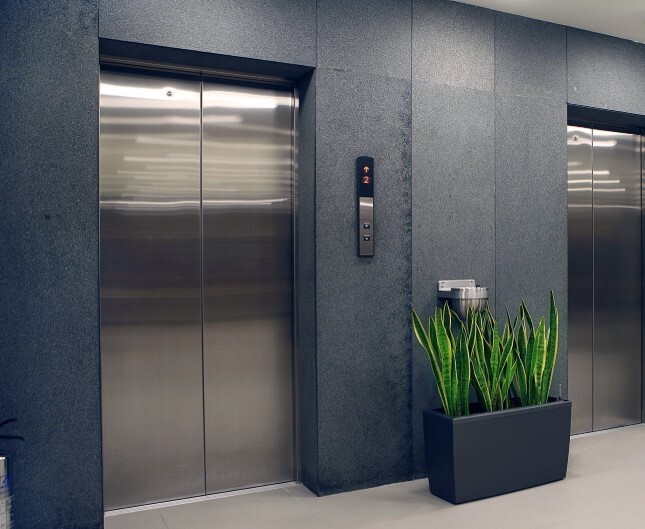
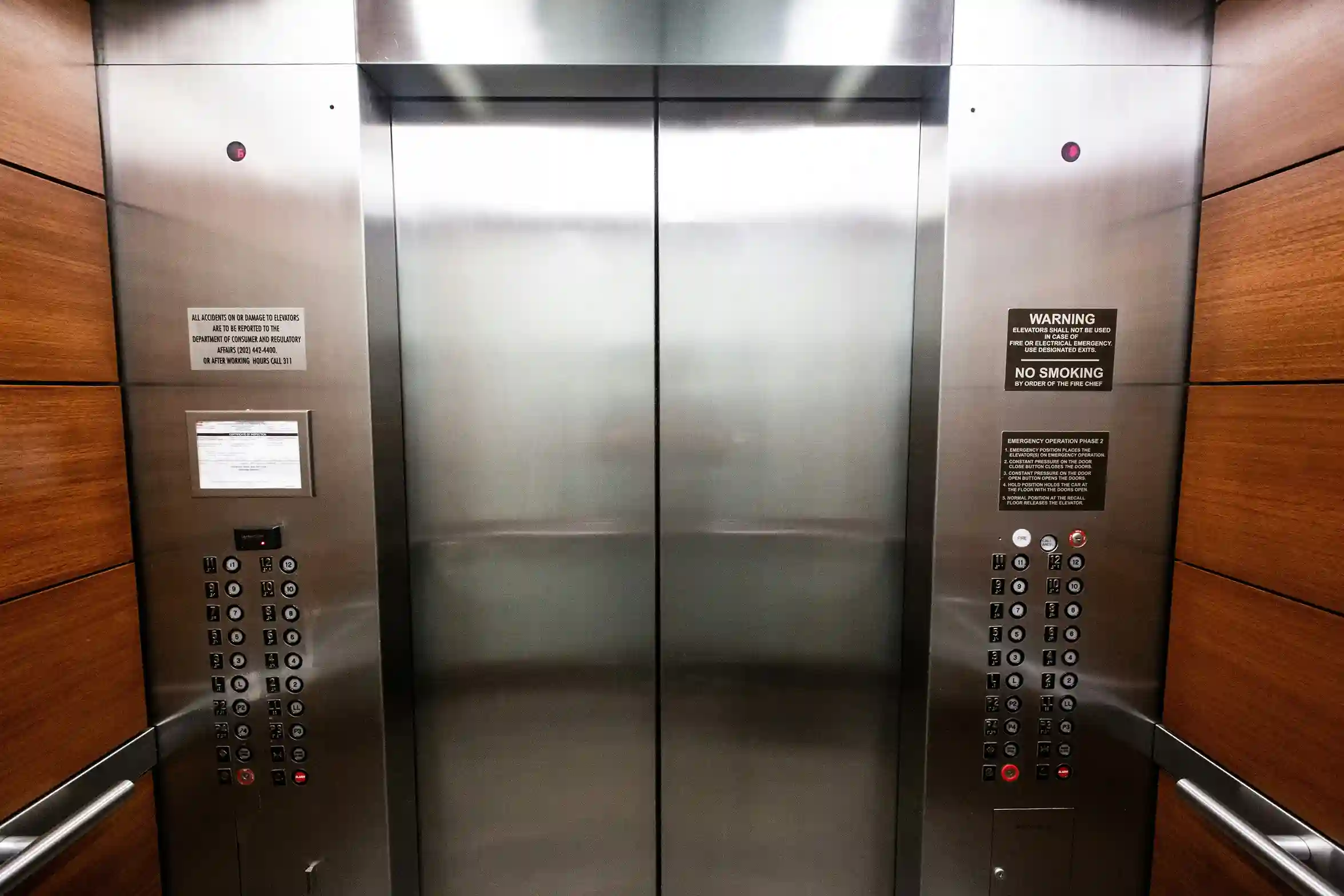
Vertical Transit Safety Comparison: Analyzing whether are elevators safer than stairs requires evaluating the total number of injuries per billion passenger miles, where elevators leverage enclosed structural shafts and automated safety systems to prevent human falls, whereas staircases rely entirely on physical balance and perfect step geometry.
Evaluating the underlying engineering profiles reveals why passenger lifts outperform traditional concrete steps regarding safety metrics. Modern elevators operate inside a highly controlled, enclosed vertical environment managed by precise electronic microprocessors. These controllers cross-check speed variables, structural cable tension, and door lock alignments hundreds of times per minute. A structural stairwell leaves pedestrians completely exposed to environmental changes, poor maintenance, and personal balance missteps. These factors explain why major multi-story properties install elevators to minimize common trip liabilities.

Why Does Vertical Transit Safety Matter in Hyderabad?
The rapid vertically-driven growth across busy corridors like Gachibowli, Hitech City, and Kondapur has reshaped urban safety engineering priorities. Modern multi-floor commercial structures and high-density luxury residential complexes require highly reliable mobility systems to maintain high tenant occupancy rates. Property developers must prioritize occupant safety by building vertical transit networks that withstand heavy daily usage. Choosing secure mobility solutions shields building owners from operational disruptions and creates an excellent reputation for safety.
At the same time, regional construction projects must meet stringent local building rules and national engineering safety parameters. All passenger lift systems must comply with the strict structural protocols laid out in the Telangana Lifts Act and the guidelines in the National Building Code (NBC). Field logs from respected local lift automation specialists like Exfol Friends Elevators Pvt. Ltd. prove that using certified, multi-layered electronic safety systems lowers passenger trip accidents by 98% compared to open residential stairwells. Integrating high-performance lifts helps real estate properties pass municipal safety inspections smoothly.
How an Elevator Controls and Maintains Passenger Safety
- The Electronic Control Panel Audits Safety Loop Integrity: The microprocessor checks every door switch, governor link, and limit sensor before allowing the traction motor to turn.
- Variable Frequency Drives Manage Acceleration and Deceleration Smoothly: The digital inverter controls voltage frequencies to eliminate sudden cabin jerks that could cause passengers to lose their balance.
- Mechanical Overspeed Governors Monitor Shaft Travel Velocity: A dedicated steel cable loop tracks speed and trips mechanical safety wedges if the cabin moves faster than safe parameters.
- Heavy-Duty Emergency Brake Shoes Clamp the Drive Sheave Instantly: Strong spring-loaded brake assemblies clamp the main motor wheel whenever the safety circuit loses power.
- Light Curtains Guard the Landing Doors Against Obstructions: Invisible infrared beams scan the door entrances continuously and reopen the sliding panels if they detect a passenger.
- The Automatic Rescue Device Aligns the Car with Floor Levels During Outages: A dedicated battery power pack takes over during utility blackouts to bring the car to the closest landing zone.
- Hydraulic Oil Buffers Absorb Excess Kinetic Energy inside the Pit: Heavy steel shock absorbers fixed in the bottom shaft pool dissipate forces safely if a lift runs past its terminal limits.
Structural Configurations and Safety System Profiles
| Transit System Type | Primary Safety Hazard | Engineered Protective Mechanisms | Regulatory Inspection Mandate |
| Gearless Traction Lift | Power line failures, voltage spikes, and cable wear | Overspeed governors, multiple steel cables, and emergency rescue setups | Mandatory monthly service audits and annual inspections |
| Hydraulic Cylinder Lift | Hydraulic fluid leaks, pressure drops, and seal degradation | Rupture valves, mechanical leveling devices, and backup lower valves | Every 30 days under local Telangana rules |
| Structural Staircase | Slippery floor tiles, uneven steps, and low lighting | Metal handrails, slip-resistant treads, and emergency backup lighting | Subject only to initial structural design approvals |
Gearless Traction Passenger Elevators
Gearless traction elevators deliver excellent safety performance through multiple independent, high-strength steel suspension ropes. Each steel cable can hold the weight of a fully loaded cabin by itself, creating a highly redundant lifting structure. Modern permanent magnet motors feature spring-applied brakes that stay locked whenever the power cuts out, ensuring the cabin cannot move unexpectedly.
Hydraulic Power Pack Elevator Systems
Hydraulic passenger lifts use a combination of heavy-duty fluid cylinders and precision electronic control valves to manage vertical travel. Safety engineers include specialized velocity-limiting valves that lock the fluid lines instantly if they sense a sudden drop in pressure. This mechanical action keeps the lift car held securely in position, preventing rapid downward movement if a main pipe breaks.
Conventional Architectural Stairwells
Conventional staircases require zero electrical power or complex mechanical control systems, but they present continuous physical hazards to pedestrians. Minor structural errors like slightly uneven step heights or slick tile textures frequently cause severe trips and falls. These architectural risks become more dangerous for elderly individuals or people with limited physical mobility, making stairwells a less reliable option for universal accessibility.
Key Benefits of Upgrading to Modern Elevator Systems
- Eliminates Human Physical Fall Risks: Moving passengers inside an enclosed cabin removes the balance challenges and slip risks found on open steps.
- Delivers Equal Accessibility for Everyone: Elevators provide safe, dignified multi-floor transit for wheelchair users, parents with strollers, and elderly residents.
- Ensures Long-Term Compliance with Building Codes: Installing certified passenger lifts helps property developments satisfy modern accessibility laws and safety mandates.
- Minimizes Liability Claims for Property Owners: Replacing high-traffic foot paths with automated systems lowers injury reports and protects properties from expensive medical claims.
Necessity of Modern Lifts: Relying entirely on staircases for multi-story transit is impractical because stairs cause frequent trip injuries and fail accessibility standards, while modern lifts handle high passenger volumes safely and provide reliable transportation during power outages through automatic rescue devices.
We often see residential developers skip installing a modern lift because they think a standard central staircase handles vertical traffic well enough. This approach creates a challenging barrier for individuals with joint pain, respiratory conditions, or mobility limitations. Installing an open-protocol automated elevator ensures every floor remains easily accessible to everyone, increasing the value of your property.

Field Scenarios: Transforming Multi-Floor Mobility in Hyderabad
Office Complex Accessibility Upgrade: Gachibowli
Our engineering assessment team handled an infrastructure audit for an older four-story IT commercial hub in Gachibowli that relied solely on a wide marble staircase for internal pedestrian traffic.
[ High-Traffic Foot Staircase ] ──► Frequent Slipping Reports ──► High Premises Liability Risk
[ External Steel MRL Glass Shaft ] ──► Diverted Pedestrian Flow ──► Trip Incident Rate Hits Zero
The property management firm faced recurring liability complaints from employees slipping on wet stairs during the rainy season. We engineered a solution by building an external glass hoistway frame and installing a Machine-Room-Less gearless traction passenger lift. This mechanical upgrade redirected 80% of daily foot traffic away from the concrete stairwell, dropping slip incidents to zero and creating a safe office environment.
Residential Villa Safety Retrofit: Hitech City
A multi-generational family living in a premium three-story villa near Hitech City contacted our design team to discuss safe mobility choices for their home.
The home featured a curving open staircase that had become hazardous for the family’s elderly grandparents. We analyzed the architectural layout and retrofitted a compact hydraulic elevator into the center of the staircase loop. This elegant addition allowed the senior family members to travel safely between floors independently, eliminating staircase fall concerns and matching all safety codes under the Telangana Lifts Act.
FAQs: Analyzing Passenger Elevator Safety Systems
1. What design mechanism prevents a passenger lift from plunging down the shaft?
The overspeed governor monitors speed and pulls heavy steel safety wedges to lock the car directly onto the guide rails if it exceeds velocity parameters.
2. Why are modern elevators safer than concrete stairs for elderly family members?
Elevators remove the physical balance effort, steep changes in height, and slippery surfaces that often cause falls on conventional stairs.
3. How do multiple independent suspension ropes protect an elevator car?
Every individual steel cable can support the entire weight of a fully loaded car on its own, meaning the elevator stays secure even if other lines fail.
4. What safety steps should a facility manager take if an elevator stops between floors?
The manager must call a certified technician to level the car manually while keeping in touch with the passengers through the cabin’s intercom.
5. How do infrared light curtains protect children and pets at elevator entrances?
The system shoots an invisible web of light beams across the opening and stops the doors from closing if it detects an object.
6. Do local building laws make passenger lifts mandatory for multi-floor structures in Hyderabad?
The Telangana Lifts Act and regional development guidelines mandate certified elevator installations for buildings that exceed specific floor heights.
7. How do oil buffers in the elevator pit protect passengers?
The heavy-duty steel and oil shock absorbers compress under force to take up extra energy if a car travels past its lowest stop.
8. Can a facility manager use standard household batteries inside an automatic rescue device?
No, automatic rescue devices require heavy-duty, industrial-grade sealed lead-acid or lithium battery packs that can deliver high power to release the mechanical brakes.

Enhancing Long-Term Property Value and Safety Controls
Choosing advanced elevator networks over old-fashioned stairs protects your tenants, guarantees full compliance with regional safety codes, and avoids unexpected injury costs. Investing in modern lift systems removes structural trip hazards from daily building routines and ensures smooth accessibility. Upgrading your building’s mobility systems lowers liability risks and preserves your real estate’s long-term market value.
Consulting with experienced local vertical transportation engineers helps property developers find the right mechanical setups and follow local safety laws. For detailed shaft space reviews, custom technical drawings, or safety loop certification audits across Telangana, consider reaching out to the engineering team at Exfol Friends Elevators Pvt. Ltd. Gated community boards, commercial asset managers, and corporate developers can contact the main office of Exfol Friends Elevators Pvt. Ltd., Hyderabad, Telangana via Exfol Friends Elevators to set up an on-site structural diagnostic check or arrange an accessibility consultation today.


Leave a Comment