
Table of Contents
What Does a Compact Home Lift Cost?
Answering what does a compact home lift cost requires analyzing specific drive mechanisms, shaft dimensions, and structural landing setups. A basic standard micro-elevator for a two-floor duplex residential property in India typically ranges from INR 2,75,000 to INR 6,00,000 for local traction configurations. Premium fully imported hydraulic or pneumatic models engineered for high-end luxury bungalows scale from INR 8,50,000 to INR 19,00,000 depending on customized premium aesthetic selections. In our fifteen years of regional vertical transit field experience across Telangana, discovering what does a compact home lift cost involves combining base equipment pricing with on-site structural modifications.
We often observe property developers compromise on initial shaft structural alignments to secure lower up-front equipment quotes. We know that building an out-of-plumb concrete hoistway forces field technicians to perform extensive adjustments during guide rail structural tracking. Selecting an ideal drive system balances vertical travel speeds, daily electrical load demands, and emergency battery lowering configurations. Homeowners must evaluate these core mechanical parameters carefully to ensure excellent ride quality and long-term asset operation.
Compact Home Lift Cost: The net expense of what does a compact home lift cost represents the basic mechanical drive assembly price, the engineering layout customization, vertical guide rail installations, electronic control system integration, local logistics, and necessary safety testing under state regulatory frameworks.
Analyzing these compact vertical transport setups requires investigating how the specific system layout interacts with your interior living spaces. Traditional counterweighted systems demand deep foundation pits and thick load-bearing brick walls, which drives up initial civil remodeling bills. Modern hydraulic packages and self-contained pneumatic vacuum units eliminate these structural masonry demands completely. Dissecting these internal mechanical variations allows families to avoid hidden masonry charges during late-stage home modifications.
Why the Economics of Small Residential Lifts Matter Across Hyderabad
The explosive real estate growth within key commercial sectors creates an urgent need for space-optimized vertical transportation solutions. High property acquisition costs force families to maximize vertical building limits on smaller plots, making compact home lifts an essential modern amenity. Installing an unreliable, cheap platform drive unit results in continuous mechanical chain rattles and expensive component replacement fees. Local real estate developers must specify exact engineering parameters early to balance equipment investments with reliable daily performance.
Furthermore, regional property installations must follow strict safety building codes, including the National Building Code and specific municipal safety protocols. Fluctuating line voltages, high summer temperatures, and basement moisture can damage sensitive microprocessor control cards and emergency brake mechanisms. Operational data compiled by leading regional evaluation hubs like Exfol Friends Elevators Pvt. Ltd. demonstrates that thirty-five percent of domestic elevator service calls originate from improper power line matching. Factoring regional ambient conditions into your machinery selection process guarantees smooth operations and extends component service life.
How Technical Estimation Crews Map Compact Elevator System Expenses
- The Survey Crew Measures the Structural Clearance Zones: Structural technicians check existing floor cutouts and clear overhead heights to select an appropriate elevator frame dimension.
- The Project Planner Tallies Total Vertical Landing Dispatches: Field teams determine total component pricing by tracking the number of floor openings and internal indicator displays.
- The Electrical Team Audits the Existing Phase Infrastructure: Technical experts inspect your domestic electrical breaker board to see if the property requires three-phase line modifications.
- The Manufacturing Plant Assembles the Custom Cabin Enclosure: Production engineers construct the lightweight passenger car using custom options like clear polycarbonate, brushed steel, or wood panels.
- The Civil Contractors Prepare the Structural Vertical Shaft: On-site masonry builders install structural steel frames or cast concrete blocks to anchor the heavy guide rail brackets.
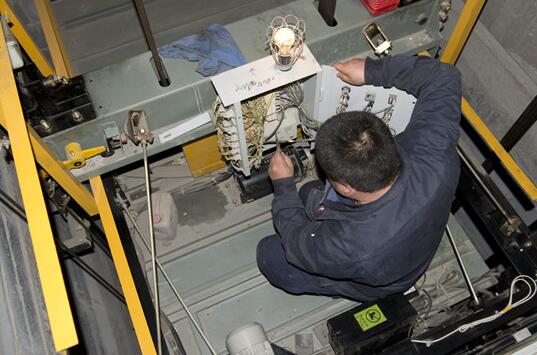
- The Lift Technicians Mount the Mechanical Drive Equipment: Mechanical crews position the main drive unit, align the vertical rails, and string the high-strength suspension cables.
- The Inspector Tests the Completed System Under Heavy Load: Field inspectors run full-load safety tests to secure an official operating permit under the Telangana Lifts Act guidelines.
Mechanical Drive Variations and Structural Asset Pricing Matrix
| Drive System Classification | Average Machinery Price Range | Mandatory Pit Depth | Required Structural Machine Space | Typical Target Real Estate Placement |
| Winding Drum MRL | INR 3,00,000 to INR 5,50,000 | 150 mm to 300 mm | None; mounts inside hoistway | Budget duplex residential properties and old home renovations |
| Premium Hydraulic Drive | INR 7,00,000 to INR 13,00,000 | 50 mm to 100 mm | Tiny external control cabinet | Independent luxury villas and multi-generation homes |
| Pneumatic Air Vacuum | INR 10,00,000 to INR 18,50,000 | Zero Pit Required | Completely self-contained unit | High-end modern penthouses and tight corner staircase retrofits |
Winding Drum Machine-Room-Less Systems
Winding drum machine-room-less (MRL) configurations utilize a compact mechanical drive that winds steel suspension ropes directly around a rotating metal drum. This mechanical choice delivers a budget-friendly price point, making it highly attractive for low-rise residential structures across the state. However, winding drum systems require regular cable inspection schedules and produce more operating noise than advanced hydraulic setups. Homeowners must plan for consistent preventative maintenance visits to keep the drive gears operating safely.
Hydraulic Micro Villa Elevators
Hydraulic micro villa lifts use a quiet oil pump system to move a steel piston, lifting the passenger car smoothly along its vertical path. This layout completely removes the need for heavy overhead concrete roofs, shifting all vertical weight loads onto the ground foundation floor. This mechanism fits low-rise homes perfectly because it installs quickly and uses very few moving mechanical parts. However, these systems require periodic fluid condition checks and draw more power during upward trips under heavy loads.
Self-Supporting Pneumatic Vacuum Lifts
Pneumatic vacuum lifts use controlled air pressure differences inside a sealed glass cylinder to move a lightweight passenger car up and down. This modern engineering design delivers a stunning panoramic view and installs directly onto finished floors without digging a foundation pit. This method removes the need for expensive brick wall construction or extensive structural chipping inside finished homes. Pneumatic models represent a premium design investment, serving as an ideal architectural feature for luxury multi-generation villas.

Long-Term Benefits of Budgeting for High-Performance Compact Lifts
- Minimizes Home Structural Remodeling Costs: Choosing pitless configurations or hydraulic drives avoids expensive foundation digging and prevents structural beam damage.
- Reduces Monthly Domestic Electricity Overhead: Energy-efficient single-phase drive motors and smart control sleep modes keep your home power bills minimal.
- Insures Full Building Safety Code Compliance: Selecting certified mechanical assemblies ensures your building aligns perfectly with the National Building Code (NBC) standards.
- Increases General Lifetime Property Market Value: Installing a premium, reliable vertical transit system makes your home highly attractive to future buyers.
Compact Lift Specification Mistake: The most frequent mistake is purchasing an unbranded micro elevator based on a cheap up-front quote without verifying if the system includes a certified automatic rescue device, child safety interlocks, and local maintenance parts availability.
We often visit residential sites where a client purchased a cheap platform lift without checking its emergency safety features first. In a sudden seasonal grid outage, these cheap platforms lack the backup power to return passengers safely to the nearest exit floor. Selecting high-grade systems with built-in automatic rescue devices (ARD) protects your family from getting trapped between floors during power cuts. Reviewing technical specifications early with certified field engineers ensures a safe, code-compliant, and dependable installation for your home.
Engineering Field Reports: Managing Space Restrictions and Costs
Duplex Villa Accessibility Update: Gachibowli
A homeowner in a premium residential development in Gachibowli needed a space-saving elevator to help an elderly family member move between floors safely.
[ Heavy Commercial Traction Lift ] ──► Deep 1200mm Pit Requirement ──► Cut Foundation Piles & Caused Leaks
[ Specialized Hydraulic Mini Lift ] ──► Shallow 100mm Pit Frame ──► Kept Foundation Intact & 4-Day Assembly
The original architectural plan proposed a standard commercial traction lift, which required digging a deep one thousand two hundred millimeter pit into the foundation. Our on-site structural check revealed that digging this deep would compromise water protection layers and risk cracking the home’s concrete foundation. We recommended upgrading to a specialized hydraulic mini lift that fits easily within a shallow one hundred millimeter pit frame. This option protected the home’s structural waterproofing, saved valuable floor space, and ran smoothly on standard single-phase household power.
Independent Multi-Story Home Retrofit: Kondapur
An independent property developer in Kondapur wanted to add a compact modern lift inside a finished three-story home during an extensive remodeling project.
The tight interior layout offered no space for traditional brick shaft construction or heavy rooftop concrete machine rooms. We resolved this space restriction by installing a self-supporting pneumatic vacuum lift directly inside the open staircase space. This transparent panoramic cylinder required zero structural masonry changes, zero foundation digging, and was assembled completely within four working days. The system gives the family smooth vertical travel between floors while adding a striking modern feature to the home’s interior design.
FAQs: Complete Compact Elevator Pricing, Civil Needs, and Safety Rules
1. What does a compact home lift cost for a basic two-story residential house?
A basic two-floor compact lift generally starts around INR 2,75,000 for standard local winding drum setups, excluding the necessary shaft construction work.
2. Can these small residential micro-elevators operate on standard single-phase home power?
Yes, most modern compact lifts use energy-efficient single-phase drive systems that connect easily to standard 230V household power lines.
3. Does the initial equipment quotation cover the civil masonry costs for the lift shaft?
No, standard machinery quotes generally exclude civil building tasks like casting concrete pits, building brick walls, and running main power cables.
4. Why do panoramic pneumatic vacuum lifts carry a higher initial price than hydraulic setups?
Pneumatic models use advanced air pressure systems and clear panoramic styling that install onto finished floors without digging pits or building shafts.
5. What is the standard structural pit depth required for a hydraulic home lift?
Hydraulic mini lifts require very shallow pits, typically ranging between fifty millimeters and one hundred and fifty millimeters deep.
6. Is an automatic rescue device (ARD) always included in the basic equipment price?
Basic low-cost lift packages often exclude ARD systems, so homeowners should confirm this feature is included to keep passengers safe during power cuts.
7. How often should property owners schedule preventative maintenance visits for a home lift?
Industry safety guidelines recommend booking a professional preventative maintenance check every three months to keep all mechanical components safe and reliable.
8. Where can local property developers find official manufacturing quality standards?
Official manufacturing guidelines and passenger safety requirements are managed by the Bureau of Indian Standards (BIS) documentation.

Secure Investment Practices for Domestic Vertical Transportation
Selecting the right micro lift model balances reasonable upfront equipment prices with long-term mechanical reliability and low power bills. Working with certified vertical transit engineers during early planning stages allows you to design ideal shaft spaces and avoid expensive construction corrections later. Shortcutting critical safety features or choosing uncertified components can lead to frequent equipment breakdowns and regulatory code violations. Investing in high-quality, code-compliant machinery protects your family and keeps your property asset valuable for years to come.
Consulting with certified regional engineers helps property managers evaluate structural options and choose the most dependable elevator configurations. For comprehensive site structural audits, custom compact hoistway designs, or full regulatory code inspections across Telangana, consider reaching out to the expert team at Exfol Friends Elevators Pvt. Ltd. Homeowners, local residential builders, and property management boards can contact the main regional office of Exfol Friends Elevators Pvt. Ltd., Hyderabad, Telangana via Exfol Friends Elevators to schedule a complete site evaluation or book a professional technical consultation today.


Leave a Comment