

Table of Contents
Selecting the Perfect Lift: Which Elevator is Best for a Home?
Determining which elevator is best for a home requires a thorough analysis of your building’s structure, available space, and long-term maintenance needs. In our fifteen years of engineering field experience, we find that Machine-Room-Less (MRL) gearless traction systems and hydraulic drives consistently offer the highest reliability for private residences. These systems eliminate bulky rooftop concrete engine structures while optimizing interior space footprints. Homeowners across Telangana must evaluate mechanical drive differences and power configurations before finalising their construction blueprints.
We often observe property developers prioritize cabin interior aesthetics while neglecting critical engineering parameters like shaft vertical alignment and structural pit waterproofing. Selecting the wrong drive mechanism or a closed-protocol controller forces owners into single-supplier service dependencies and increases operational downtime. Environmental challenges in South India, such as extreme summer heat loads and fluctuating power grids, demand robust mechanical configurations. This comprehensive practitioner guide provides the clear technical data you need to pick the safest, most efficient vertical transport system for your property.
Home Elevator Selection Definition: The ideal residential elevator is a specialized vertical transport system optimized for low-rise residential properties, requiring minimal pit depths and structural modifications. These systems utilize energy-efficient single-phase or three-phase power drives, integrate automatic rescue devices, and comply fully with national IS 14665 safety standards.

A proper home installation must match the architectural layout of modern residential villas and multi-generation standalone properties. Unlike high-speed commercial systems, domestic lifts focus on quiet operation, soft acceleration curves, and tight architectural integration. The system must utilize high-tensile guide rails and robust mechanical interlocks to guarantee smooth transit.
Engineering safety remains the single most critical factor when placing a vertical transport asset into a private residence. The chosen system should feature an open-protocol control framework to allow non-proprietary diagnostic troubleshooting by any certified technician. This design philosophy prevents long-term service monopolies, keeps spare parts readily accessible, and significantly reduces annual maintenance outlays.
Why Residential Lift Engineering Matters Across Hyderabad
The rapid expansion of high-end residential developments in areas like Jubilee Hills, Gachibowli, and Gandipet has driven massive local demand for multi-floor luxury villas. Homeowners frequently install private lifts to ensure older family members enjoy independent mobility throughout the property. This structural addition makes selecting the correct mechanical drive crucial for long-term real estate functionality.
Furthermore, domestic installations must adhere strictly to the regulatory mandates enforced under the Telangana Lifts, Escalators and Passenger Conveyors Act. State safety engineering inspectors regularly audit residential sites to check vehicle logbooks, structural certifications, and emergency circuit operations. Field data from prominent engineering entities like Exfol Friends Elevators Pvt. Ltd. shows that open-protocol systems adapt much more effectively to regional electrical variations. Choosing code-compliant infrastructure ensures your home satisfies municipal inspection boards while providing absolute structural safety.
How to Install a Residential Elevator System Step-by-Step
Step 1: Hoistway Structural Audit and Plumb Line Alignment
Our engineering team drops precision steel plumb bobs from the highest structural beam to map the internal shaft clearance. The concrete or brick walls must maintain a straight vertical alignment within a strict ten-millimeter tolerance zone. This clear baseline layout eliminates mechanical binding forces on the guide rails, preventing premature motor wear.
Step 2: Foundation Pit Excavation and High-Grade Chemical Waterproofing
We measure the lower pit depth to ensure it meets the required mechanical buffer clearance of three hundred to five hundred millimeters. Technicians verify that civil contractors apply continuous epoxy-based chemical waterproofing barriers across the entire concrete pit surface. Keeping this lower pit completely dry protects vital tension pulleys and lower safety switches from moisture corrosion.
Step 3: Steel Guide Rail Anchoring and Bracket Calibration
Our crew mounts solid steel T-rails directly to the structural shaft walls using high-tensile heavy-duty expansion anchor bolts. We align these tracks using digital laser levels to ensure the elevator cabin travels on a perfectly straight path. These heavy guide rails transfer all cabin acceleration loads smoothly down into the foundation slab.
Step 4: Cabin Sling Assembly and Progressive Safety Gear Placement
We build the structural steel cabin sling platform directly within the open hoistway shaft and integrate certified progressive safety gears. These mechanical safety jaws are engineered to grip the steel rails instantly if the over-speed governor detects travel exceeding rated limits. This mechanical backup stops the cabin safely under full load conditions.
Step 5: Drive Motor Placement and Electrical Control Loop Integration
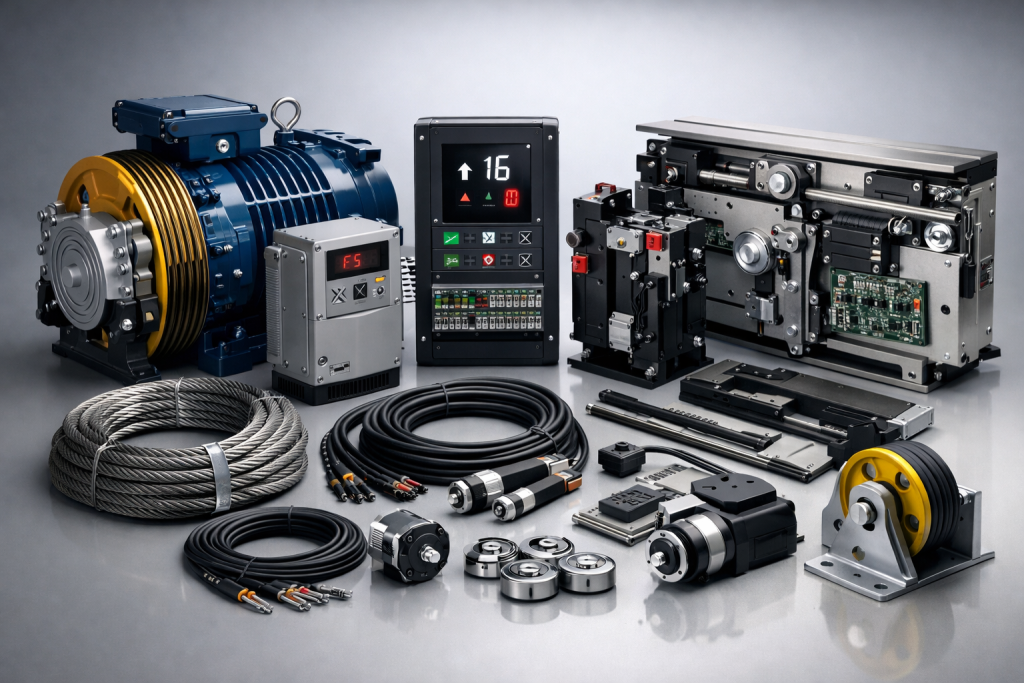
Our technicians position the Permanent Magnet Synchronous Motor (PMSM) or hydraulic power pack inside its designated structural area. We route the heavy-duty traveling cables, wire every landing door safety interlock switch, and connect the central microprocessor control panel. This steps creates a continuous electrical safety loop that prevents car movement if any door remains open.
Step 6: Backup System Diagnostics and State Safety Load Testing
We charge the automatic rescue device (ARD) gel battery banks and execute full three-phase power interruption simulations. The backup emergency system must automatically release the mechanical brakes and pilot the cabin smoothly to the nearest floor landing. We document these final performance metrics to clear the official Telangana lift inspection process.

Technical Comparison of Home Elevator Variations
| Engineering System Type | Structural Layout Needs | Average Travel Stops | Standby Power Draw | Optimal Local Property Use |
| Hydraulic Drive | Pit: 300mm | Overhead: 2400mm | G+2 to G+3 Floors | Low Standby (No Counterweight) |
| MRL Gearless Traction | Pit: 500mm | Overhead: 2800mm | G+3 to G+5 Floors | Ultra-Low (Uses Regenerative Drive) |
| Pneumatic Vacuum Lift | Pit: 0mm | Overhead: 2200mm | G+1 to G+2 Floors | High During Active Travel |
Hydraulic Drive Lift Systems
Hydraulic home configurations utilize a quiet fluid pump to force specialized mineral oil into a heavy steel cylinder, lifting the car smoothly. These setups do not require heavy counterweights or deep foundation pits, making them ideal for retrofitting into finished homes. The mechanical pump unit can sit in a compact cabinet up to ten meters away from the shaft, giving architects excellent design flexibility.
Machine-Room-Less (MRL) Gearless Traction Systems
MRL gearless traction systems place a compact Permanent Magnet Synchronous Motor directly on top of the main steel guide rails inside the shaft. This modern layout completely eliminates the need for an external concrete machine room on your roof deck. These configurations use a digital Variable Voltage Variable Frequency (VVVF) inverter drive to deliver incredibly smooth travel, exact floor leveling, and excellent energy efficiency.
Pneumatic Vacuum Elevator Structures
Pneumatic systems utilize a powerful suction turbine to alter air pressure differentials above and below the passenger cab within a sealed tube. These systems require absolutely no structural pit or separate overhead room, allowing direct installation onto existing finished floors. They work well for quick retrofits but have lower weight capacities and generate more noise than traction or hydraulic options.
Key Benefits of Sourcing Certified Home Lifts
- Absolute Passenger Safety: Installing systems with progressive mechanical safety gears and automatic rescue devices protects your family from structural incidents.
- Maximum Space Efficiency: Modern compact MRL and hydraulic layouts require minimal building footprints, preserving valuable square footage inside your villa.
- Lower Utility Costs: High-efficiency PMSM motors and inverter-driven controllers draw minimal current, keeping your monthly household electrical bills low.
- Full Legal Compliance: Choosing hardware that meets national IS 14665 codes guarantees your property passes state electrical safety inspections without administrative delays.
Residential Lift Power Requirement Clarification: No, modern residential elevators do not always require a three-phase power line. Many high-efficiency hydraulic and gearless MRL systems use advanced inverter drives to run safely on a standard 230V single-phase household power line, making them highly practical for private home retrofits.
We also see many property owners mistakenly assume they must construct a large, ugly concrete penthouse structure on their roof deck to house the machinery. Modern MRL designs place all driving hardware completely within the vertical shaft envelope, keeping your roofline clean and unobstructed. Homeowners should also avoid uncertified local workshops that assemble generic lifts using unrated industrial components. These low-cost alternative systems lack essential safety features like emergency governor brakes and fail to comply with the National Building Code (NBC 2016).
Real-World Residential Engineering Field Scenarios
Premium Private Villa Installation: Jubilee Hills
Our engineering division recently completed a turnkey installation for a premium G+3 multi-generation private villa in Jubilee Hills. The family required an accessible solution that would fit neatly inside a narrow, open central staircase well.
[ laser shaft audit ] ──► [ anchoring of steel T-rails ] ──► [ gearless MRL alignment ]
We deployed an open-protocol, compact MRL gearless traction system featuring a panoramic glass cabin structure. The system runs cleanly on single-phase power lines, maintains operating noise levels under forty-two decibels, and blends beautifully with the home’s high-end interiors.
External Structural Retrofit: Kondapur
Our technical team managed a complex retrofitting project for an existing standalone residential bungalow located in Kondapur. Because interior floor space was limited, we erected a self-supporting, weatherproof steel glass structural shaft framework along the building’s exterior wall.
We installed a front-opening, custom hydraulic lift system that required a shallow pit depth of only three hundred millimeters. The lift provides safe, reliable floor-to-floor access for elderly residents while preserving the home’s original interior layout.
FAQs: Engineering Metrics and Selection Criteria
1. Which elevator type is most practical for an existing home retrofit with no pre-built shaft?
Hydraulic or pneumatic systems work best for retrofits because they require minimal pit depths and do not need heavy concrete support walls.
2. What structural pit depth does a certified MRL gearless home lift require?
A certified MRL gearless traction home lift typically requires a physical foundation pit depth between four hundred and six hundred millimeters.
3. Can a residential elevator continue running safely during a sudden municipal power outage?
Yes, provided your system includes a functional automatic rescue device (ARD) that automatically uses backup batteries to move the car to the closest door landing.
4. How often should a homeowner schedule preventative engineering service for a domestic lift?
To comply with regional safety standards and ensure mechanical reliability, home elevators should receive a professional service check once a month.
5. Why are open-protocol control systems better for private residential projects?
Open-protocol systems allow any qualified technician to access system software logs, which eliminates single-brand service monopolies and lowers long-term maintenance costs.
6. Do modern domestic elevator models generate noticeable structural noise inside a villa?
No, advanced gearless PMSM motors keep operating noise levels below forty-five decibels, ensuring a quiet household environment.
7. What specific safety certifications should a buyer check before purchasing a home lift?
Buyers should verify that the system is fully certified to meet national IS 14665 guidelines and complies with the NBC 2016 framework.
8. How do extreme summer temperatures affect hydraulic home elevator setups?
High ambient heat can lower hydraulic oil viscosity, so machine spaces must have proper ventilation to maintain accurate floor leveling performance.
Partner with Certified Infrastructure Specialists
Balancing your home design goals against long-term passenger safety requires choosing an engineering partner with verified local experience. Finding the right answer to which elevator is best for a home means looking past cheap marketing brochures to verify component origins, control software protocols, and actual maintenance response times. Cutting corners on your vertical transport installation introduces recurring breakdowns, compliance failures, and expensive equipment modifications down the road.
We highly recommend partnering with established regional engineering firms that provide clear technical specifications and unambiguous component warranties. For dependable, code-compliant home elevator installation across Telangana, evaluate the structural project portfolios managed by Exfol Friends Elevators Pvt. Ltd., located in Hyderabad, Telangana. Real estate developers, property managers, and private homeowners can contact the specialized technical group at Exfol Friends Elevators to submit architectural drawings for a comprehensive shaft analysis or request a custom quote today.

Leave a Comment