
Table of Contents
Top Signs Your Building Elevator Needs Repair
Recognizing the Warning Signs of Elevator Failure
As a building owner or facility manager in Hyderabad, your elevator system is the heartbeat of your property’s vertical mobility. When that heartbeat becomes erratic, it is rarely a coincidence. Elevators are precision-engineered machines designed for consistency, and any deviation from smooth, quiet operation is usually an early warning signal of an underlying mechanical or electrical fault.
Ignoring these subtle indicators does not just lead to higher repair bills later; it introduces avoidable safety risks for tenants, residents, and visitors. Recognizing these signs early allows you to transition from reactive, emergency repairs to a structured, preventative maintenance strategy, ensuring your equipment serves you for its full intended lifespan.
What is Elevator Wear and Tear?
Elevator wear and tear refers to the cumulative degradation of mechanical, electrical, and structural components within a vertical transportation system, typically caused by daily operational stress, environmental factors, or the natural aging of critical parts.
Why Recognizing These Signs Matters
In a rapidly developing city like Hyderabad, buildings face unique operational pressures. High-density usage in commercial hubs like Gachibowli, combined with the city’s characteristic dust and seasonal temperature fluctuations, places significant stress on elevator control systems and door operators.
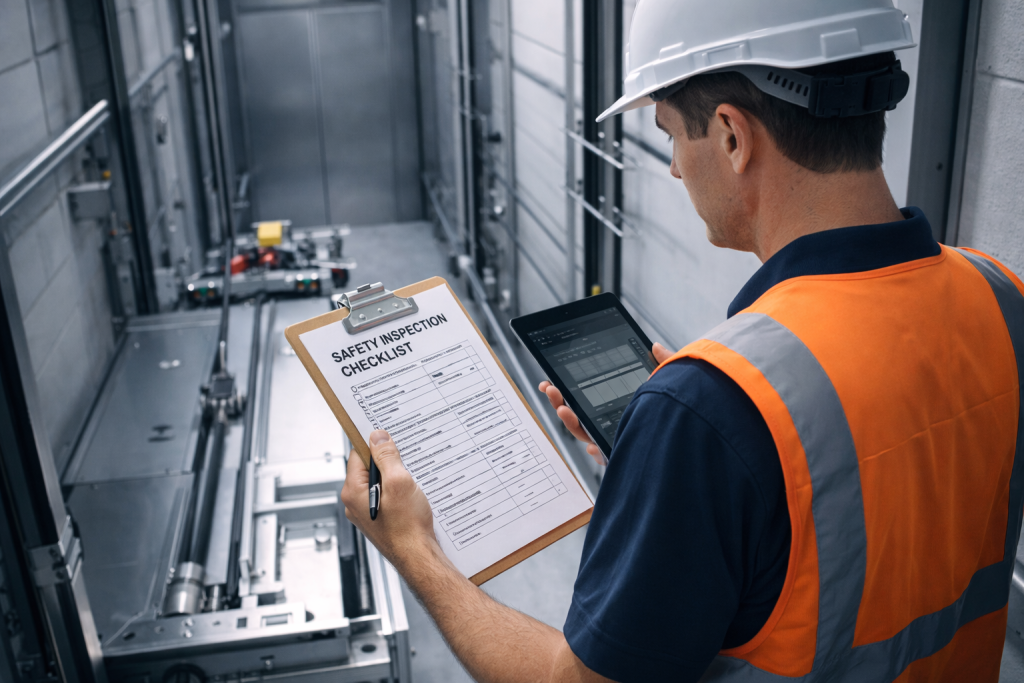
Proactive identification of repair needs is essential for several reasons:
- Safety Assurance: Elevators are governed by strict safety circuits. A small malfunction, if ignored, can trigger a system-wide shutdown or, worse, compromise passenger safety.
- Operational Continuity: In residential societies, a broken lift is more than an inconvenience—it is a critical accessibility issue.
- Regulatory Compliance: Maintaining a documented history of repairs and adhering to safety standards is a legal responsibility for building owners.
How Does It Work?
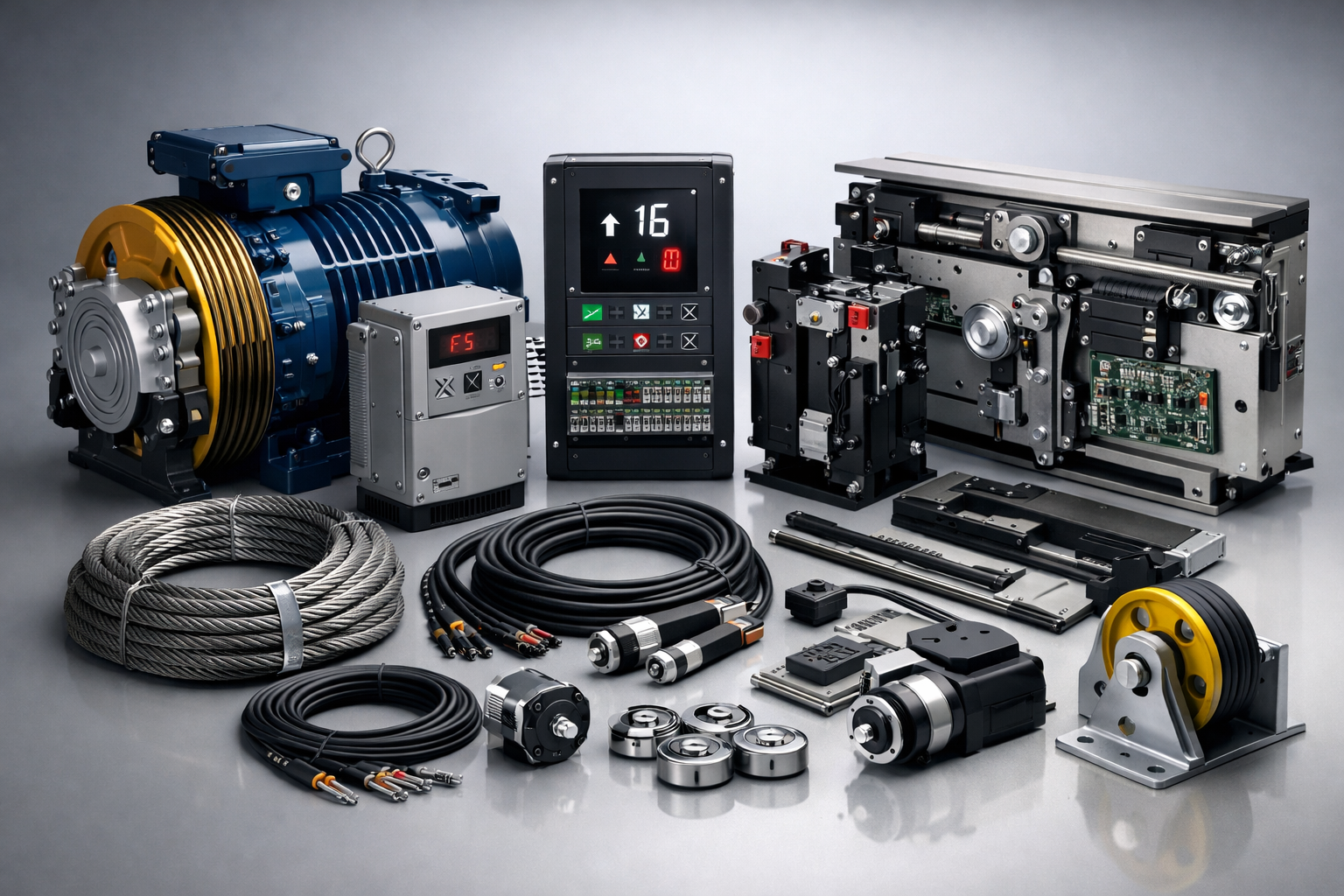
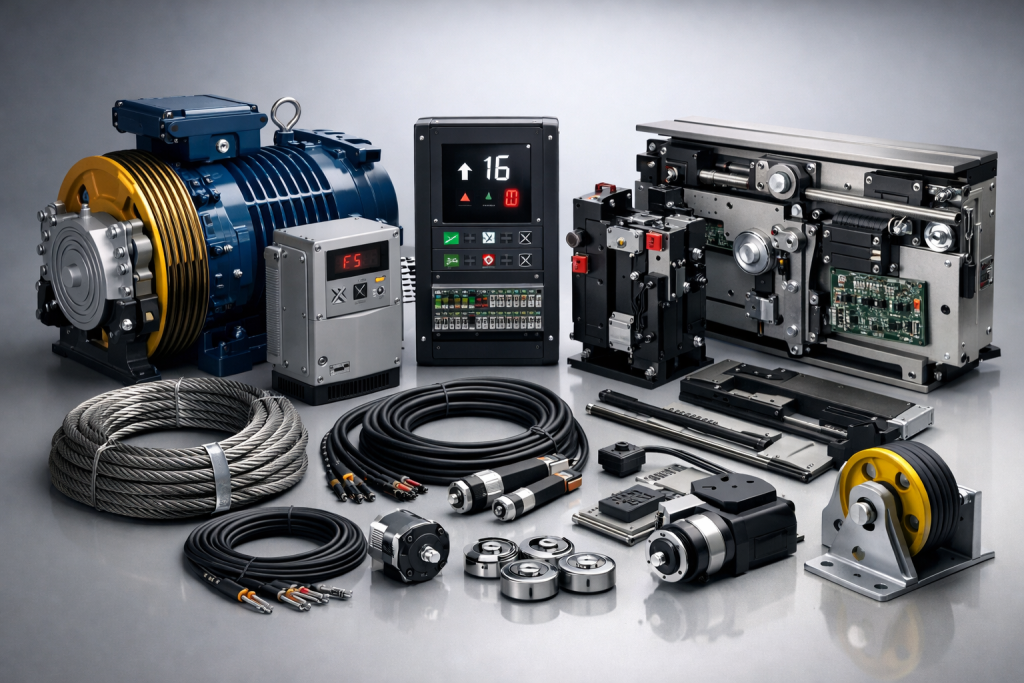
Elevator systems operate on a closed-loop feedback mechanism. When you press a call button, a controller sends a signal to the motor to move the car. Sensors verify the position, and the system coordinates the movement. Repair issues arise when one of these components—the controller, the motor, the door sensor, or the leveling mechanism—fails to perform its specific role within the sequence.
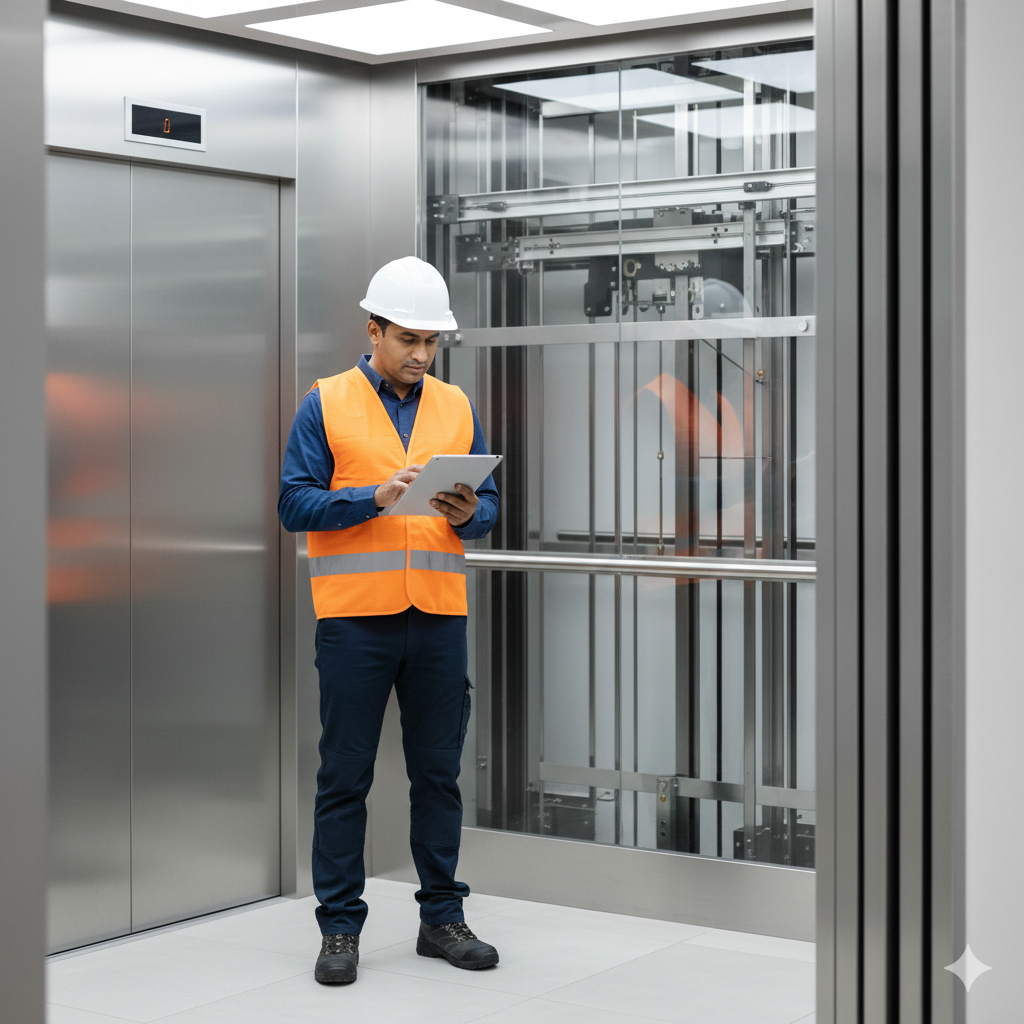
Top Signs Your Elevator Needs Professional Attention
1. Unusual Noises and Vibrations
A well-functioning elevator should be nearly silent. Grinding, squeaking, or banging noises are direct indicators that components are rubbing, lack lubrication, or are misaligned. Vibrations during travel suggest worn guide rail shoes or suspension issues that require immediate investigation.
2. Inconsistent Floor Leveling
If the elevator stops slightly above or below the landing, it is not just a nuisance; it is a significant tripping hazard. Leveling issues often stem from worn-out brake components or miscalibrated sensors that need recalibration to ensure a seamless entry and exit.
3. Door Malfunctions
Elevator doors are the most frequently used—and consequently, most failure-prone—parts of the system. If you notice doors hesitating, slamming, or failing to reverse when an obstruction is present, the door operator system requires professional diagnostic attention.
4. Sluggish or Erratic Movement
Does the elevator feel slower than usual, or does it hesitate between floors? This can indicate an overworking motor, aging electrical relays, or a struggling drive system. It suggests that the system is no longer operating at its peak efficiency.
5. Unresponsive Call Buttons
When buttons require multiple presses or fail to light up, it indicates a failure in the electrical contact or the underlying control board. This is a common early indicator of control system obsolescence in aging buildings.
Real-World Scenarios
In Residential Societies
Residents may notice the lift failing to arrive promptly during peak morning hours. This often points to a “traffic management” issue where the control system can no longer handle the load efficiently, often requiring a controller upgrade or specialized tuning.
In Commercial Towers
In a high-rise office building, erratic stopping or jerky movements can cause significant disruption. For facility managers, these are clear signs that the motor or the drive mechanism is under excessive stress and requires an urgent load test and safety audit.
FAQs
1. How often should an elevator be inspected? Routine preventive maintenance should be conducted monthly. Official safety inspections should adhere to local government and insurance mandates.
2. Is a grinding noise always serious? Yes. Grinding typically indicates metal-on-metal friction, which leads to permanent damage if left unaddressed.
3. Why does my elevator stop between floors? This is often caused by a safety circuit interruption, which can be triggered by door sensor issues or electrical faults in the control logic.
4. Can I fix minor lift issues myself? No. Elevator systems are complex and governed by stringent safety regulations. All repairs must be performed by certified, qualified professionals.
5. How long is the lifespan of an elevator? With consistent maintenance and timely component upgrades, a high-quality elevator can provide 20 to 25 years of reliable service.
6. What is the difference between repair and modernization? Repair fixes a specific, immediate failure. Modernization is a strategic upgrade of obsolete systems (like controllers) to improve overall reliability and efficiency.
Ensuring Long-Term Reliability
Your elevator system is an investment in your building’s infrastructure. By staying alert to these top warning signs, you protect that investment and ensure the safety of everyone who relies on it daily.
At Exfol Friends Elevators Pvt. Ltd., we provide specialized diagnostic and repair services tailored to the specific needs of Hyderabad’s diverse building stock. Our approach is built on technical transparency and long-term reliability.
If you have noticed any of these warning signs in your building, do not wait for a complete system failure. Contact our professional team today for a comprehensive site assessment and peace of mind.



Leave a Comment