
Table of Contents
Lift Elevator Price Near Me Hyderabad: Engineering Cost & Selection Analysis
A standard passenger lift elevator price near me in Hyderabad ranges between ₹6,00,000 and ₹25,00,000 for residential and light commercial properties in 2026. Evaluating quotes requires analyzing mechanical drive types, civil shaft requirements, component origins, and statutory compliance under the Telangana Lifts, Escalators and Passenger Conveyors Act.
In our experience managing vertical transport installations across Gachibowli, Kondapur, and Jubilee Hills, initial estimates often omit civil modifications, three-phase power upgrades, and safety certifications. This comprehensive guide breaks down exact cost factors, engineering specifications, and local regulatory requirements to help builders, facility managers, and homeowners make an informed purchase.

What Is a Lift Elevator Price Near Me Estimate?
Snippet Definition: A lift elevator price near me estimate reflects the total capital expenditure required to supply, install, commission, and license a vertical transportation system for a specific site. It encompasses the core mechanical drive, passenger cabin, control panel, structural guide rails, safety gear, labor, and local statutory clearances.
+-----------------------------------------------------------------------+
|                 LIFT ELEVATOR COST BREAKDOWN MATRIX                  |
+-----------------------------------------------------------------------+
|  Hardware & Electronics (55-65%) : Motor, Controller, Cabin, Rails    |
|  Civil & Electrical Work (15-25%) : Pit Excavation, Shaft, Power Line |
|  Labor & Commissioning (10-15%)  : Rigging, Alignment, Safety Run   |
|  Statutory Licensing (3-5%)       : CEIG Permits, Inspections, Tax    |
+-----------------------------------------------------------------------+
When requesting local pricing, property owners must evaluate the complete asset lifecycle cost. A low upfront hardware price often translates to higher energy bills, frequent maintenance breakdowns, and difficult spare part sourcing if the installer uses proprietary or uncertified components.
Why Does Lift Elevator Price Evaluation Matter in Hyderabad?
Hyderabad’s rapid real estate expansion has driven demand for vertical transport across high-rise commercial hubs, gated villa communities, and retrofitted multi-generational urban homes. Local environmental conditions directly impact component wear and overall pricing models.
Summer ambient temperatures in Telangana frequently exceed 40°C. Inadequate machine room ventilation or poorly insulated Machine Room-Less (MRL) shaft tops cause variable-voltage variable-frequency (VVVF) drive capacitors to overheat, leading to intermittent system shutdowns. Data from local technical audits by vertical transit specialists like Exfol Friends Elevators indicates that nearly 65% of regional elevator service faults stem from unmitigated power voltage fluctuations and dust accumulation inside control panels.
Furthermore, regulatory scrutiny in Telangana mandates strict compliance with Bureau of Indian Standards (BIS) safety codes. Installing substandard or non-compliant machinery exposes building owners to legal liabilities, insurance rejections, and municipal penalties.
How Does the Elevator Installation and Pricing Process Work?
Executing a certified vertical transportation project requires following a strict chronological engineering process:
- Site Audit and Structural Survey: Engineers measure clear shaft dimensions, plumb alignment, pit depth, overhead clearance, and power availability.
- Technical Specification and Proposal: The provider matches traffic density demands with drive capacity (hydraulic, geared, or gearless) and generates an itemized bill of materials.
- Civil Shaft Preparation: The property owner or builder constructs a plumb shaft, waterproofs the pit floor, and prepares structural support pocket beams.
- Permit to Erect (Form-A) Filing: The installer submits engineering drawings and structural stability certificates to the Chief Electrical Inspectorate to the Government (CEIG) of Telangana.
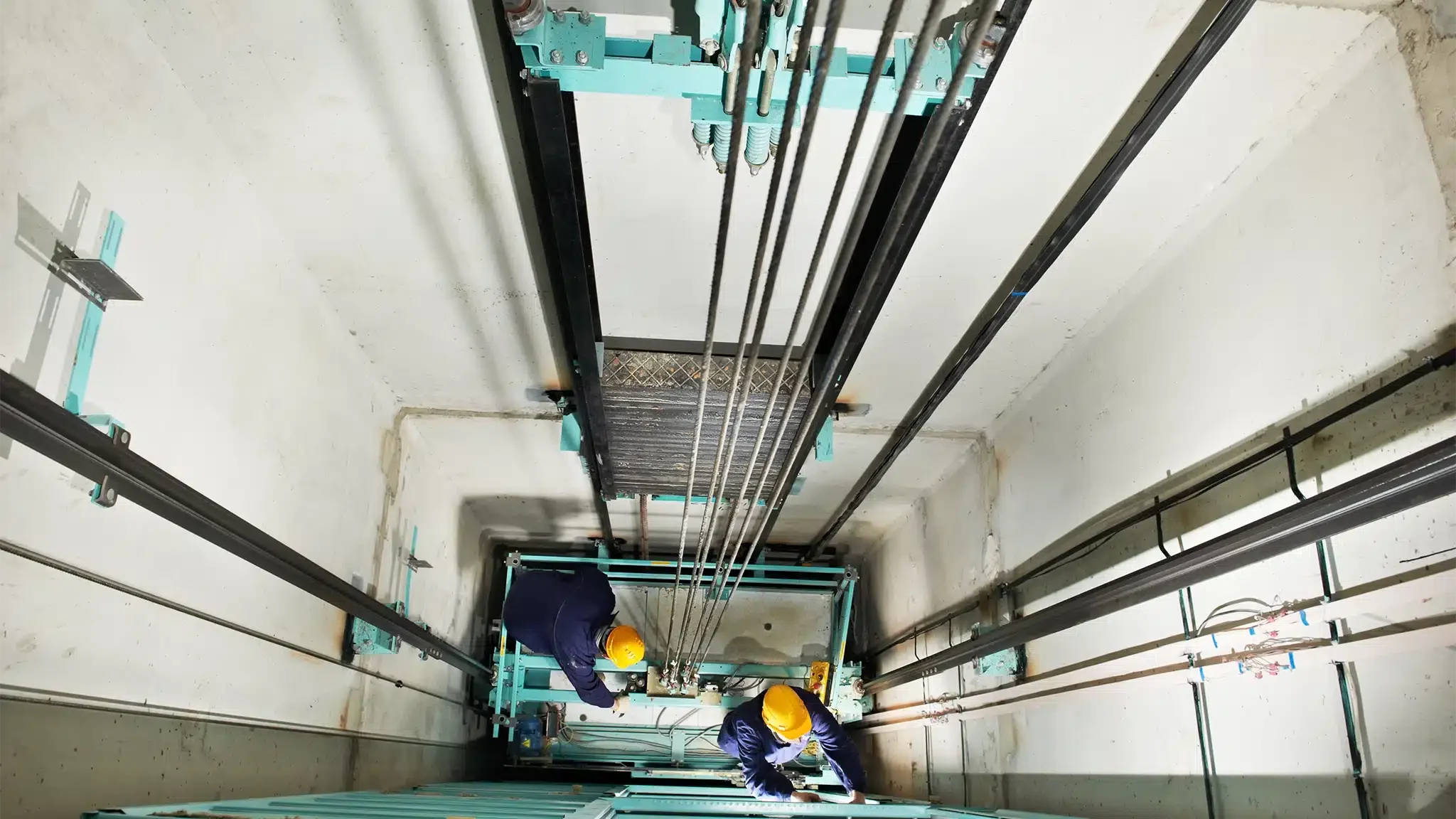
- Mechanical Rigging and Rail Alignment: Technicians mount structural T-guide rails using expansion brackets, align them with lasers, and position the counterweight frame and drive motor.
- Electrical Cabling and Safety Circuit Integration: Field crews connect the control panel, wire landing door interlocks, install emergency alarms, and set up the Automatic Rescue Device (ARD).
- Dynamic Load Testing and Safety Drop Run: The system undergoes full-load safety tests (at 110% rated capacity) to verify overspeed governor brake engagement.
- CEIG Field Inspection and Operating License (Form-B): A government inspector audits the site and issues the official License to Run.

Types of Elevator Systems and Regional Price Comparison
The propulsion technology selected for your building dictates the base cost, civil requirements, and long-term energy profile.
| Elevator Technology | Typical Capacity | Price Range in Hyderabad (INR) | Civil Shaft Requirements | Best Suited Applications |
| Hydraulic Piston Lifts | 2 to 4 Passengers | ₹6,00,000 – ₹11,00,000 | Low pit (300mm), low overhead (2800mm) | Low-rise independent homes, private villas (G+3 max) |
| Gearless MRL Traction Lifts | 4 to 8 Passengers | ₹9,50,000 – ₹18,00,000 | Standard pit (1100mm), overhead (3800mm) | Modern apartments, gated communities, offices |
| Pneumatic Vacuum Glass Lifts | 2 to 3 Passengers | ₹12,00,000 – ₹22,00,000 | Zero pit, zero headroom modifications | Retrofits in existing houses without built shafts |
| Heavy-Duty Commercial Freight | 10 to 30 Passengers / Goods | ₹18,00,000 – ₹35,00,000+ | Deep pit (1500mm+), heavy beam supports | Commercial towers, hospitals, industrial warehouses |
+-----------------------------------------------------------------------+
|                    DRIVE SYSTEM COMPARISON SUMMARY                    |
+-----------------------------------------------------------------------+
|  HYDRAULIC LIFT                                                       |
|  ├─ Low upfront cost | Minimal overhead requirement                   |
|  └─ Higher power draw during ascent | Temperature-sensitive fluid     |
|                                                                       |
|  GEARLESS TRACTION (MRL)                                              |
|  ├─ 30-40% lower energy consumption | Exceptionally smooth ride       |
|  └─ Requires deeper pit and precise vertical shaft alignment          |
+-----------------------------------------------------------------------+
Hydraulic Elevators
Hydraulic systems push the cabin upward using a fluid-driven piston. They suit low-rise private residences because the drive pump can sit in a compact cabinet up to 10 meters away from the shaft, eliminating the need for a rooftop machine room.
Gearless Machine Room-Less (MRL) Traction Elevators
MRL elevators utilize a permanent magnet synchronous motor (PMSM) mounted directly inside the top of the shaft. They deliver high energy efficiency, quiet operation, and smooth deceleration curves, making them the standard choice for multi-story residential and commercial buildings.
Pneumatic Vacuum Elevators
Vacuum lifts use air pressure differentials inside a self-supporting polycarbonate cylinder to raise and lower the car. They require minimal civil work but carry a higher equipment cost per passenger seat.
Key Benefits of Investing in Certified Vertical Transport
Selecting a certified, high-grade elevator delivers long-term operational and financial value:
- Passenger Protection: Fully compliant systems feature infrared light curtains, overspeed safety gears, phase-reversal protection, and mandatory Automatic Rescue Devices (ARD) that automatically move the cabin to the nearest floor during power outages.
- Energy Cost Optimization: Modern gearless MRL motors paired with VVVF inverter drives reduce baseline power consumption by up to 40% compared to legacy geared motors.
- Property Valuation Growth: Installing an aesthetic, reliable lift increases a property’s market value and improves tenant retention in commercial rental spaces.
- Legal and Regulatory Peace of Mind: Holding an active CEIG operating license protects building owners from liability claims, insurance rejections, and municipal notices.
Common Pricing Mistakes and Misconceptions
Snippet Definition: Common elevator buying mistakes include focusing solely on initial hardware quotes, neglecting civil shaft construction expenses, ignoring post-warranty Annual Maintenance Contract (AMC) costs, and choosing uncertified installers who bypass Telangana CEIG licensing requirements.
Focus on Low Hardware Cost Over Total Cost of Ownership
Many buyers accept low estimates without checking whether essential features—like Automatic Rescue Devices (ARD), grade 304 stainless steel cabins, or VVVF drives—are included. Uncertified regional assemblers often use thin sheet metal and low-grade control panels, resulting in frequent breakdowns, high repair bills, and premature system replacement.
Misinterpreting Civil Shaft Responsibilities
An elevator supplier’s quotation typically excludes civil modifications. Excavating a waterproof pit, building a plumb brick or concrete shaft, casting support pocket beams, and running a dedicated 3-phase electrical line add roughly ₹1,50,000 to ₹3,50,000 to your total project outlay.
Real-World Scenario Analyses in Hyderabad
Evaluating real-world use cases clarifies how site requirements shape total expenditure.
Residential Villa Retrofit in Jubilee Hills
- Site Context: A three-story (G+2) luxury residence lacking a built-in concrete shaft. The owner required a space-saving 4-passenger lift installed inside an open stairwell.
- Solution Executed: Engineers deployed a low-pit Machine Room-Less (MRL) gearless unit enclosed within a self-supporting structural steel glass frame.
- Cost Structure: Base equipment cost: ₹9,50,000; structural steel framing and glass enclosure: ₹3,20,000; CEIG licensing and electrical work: ₹65,000. Total investment: ₹13,35,000.
Commercial Office Complex in Hitech City
- Site Context: A six-story (G+5) commercial IT office requiring a high-speed, heavy-duty 10-passenger elevator designed for continuous daily traffic.
- Solution Executed: The team installed a gearless MRL traction elevator operating at 1.5 m/s, featuring automatic center-opening stainless steel doors, an integrated P2 LED display, and destination control logic.
- Cost Structure: Base equipment cost: ₹16,50,000; civil shaft modifications and heavy power hookup: ₹2,80,000; comprehensive 3-year AMC and statutory approvals: ₹1,40,000. Total investment: ₹20,70,000.
Frequently Asked Questions
What is the average lift elevator price near me in Hyderabad for a 3-floor home?
A basic 4-passenger residential elevator for a G+2 (3 floors) property in Hyderabad typically costs between ₹7,00,000 and ₹11,00,000, depending on the drive mechanism, door automation, and interior finishes.
Does installing a residential lift require a 3-phase electrical connection?
While commercial elevators require 3-phase power, many modern compact home lifts and hydraulic models operate on a standard single-phase 230V household supply using variable-frequency inverter drives.
What civil works must the building owner provide before installation?
The property owner must build a plumb concrete or brick shaft, excavate a waterproofed pit, cast support pocket beams, provide an overhead machine room or top clearance space, and run a power supply line to the shaft top.
Are Automatic Rescue Devices (ARD) mandatory in Telangana?
Yes. Under regional safety norms and NBC guidelines, passenger elevators must feature a functional ARD battery system to bring the car to the nearest landing during grid power failures.
What is the difference between comprehensive and non-comprehensive AMC plans?
A non-comprehensive AMC covers routine monthly servicing labor and emergency breakdown visits, but bills replacement parts separately. A comprehensive AMC covers both monthly labor and the full cost of replacing worn operational components.
How long does it take to install a residential elevator in Hyderabad?
Manufacturing and site delivery take 30 to 45 days. Physical installation, wiring, testing, and CEIG license approval require an additional 15 to 25 days, bringing the total project timeline to roughly 45 to 70 days.
Can a lift be retrofitted into a house without a pre-existing shaft?
Yes. Home lifts can be retrofitted using self-supporting structural steel or aluminum framework towers placed inside stairwell voids, through floor cutouts, or along external building walls.
How often should an elevator undergo professional servicing?
According to state regulatory guidelines, passenger elevators must be inspected, lubricated, and serviced by certified technicians once every 30 days to maintain safe operation.
Selecting a Certified Local Elevator Partner
Investing in vertical transport requires balancing upfront equipment costs against long-term reliability, passenger safety, and statutory compliance under Telangana lift laws. Choosing uncertified components or skipping site audits often leads to frequent downtime, safety hazards, and unexpected repair expenses.
For itemized technical proposals, site engineering reviews, and fully certified elevator installations in Hyderabad, consult established local specialists like Exfol Friends Elevators to ensure your equipment matches BIS standards and local building codes.


Leave a Comment