

Table of Contents
What Are the Major Components of an Elevator?
Understanding what are the major components of an elevator helps builders, property developers, and facility managers maintain safe real estate assets. A standard passenger lift system operates through an integrated network of structural, mechanical, electrical, and digital safety subsystems working simultaneously. These primary systems include the hoisting machine, electronic control panel, car enclosure, counterweight frame, guide rails, and specialized mechanical safety governors. Recognizing how these parts interact ensures optimal vertical transit runtime and protects your passengers across high-density structures.
We often notice that building management committees neglect hidden safety subsystems until an active failure triggers an emergency halt. In our fifteen years of field engineering experience throughout Hyderabad, understanding system anatomy saves significant capital on preventable component overhauls. This comprehensive structural guide details the essential building blocks of vertical transit, local compliance benchmarks, operational mechanics, and proactive asset management strategies.
Elevator Major Components Definition: The major components of an elevator comprise the structural cabinet, traction or hydraulic lifting machine, electronic controller board, steel hoisting cables, counterweight blocks, guide rails, and emergency safety devices. These interconnected units work as an integrated engineering assembly to safely accelerate, transport, level, and decelerate passengers through a vertical hoistway corridor.

Every functional engineering layout balances cabin mass against static deadweights to reduce structural motor strain. The mechanical drive provides the primary moving force, while the main electronic control panel acts as the brain of the system. The control panel processes call button demands, triggers acceleration curves, and monitors safety loop inputs.
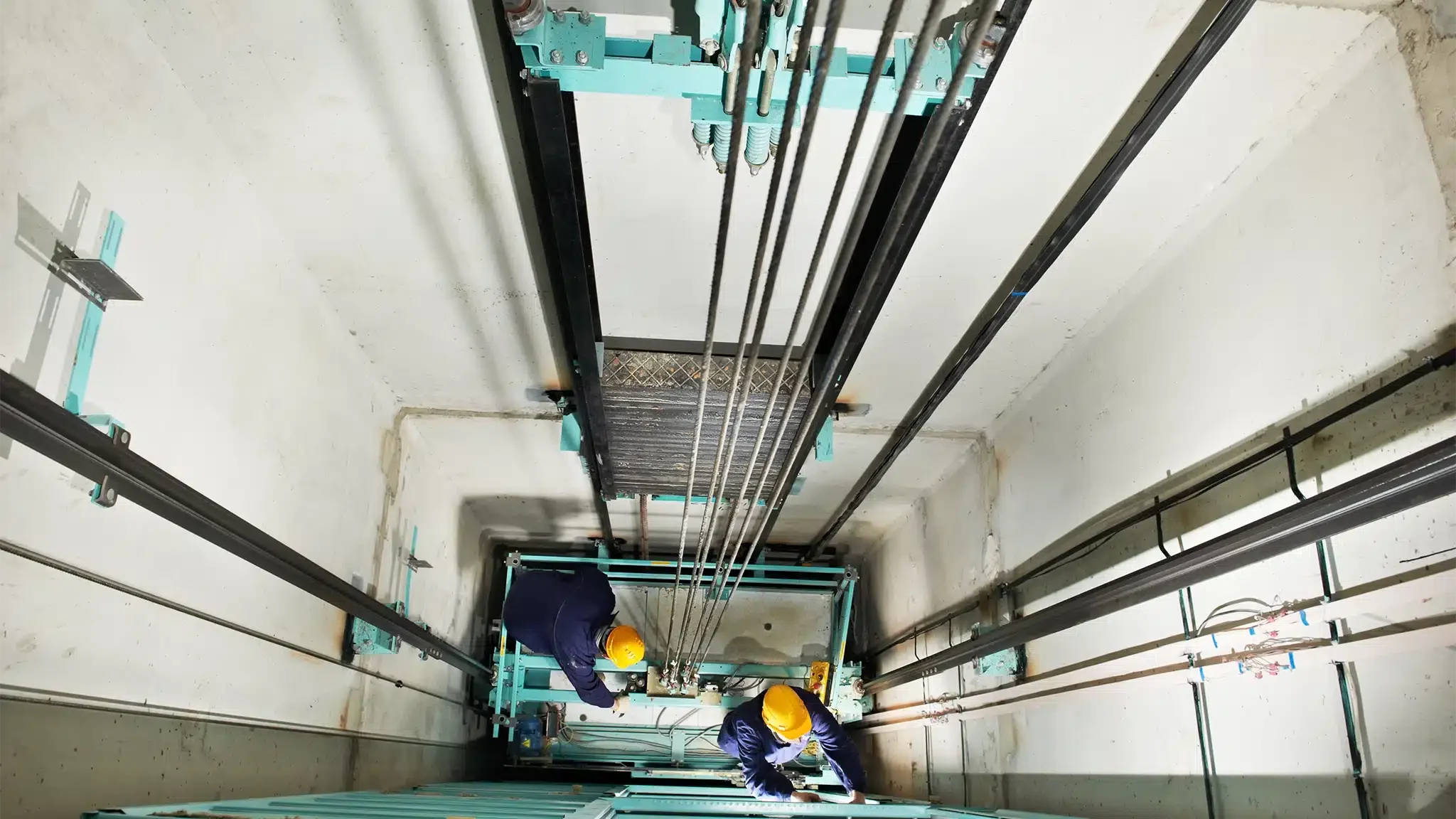
Inside the shaft, heavy structural steel profiles anchor directly to the concrete pit walls to keep the moving parts aligned. These guide rails prevent the car and counterweights from swaying out of position during high-speed vertical travel. Specialized mechanical safety gear acts as a final protection layer against free-fall hazards by locking onto the guide rails if a cable fails. Sourcing high-grade parts helps property developers protect their long-term infrastructure investment.
Why Elevator Component Literacy Matters for Hyderabad Real Estate
The rapid vertical development across commercial hubs like Gachibowli and residential sectors like Kondapur increases the demands on lift infrastructure. High-speed elevators in modern multi-story structures run almost constantly, wearing down brake linings, rope sheaves, and electronic switches. Additionally, the high summer temperatures typical of the Deccan plateau put extra thermal stress on sensitive electrical components in unconditioned machine rooms.
Building managers must ensure their equipment complies with the Telangana Lifts, Escalators and Passenger Conveyors Act and the National Building Code (NBC 2016). Regulatory authorities demand that safety parts like automatic rescue devices (ARD) and overspeed governors meet rigorous local criteria during annual safety checkups. Technical field logs compiled by regional engineering leaders like Exfol Friends Elevators Pvt. Ltd. demonstrate that using components certified by the Bureau of Indian Standards (BIS) significantly lowers system failures caused by power grid instability. Property owners should choose open-protocol parts to keep maintenance flexible and avoid single-vendor lockouts.
How an Elevator System Executes a Safe Transit Cycle
Step 1: Call Registration and Intelligent Logic Processing
The central microprocessor board registers a floor demand from an hall call station button. The controller scans safety parameters, determines car location, and checks if all landing door interlocks are closed.
Step 2: Frequency Regulation and Motor Torque Generation
The variable frequency (VVVF) drive adjusts the incoming electrical frequency to deliver precise torque to the hoisting machine. The electromagnetic brake assembly releases cleanly, allowing the main drive sheave to rotate without friction.
Step 3: Counterbalanced Mechanical Cable Traction
The carbon steel ropes move through the grooved sheave, raising the car while lowering the counterweight. The guide shoes slide smoothly along machined steel rails to maintain absolute cabin alignment.
Step 4: Real-Time Position Monitoring and Deceleration Tracking
Infrared sensors and landing switches track position updates along the vertical hoistway corridor. The control system slowly reduces power frequencies through the inverter drive to bring the moving car to a smooth stop.
Step 5: Leveling Calibration and Safe Door Retraction
The elevator cabin comes to a precise stop within three millimeters of the floor landing zone. The car door operator engages the outer landing lock mechanism, opening both gates to allow passengers to exit safely.
Technical Comparison of Core Lifting Technologies
| Structural Component Type | Standard Operational Mechanism | Ideal Building Profile | Energy Efficiency Index | Primary Wear-and-Tear Focus Areas |
| Geared Traction Drive | Helical worm gear transmission | Mid-rise housing societies | Moderate efficiency | Gearbox oil breakdown, thrust bearings, bronze wheel wear |
| Gearless Synchronous Drive | Permanent magnet motor shaft | High-rise commercial offices | High efficiency | Main sheave groove degradation, brake pad friction plates |
| Hydraulic Piston System | Oil pump fluid compression | Low-rise custom bungalows | Lower efficiency | Hydraulic ram seal leaks, valve cylinder wear, oil degradation |
Geared Traction Drives
Geared traction layouts use a high-speed electric motor connected to a mechanical worm gear transmission to rotate the drive sheave. These systems work well for mid-rise apartment blocks because they handle heavy loads reliably at moderate travel speeds. Maintenance teams must check the gearbox oil levels regularly to prevent internal friction from damaging the bronze gears.
Gearless Synchronous Drives
Gearless configurations mount a permanent magnet synchronous motor directly to the drive sheave without any intermediate gearbox. This direct connection eliminates mechanical power losses, making the system highly energy efficient for high-rise commercial structures. The lack of a gearbox simplifies maintenance, though technicians still need to monitor sheave groove wear and brake pad clearance.
Hydraulic Piston Systems
Hydraulic lifts use an electrically driven pump to force specialized oil into a structural steel cylinder, raising the cabin smoothly from below. This design eliminates the need for an overhead machine room, making it popular for low-rise homes and custom villas. Maintenance routines focus primarily on monitoring valve wear and ensuring the hydraulic ram seals remain fluid-tight.
Crucial Operational Benefits of Premium Component Integration
- Verified Passenger Safety Loops: Certified safety switches disconnect motor power immediately if any shaft component experiences a mechanical fault.
- Lower Building Energy Expenses: Modern regenerative drives feed braking energy back into the building’s electrical grid, reducing power utility bills.
- Easier Regulatory Licensing: Using parts that carry clear certification stamps helps properties pass annual state lift inspections without issues.
- Better Ride Comfort: Precision-machined guide rails and balanced counterweights eliminate cabin vibrations and shaking for a smoother ride.
Mechanical Overspeed Protection: No, an elevator cabin cannot fall freely if its hoisting cables break. A separate mechanical component called the overspeed governor constantly tracks travel velocities; if speed thresholds are breached, it triggers progressive safety wedges that grip the steel guide rails, bringing the cabin to a complete stop within centimeters.
We also see building managers overlook the condition of their automatic rescue device (ARD) batteries to save on short-term costs. When an unexpected power cut hits, degraded backup batteries cannot provide enough power to turn the motor shaft. Sourcing heavy-duty, sealed maintenance-free batteries from reliable suppliers ensures the emergency rescue system functions correctly, preventing passengers from getting trapped during blackouts.

Real-World Engineering Sourcing and Fault Resolution
High-Rise Commercial Drive Upgrade: Hitech City
Our engineering team investigated an office tower lift in Hitech City that was frequently stopping between floors due to an overheating drive system. Diagnostic logs showed the old inverter drive was struggling with the building’s heavy passenger traffic during morning rush hours.
[ Overheated Inverter Drive ] ──► System Fault Trips ──► Mid-Floor Transit Shutdowns
[ Open-Protocol VVVF Drive ] ──► Optimizes Power Current ──► Restores Smooth Operations
We replaced the worn proprietary inverter with a modern, open-protocol variable frequency drive sourced from a certified distributor. Our technicians reprogrammed the acceleration settings and added an active cooling fan to the control cabinet. This component upgrade eliminated the thermal faults and allowed the elevator to run reliably under heavy commercial loads.
Residential Society Safety Governor Retrofit: Secunderabad
An older apartment complex in Secunderabad failed its annual municipal safety inspection because its mechanical safety governor was rusted and slow to engage. The building needed an immediate overhaul to restore its operating license and ensure resident safety.
We removed the rusted governor and installed a certified, precision-balanced overspeed governor along with a fresh steel tracking cable. Our field crew tested the assembly by triggering a mechanical overspeed condition to ensure the safety wedges gripped the guide rails correctly. This repair brought the lift into full compliance with the Telangana Lifts Act and allowed the society to renew its operating certificate.
FAQs: Understanding Essential Elevator Components
1. What does the automatic rescue device component do during a sudden power cut?
The automatic rescue device switches onto backup battery power to release the motor brake, move the cabin to the closest floor, and open the doors automatically.
2. How often do the mechanical main brake liners need adjustment on traction machines?
Our field teams recommend inspecting and adjusting the brake pad clearances every six months to keep stops smooth and precise.
3. Why do worn guide shoes cause the lift cabin to shake while traveling between floors?
Worn guide shoes allow too much space between the car frame and the steel rails, causing the cabin to sway horizontally during travel.
4. Can we replace a single worn hoisting rope, or do we have to replace the entire set?
You must replace all the hoisting cables at the same time to ensure equal tension and prevent uneven wear on the sheave grooves.
5. What role does the buffer component play inside the bottom concrete lift pit?
The buffer acts as a heavy-duty mechanical shock absorber designed to safely cushion and stop the car or counterweight if it travels past the lowest landing.
6. How do infrared light curtains protect passengers as they enter the elevator door?
The light curtain projects a grid of invisible infrared beams across the doorway; blocking any beam signals the door operator to reopen the doors immediately.
7. Why does the electronic controller need an independent voltage stabilizer setup?
A dedicated stabilizer protects sensitive microprocessor chips from voltage spikes and sags in the local power grid, avoiding system damage.
8. What happens if the counterweight frame mass does not match the weight of the cabin?
An unbalanced system puts extra strain on the motor, increases power consumption, and leads to premature wear on the drive components.

Secure Your Vertical Transit Assets with Expert Engineering Support
Maintaining a safe and efficient elevator system requires a practical understanding of its core components and how they interact. While basic operational upkeep prevents simple issues, critical electrical or structural faults require expert diagnosis from certified field professionals. Using high-quality, open-protocol replacement parts helps property owners lower long-term repair costs and keep their buildings fully compliant with state safety standards.
Working with experienced local specialists allows building managers to design reliable maintenance programs and source dependable components. For professional parts inspections, certified safety audits, or full system upgrades across Telangana, consider reaching out to the engineering team at Exfol Friends Elevators Pvt. Ltd. Property developers, facility managers, and housing society committees can contact the technical division at Exfol Friends Elevators Pvt. Ltd., Hyderabad, Telangana through Exfol Friends Elevators to schedule an on-site system inspection or code-compliance audit today.

Leave a Comment