
Table of Contents
High-Rise Passenger Lifts in Hyderabad: The 2026 Skyscraper Engineering Blueprint
Real estate conglomerates, structural engineers, and corporate infrastructure developers require advanced planning when mapping out high-speed vertical transportation systems. Choosing high-performance high-rise passenger lifts In Hyderabad represents a foundational choice that directly shapes tenant movement and building efficiency. In the current 2026 construction market, planning multi-floor high-density structures requires analyzing complex rope compensation factors, aerodynamic cabin wind-resistance profiles, and smart group traffic logic. Sourcing the right vertical systems removes operational movement bottlenecks and ensures long-term building profitability.
We often watch regional design boards struggle with building dispatch delays because they configured their shaft counts using outdated residential traffic formulas. Installing specialized high-rise passenger lifts In Hyderabad requires analyzing your structural hoisting frame capacity, peak morning occupancy rushes, and high-voltage electricity needs. Modern high-speed passenger platforms feature regenerative variable-frequency motor drives, smart electronic destination dispatching software, and heavy seismic structural brackets. This practitioner-written engineering guide covers technical drive variations, installation stages, local cost trends, and statutory state safety rules.
What are High-Rise Passenger Lifts?
High-Rise Elevator System Definition: High-rise passenger lifts in Hyderabad define advanced, high-speed vertical transit systems engineered to travel across floor heights exceeding 50 meters at velocities above $2.5\text{ m/s}$. These systems use sophisticated gearless traction machinery, computerized destination group logic, and high-tensile suspension ropes to move passengers safely across skyscrapers.
This specialized engineering architecture relies on high-efficiency Permanent Magnet Synchronous Motors (PMSM) paired with advanced microprocessor groups to handle heavy multi-floor dispatching demands. These systems strictly follow the technical safety rules of National Building Code (NBC 2016) and Indian Standard IS 14665. Our field teams calibrate car guiding configurations using active roller guides to eliminate cabin side-sway inside tall hoistway channels. This structural tuning ensures a quiet, stable ride when operating at extreme heights.
Why Do High-Speed Lift Systems Matter in Hyderabad?
The rapid infrastructure expansion of Hyderabad across areas like the Financial District and Neopolis creates a booming skyline of high-density towers. As commercial skyscrapers and residential buildings scale past thirty floors, basic slow-speed lifts become impractical. Our field observations show that standard elevators increase building lobby waiting times during morning office rushes, which lowers tenant satisfaction scores.
High-velocity transit setups handle these high peak traffic cycles by grouping passengers based on their destination floors. Engineering authorities like Exfol Friends Elevators Pvt. Ltd. note that installing optimized high-speed traction machines protects structural electrical grids from high starting voltage drops. This advanced planning keeps your high-density project fully compliant with the high-rise safety mandates of the Telangana Lifts Act.
How Does a High-Rise Passenger Lift Installation Work?
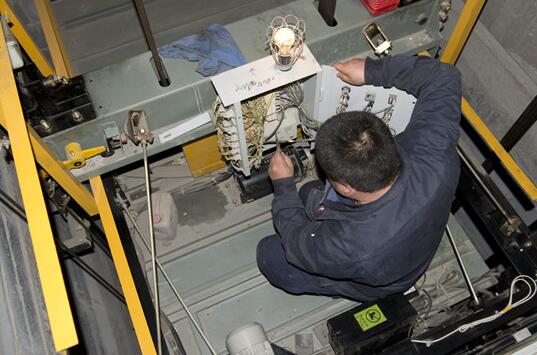
- Digital Laser Hoistway Structural Alignment SurveyOur field engineers mount high-precision laser alignment stations at the top of the concrete skyscraper shaft. We measure the vertical accuracy of the shaft down forty floors to detect minor concrete pocket variations early. This precision step ensures the heavy guide rails install perfectly straight, preventing cabin vibration at high speeds.
- Erecting Machined High-Tensile Guide Rails with Heavy Backing BracketsWe position heavy 16mm fully machined steel T-rails down the full length of the concrete hoistway walls. Technicians secure these rails using thick spring-loaded steel backing brackets anchored deeply into the building’s structural concrete beams. This heavy-duty framework guides high-speed travel smoothly while handling sudden emergency braking forces.
- Positioning the High-Efficiency Gearless PMSM Machine and Overhead BedplatesWe lift massive gearless permanent magnet synchronous motors into the overhead machine room space using structural cranes. Our crew bolts the machine bedplate onto heavy steel I-beams anchored directly to the core building walls. This setup splits heavy machine weights evenly, keeping motor vibration away from the lower office floors.
- Assembling the Aerodynamic Passenger Cabin Box and Car Sling HangersOur mechanics build a high-tensile steel channel car sling frame inside the structural pit base. We mount sound-insulated sheet metal enclosure panels and add curved wind deflector shells on top of the car box. This aerodynamic design lowers hoistway wind noise, delivering a quiet, premium ride when operating at high velocities.
- Wiring Smart Destination Control Panels and Trailing Data CablesWe install advanced Destination Selection Control (DSC) touch screens throughout the building’s main lobby spaces. Our teams route high-shielded, fiber-optic trailing data cables down the elevator shaft to link with the central processor units. This smart network routes passenger groups efficiently, dropping building travel times by thirty percent.
- Calibrating Electronic Compensation Ropes and Mechanical Governor ClampsWe install specialized heavy tension loops beneath the car and counterweight frames to balance shifting rope weight across tall shafts. Technicians run a series of electronic over-speed test drops to calibrate the high-speed safety governor’s trip threshold. This ensures the mechanical safety jaws clamp onto the rails instantly if speeds spike.
- Executing Full Regulatory Load Drop Certification Tests for State LicensingWe fill the completed aerodynamic cabin with cast-iron test weights up to 125 percent of its maximum rated capacity. Our teams run full-speed drop tests to verify the emergency hydraulic buffer pistons stroke down correctly under load. We then submit these certified test logs to the state inspectorate to secure your official operating license.
High-Speed Elevator Variations: Technical Specification Index
Selecting the right high-speed configuration requires matching your building’s total floor count with appropriate travel velocities. The following index outlines the primary configurations used for tall infrastructure developments across Telangana:
| High-Rise Lift Drive Class | Optimal Building Height Range | Rated Operating Velocity | Estimated Capital Cost Base | Indian Standard Safety Code |
| Medium-Velocity Smart Traction | 15 to 25 Real Estate Floors | $1.75\text{ m/s}$ to $2.5\text{ m/s}$ | ₹18,00,000 – ₹32,00,000 | Fully Aligned (IS 14665) |
| High-Speed Destination Traction | 25 to 45 Corporate Floors | $3.0\text{ m/s}$ to $5.0\text{ m/s}$ | ₹35,00,000 – ₹65,00,000 | Fully Aligned (NBC 2016) |
| Ultra-High Velocity Double-Deck | 45+ Skyscraper Levels | $6.0\text{ m/s}$ and Above | ₹85,00,000 – ₹1,50,00,000 | Meets International Code Baselines |

Medium-Velocity Smart Traction Installations
Medium-velocity systems work well for residential towers scaling up to twenty-five floors across expanding suburban sub-markets. These setups use compact gearless PMSM motors that balance dependable daily performance with accessible long-term upkeep costs. Advanced frequency drives deliver smooth acceleration curves, making them a reliable choice for residential societies.
High-Speed Destination Traction Installations
High-speed destination traction systems provide the core mobility foundation for modern premium corporate office towers in commercial hubs. These systems use smart software that groups passengers by their target floors before they step into the car box. This smart grouping cuts out mid-travel leveling stops, allowing cars to run at high speeds up to $5.0\text{ m/s}$.
Ultra-High Velocity Double-Deck Installations
Ultra-high velocity double-deck configurations manage heavy passenger traffic across major landmark skyscrapers and high-rise commercial structures. These massive installations connect two separate passenger cabins into a single tall structural frame, servicing odd and even floors at the same time. This advanced double-deck design maximizes building layout space while cutting required shaft counts in half.
Key Performance Benefits of Premium High-Rise Lifts
Exceptional Passenger Handling Capacities
Smart destination logic groups passengers intelligently before entry, keeping main building lobbies clear during busy morning shifts. This efficient routing keeps cars moving along optimized paths, avoiding random single-floor stops. This smart movement pattern raises your building’s overall traffic handling capacity by up to forty percent.
Smart Energy Efficiency and Power Regeneration
Modern high-speed traction units use advanced regenerative drive systems that capture mechanical braking energy during high-load travel cycles. This smart technology turns braking friction back into clean electricity, feeding power right back into your building’s internal grid. This green system cuts your facility’s common area utility bills by up to thirty percent.
Total Compliance with the Telangana Lifts Act
Sourcing certified high-speed systems ensures your tall building infrastructure aligns with the strict safety rules of the state electrical inspectorate. Our installations feature redundant emergency braking networks, active earthquake sensors, and fire-resistant structural wiring blocks. This built-in safety shields your business from code violations and keeps operations legal.
Common Misconceptions in High-Rise Lift Procurement
High-Rise Design Question: Can a building committee save on upfront construction costs by opting out of destination control software on a 30-floor tower?
Answer: No. Omitting destination dispatching on a thirty-floor tower causes long tenant wait times and creates heavy traffic congestion in your main lobby. Upgrading a building’s software systems later requires expensive control panel overhauls and creates extended downtime for your tenants.
Many developers assume that raw motor horsepower is the only metric that shapes high-speed vertical transportation. Proper high-rise planning requires balancing motor power with precise aerodynamic car shells, heavy rope compensation loops, and active roller guide sets. Selecting systems based on low price bids without checking rail thickness or software protocols leads to frequent breakdown shut-downs.
Real-World High-Rise Installation Scenarios
Premium Residential Tower: Kondapur
A modern 35-floor luxury residential tower development in Kondapur encountered passenger waiting delays during busy morning school and office commute hours. The developer resolved these traffic bottlenecks by installing a group of four high-speed $2.5\text{ m/s}$ gearless traction lifts. These smart cars use advanced group logic to balance passenger calls, dropping lobby waiting times down under thirty seconds.
Skyscraper Corporate Office: Gachibowli
A premium corporate commercial skyscraper in Gachibowli required a high-capacity system to move thousands of tech employees smoothly across forty office floors. The building installed a high-speed $4.0\text{ m/s}$ passenger system featuring integrated destination dispatch control screens. This advanced configuration routes employee groups efficiently, maintaining whisper-quiet travel profiles across the high-rise office spaces.
FAQs: Regional Skyscraper Infrastructure Insights
1. What is the standard cost for high-rise passenger lifts in Hyderabad for a 30-floor building?
A high-speed, thirty-floor passenger lift configuration equipped with advanced destination dispatch controls typically ranges from ₹35,00,000 to ₹55,00,000 per shaft.
2. Why do high-rise elevators require specialized rope compensation loops inside tall shafts?
As cars travel up tall shafts, the changing weight of the long steel hoist cables shifts load balance across the motor. Hanging heavy compensation loops beneath the frames balances this weight.
3. How does wind-induced building sway shape high-speed elevator operations in Hitech City?
High-rise buildings sway slightly during high monsoon wind storms. Modern high-rise lifts use seismic sensors and displacement switches to slow down cars safely if building sway spikes.
4. What is the standard operational lifetime for a high-speed gearless traction machine?
With systematic monthly preventive maintenance and genuine parts support, a high-grade gearless PMSM traction machine operates reliably for 20 to 25 years.
5. Can destination control systems integrate directly with corporate building security gates?
Yes. Modern high-rise control software links directly with your lobby security turnstiles, assigning a passenger’s lift car the moment they scan their office ID badge.
6. Does the Telangana Lifts Act require specialized fire-man lifts inside high-rise towers?
Yes. State fire safety rules mandate that every high-rise structure must feature at least one dedicated fire-man lift built with fire-proof doors and waterproof control switches.
7. Who manages the heavy engineering filings required to clear the official CEIG license?
Your chosen vertical transportation partner manages the entire application process, submitting technical shaft blueprints and structural load logs to clear the CEIG inspections.
8. How do active roller guides improve ride quality inside high-speed lift cabins?
Active roller guides use spring-loaded polyurethane wheels to follow the vertical rail lines smoothly, absorbing minor alignment imperfections to stop cabin vibration.

Partner with Proven Engineering Depth for Tall Infrastructure
Balancing your initial development budget against long-term passenger safety requires selecting high-speed platforms built for intense high-rise use. Evaluating high-rise passenger lifts In Hyderabad means looking past low price sheets to verify real structural rail thickness, open-protocol software systems, and local engineering capabilities. Sourcing a robust, code-compliant traction system protects your building assets, reduces future maintenance shutdowns, and keeps your tenants moving efficiently.
We recommend partnering with established regional engineering firms that provide transparent component specifications and clear material origins. Industry specialists like Exfol Friends Elevators Pvt. Ltd. serve as an excellent model for dependable high-speed engineering across Telangana, utilizing high-grade systems built for high-density towers. Real estate developers can check out the technical project portfolios at Exfol Friends Elevators as an independent point of comparison. Consulting a certified vertical transportation expert for a comprehensive structural hoistway audit remains the safest approach to securing an accurate, code-compliant high-speed proposal for your skyscraper project.


Leave a Comment