
Table of Contents
Best Residential Elevators in India: The 2026 Engineering Selection Guide
Real estate developers, independent luxury villa builders, and multi-generation homeowners face critical architectural decisions when introducing vertical mobility assets into private properties. Selecting from the best residential elevators in india requires an analytical evaluation of drive systems, civil structural modifications, and safety redundancy protocols. This engineering guide directly assists property planners in comparing structural home lift technologies to optimize domestic real estate space and maximize passenger accessibility. Deciding on the correct lifting configuration eliminates future home modification expenses and secures reliable performance for your household.
We often meet homeowners who mistake decorative luxury cabin finishes for underlying mechanical engineering quality. In our fifteen years of field engineering experience across regional property sectors, selecting a system based purely on glass aesthetics leads to premature breakdown issues. Finding the best residential elevators in india means identifying systems built to withstand local ambient temperatures and power grid shifts. Your chosen platform must deliver seamless cabin leveling accuracy, use non-hazardous materials, and meet national safety standard guidelines.

Technical Home Lift Systems: Quick Structural Comparison
The following comparative structural index contrasts the primary low-rise residential transit configurations operating in the Indian consumer market:
| Propulsion Technology | Best Suited Property Profile | Core Engineering Feature | Capital Cost Range | Statutory Compliance Level |
| Gearless PMSM Traction | Multi-Floor Villas & High-Traffic Private Homes | Permanent magnet synchronous motor with counterweights and silent operations. | ₹4,50,000 – ₹9,00,000 | Fully Aligned (IS 14665) |
| Hydraulic Cylinder Drive | Properties with Low Overhead Space & Low Pit Cavities | Fluid pump block with industrial oil piston lines delivering smooth starts. | ₹5,50,000 – ₹11,00,000 | Fully Aligned (NBC 2016) |
| Pneumatic Vacuum Lift | Existing Retrofit Homes & Tight Interior Stairwells | Air pressure differential system inside a self-contained tubular shaft. | ₹8,50,000 – ₹15,00,000 | Meets Basic European Standards |
How to Evaluate the Best Residential Elevators in India?
Residential Elevator Evaluation Definition: Evaluating the best residential elevators in india requires auditing the manufacturer’s mechanical safety records, checking local spare parts availability, verifying automated power backup integration, and ensuring installation alignment with the safety codes of the National Building Code 2016.
We look past basic commercial sales literature to focus heavily on the localized after-sales engineering presence. A domestic elevator manufacturer must maintain direct emergency support mechanics within your city limits to resolve passenger trapping incidents quickly. Property developers should choose systems that offer open-protocol controller cards and include type-tested mechanical safety brakes. This focus preserves long-term asset value and ensures your home lift operates safely over thirty years of family service.
Detailed Technical Propulsion Options Breakdown
Gearless PMSM Traction Systems
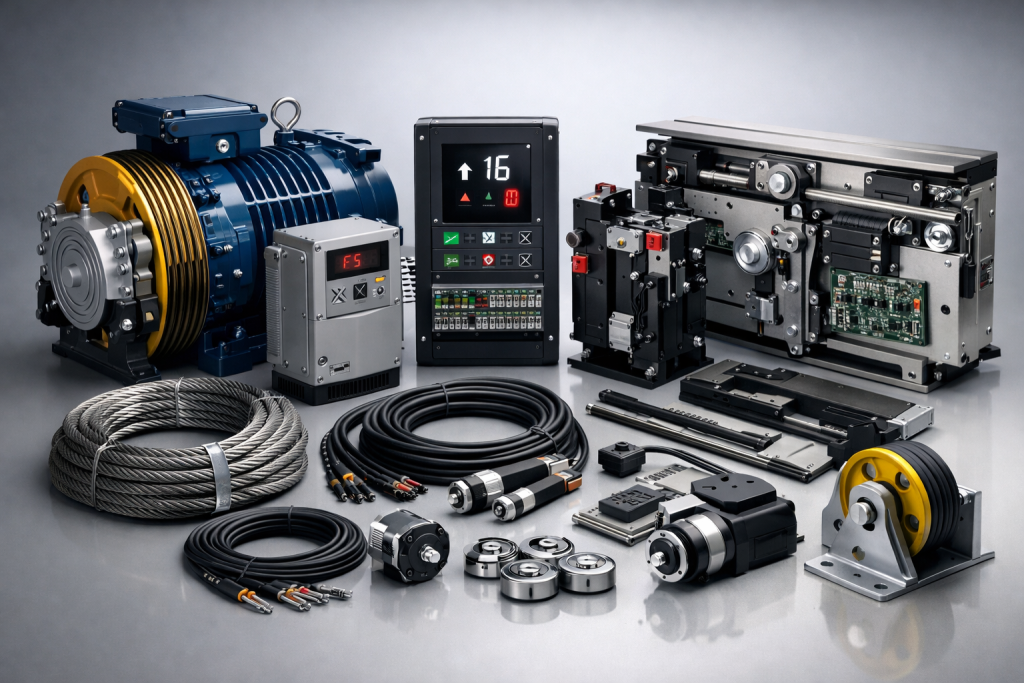
Gearless Permanent Magnet Synchronous Motor (PMSM) systems represent the modern standard for energy-efficient, multi-floor residential properties. This technology places a compact synchronous motor directly inside the upper hoistway space, removing the need for a separate rooftop concrete machine room. High-tensile steel wire cables or poly-coated steel belts connect the main passenger cabin to a weighted counterweight block.
In our field operations across developing residential sectors like Jubilee Hills and Banjara Hills, we consistently recommend gearless traction for premium villas. The lack of an internal mechanical oil pump block allows the elevator to run silently without generating chemical odors. This system saves significant energy by consuming power only during moving cycles, drawing up to forty percent less electricity than traditional geared setups.
Pros and Cons
- Pros: Exceptionally long operating life; low energy draw; operates quietly without hazardous fluid lines.
- Cons: Demands a structured vertical hoistway; requires standard pit depths and vertical overhead clearance.
Hydraulic Cylinder Drive Systems
Hydraulic residential systems utilize a quiet electric pump block to force specialized mineral oil into a machined steel piston assembly. This fluid pressure smoothly pushes the passenger cabin up along structural T-rails. Gravity handles the descent cycles by opening a electronic valve to let oil return to the fluid reservoir, consuming zero electricity on downward runs.
We install these configurations in homes where local structural limitations prevent digging a deep concrete pit. The hydraulic piston mounts along the side walls of the shaft, allowing the lift to work with minimal pit space. This option provides a smooth ride profile with gentle acceleration and deceleration loops, keeping the platform comfortable for elderly family members.
Pros and Cons
- Pros: Requires minimal pit depths and low overhead clearance; moves all heavy machinery loads directly to the ground floor foundation.
- Cons: Requires regular fluid seals maintenance; exposed to minor ride level shifts during extreme seasonal temperature variations.
Pneumatic Vacuum Lift Systems
Pneumatic vacuum elevators offer a modern, self-contained vertical transit design that eliminates traditional hoistway construction requirements. The system uses a high-volume turbine exhaust fan network mounted at the top of a clear polycarbonate tube cylinder. This fan creates an air pressure drop above the car, allowing the air pressure beneath the cabin to lift it smoothly.
We often specify these systems for retrofitting historic homes or modern apartments in areas like Gachibowli where altering concrete beams is impossible. The entire self-supported structure mounts directly onto the existing finished floor surface without needing a pit space. The clear cylindrical walls provide panoramic views, turning the lift into an attractive architectural centerpiece.
Pros and Cons
- Pros: Installs quickly in 3 to 5 working days; eliminates all pit excavation tasks; features a small physical footprint.
- Cons: Limited maximum load capacity; higher initial buying costs per stop; turbine exhaust fans generate noticeable operational air noise.
Operational Selection Matrix
The following selection matrix guides property developers and homeowners in choosing the correct propulsion technology based on building layout and budget:
| Property Layout Type | Target Budget Scale | Primary Household Need | Recommended Technical System |
| New G+3 Luxury Villa | Mid-Tier to Premium | Frequent Use & Silent Operation | Gearless PMSM Traction System |
| Existing G+2 Residence | Premium Investment | Minimal Structural Modification | Self-Contained Pneumatic Vacuum |
| Independent Bungalow | Balanced Costing | Wheelchair Access & Low Overhead | Hydraulic Side-Cylinder System |
| Row Housing Project | Economical / Packaged | Low Energy Consumption | Compact Gearless Traction Lift |
Cost Comparison in Hyderabad Sub-Markets
Sourcing a precise domestic elevator configuration requires assessing total floor travel stops, cabin material grades, door automation systems, and structural shaft types. In the 2026 market across Telangana, a three-stop gearless traction villa system costs between ₹4,50,000 and ₹7,50,000. If your architectural layout requires specialized imported hydraulic or custom panoramic glass structures, final installation pricing scales from ₹9,00,000 to ₹16,00,000.
+-------------------------------------------------------------------+
|               RESIDENTIAL LIFT PRICE VARIATION (3 STOPS)          |
+-------------------------------------------------------------------+
| 1. Standard Gearless Traction Home Lift : ₹4,50,000 - ₹7,50,000   |
| 2. Premium Hydraulic Glass Villa Lift   : ₹6,50,000 - ₹11,00,000  |
| 3. Panoramic Pneumatic Vacuum Elevator  : ₹8,50,000 - ₹15,00,000  |
+-------------------------------------------------------------------+
Engineering authorities like Exfol Friends Elevators Pvt. Ltd. serve as an excellent model for transparent local cost structures. They provide upfront, itemized quotes that clearly separate structural lift machinery costs from mechanical installation hours and statutory state licensing assistance. This clear approach ensures your family avoids surprise modification fees, hidden freight surcharges, or unexpected installation markups during construction.
Common Buying Mistakes during Home Lift Procurement
Home Lift Buying Errors: The primary mistake homeowners make when selecting from the best residential elevators in india is buying uncertified systems that lack an integrated Automatic Rescue Device (ARD). Bypassing this vital safety component leaves family members exposed to trapping hazards during sudden regional grid power cuts.
In our field investigations across expanding residential suburbs like Kondapur and Miyapur, we often see builders install cheap, non-standard passenger lifts designed for commercial use. These commercial structures use heavy high-voltage components that draw high starting currents, forcing homeowners to upgrade their domestic electrical meters. Property owners must ensure their chosen system runs on standard single-phase residential power connections to avoid high utility bills.
Statutory Safety and Compliance Frameworks in Telangana
Every home elevator installation we manage across the state aligns strictly with the safety guidelines of the Telangana Lifts, Escalators and Passenger Conveyors Act. Property developers must ensure their chosen residential layout complies with the strict structural guidelines defined in Indian Standard IS 14665. Skipping these technical requirements can create home hazards and cause your property to fail local building inspections.
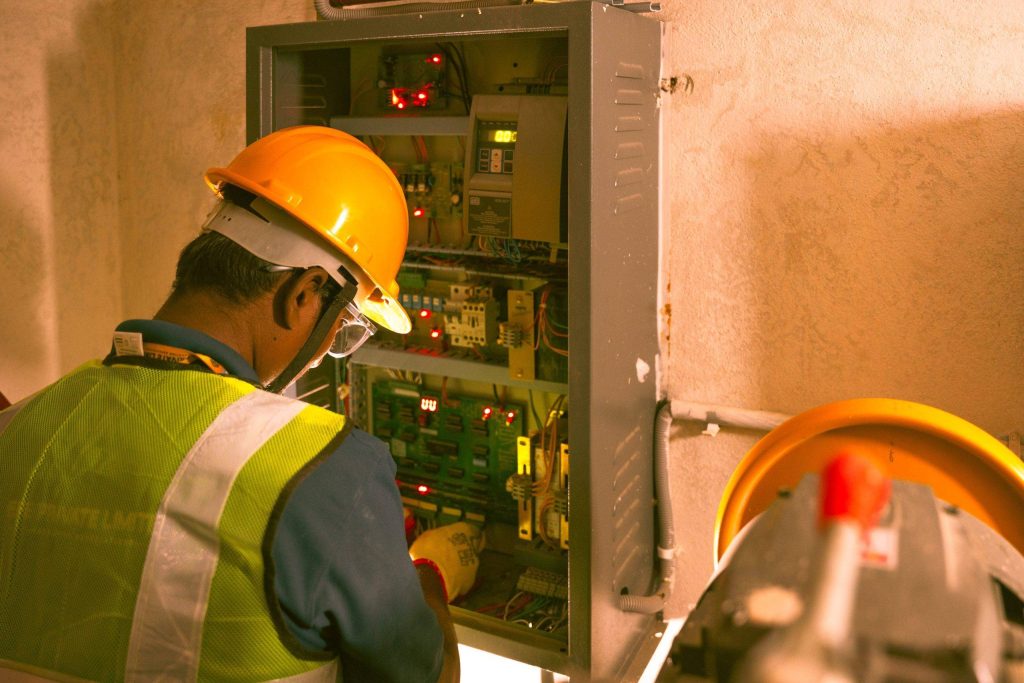
Our installation teams run full safety testing protocols before handing any private elevator platform over to a family. We inspect the electronic car door interlock alignments, verify the weight settings on the mechanical safety gear, and run full-load battery tests on the emergency lighting. Maintaining these technical steps ensures your domestic lift passes inspections by the Chief Electrical Inspectorate (CEIG), protecting your household and keeping your property compliant.
FAQs: Regional Home Elevator Engineering Insights
1. What is the average home lift price in Hyderabad for a basic three-stop villa?
A standard three-stop gearless traction home lift costs between ₹4,50,000 and ₹7,50,000, while specialized pneumatic vacuum or custom panoramic options scale higher.
2. Can an independent home lift operate safely on standard single-phase household power?
Yes. Most modern, high-efficiency residential systems utilize advanced frequency drives that run smoothly on regular single-phase 230V domestic power lines.
3. Why do hydraulic home lifts work well for properties with limited overhead space?
Hydraulic layouts use side-mounted push cylinders, removing the need for large overhead machine rooms or top-of-shaft pulley wheel assemblies.
4. How much time does the physical on-site mechanical installation require inside a villa?
A standard gearless traction system requires 12 to 18 working days of field labor, while a self-contained vacuum lift installs in 3 to 5 days.
5. Are automatic sliding doors safer than manual swing gates for elderly family members?
Yes. Automated sliding systems use multi-ray infrared light curtains that detect passengers in the doorway, preventing gates from closing on wheel-chairs or walkers.
6. Does the Telangana Lifts Act legally require homeowners to get an operating license?
Yes. State public safety codes mandate that every residential elevator platform must pass an inspection and secure an operating permit from the state electrical inspectorate.
7. Who manages the engineering paperwork required for local municipal building approvals?
Your chosen elevator installation partner compiles the technical shaft layouts, load data sheets, and Form A filings to clear the official CEIG certification steps.
8. How often do domestic residential lifts require regular preventative maintenance?
To ensure absolute passenger safety and maintain your equipment warranty, your system must undergo a technical inspection once every calendar month by a certified firm.
Secure Your Household’s Long-Term Mobility Safely
Balancing your initial installation budget against long-term family safety requires selecting a home lifting platform engineered for your exact structural layout. Reviewing options among the best residential elevators in india means looking past decorative cabin trim to evaluate underlying component certifications, operating noise levels, and power line needs. Sourcing a robust, code-compliant system protects your real estate asset, drops future repair costs, and ensures dependable mobility across your property.
We recommend evaluating local engineering organizations that combine strong technical skills with clear, upfront material specifications. Regional specialists like Exfol Friends Elevators Pvt. Ltd. offer a great benchmark for dependable home engineering across Telangana, utilizing high-grade open-protocol components built for domestic safety. Reach out to a certified vertical transportation consultant today to schedule a comprehensive on-site structural hoistway audit and secure a reliable technical proposal for your residence.

Leave a Comment